
Flowers
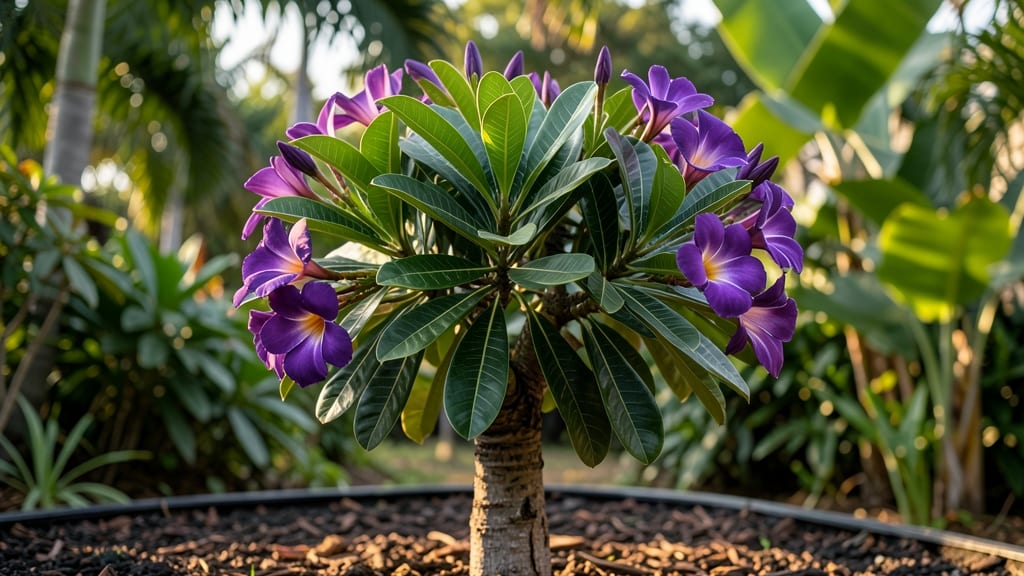
The purple plumeria flower 🌺 is a tropical showstopper that turns heads with its velvety blooms and intoxicating fragrance—if you know how to coax it into continuous growth.
Imagine a tropical paradise where vibrant purple plumeria flowers bloom nonstop, filling the air with sweet perfume. This isn’t just a dream; it’s what you’ll achieve with the right care, especially in USDA zones 10-12 where these beauties thrive year-round.
Unlike their white or pink cousins, rare purple varieties like 'Royal Purple' and 'Lavender Lady' demand specific conditions—think full sun, well-draining soil, and strategic pruning—to keep those dramatic blooms coming.
In this guide, I’ll walk you through everything from propagation to pest control, so you can grow a plumeria that’s as stunning as it is hardy—and yes, it’s easier than you think!
Top 5 rare purple plumeria varieties that bloom year-round
If you dream of a garden bursting with vibrant purple plumeria flowers that bloom continuously, you’re in luck! These rare varieties aren’t just stunning—they’re designed to thrive year-round in the right conditions.
Unlike common white or pink plumerias, these deep purple cultivars stand out with their rich hues and lush foliage, making them a prized addition to any tropical collection.
The secret to their non-stop blooming lies in their genetics and care requirements. These varieties are bred to be drought-tolerant, sun-loving powerhouses that reward gardeners with flowers from spring through winter.
Whether you’re a seasoned grower or a beginner, these five rare purple plumerias will transform your space into a fragrant paradise.
Royal Purple is the star of the show, with its deep magenta blooms and glossy leaves. Next up is Lavender Lady, a softer purple with delicate petals that cascade beautifully. Don’t overlook Black Dragon, which boasts near-black flowers with a striking contrast. Each variety has unique care needs, but all share one thing: they love full sun and well-draining soil.
For Royal Purple, the key to continuous blooms is regular pruning after each flush of flowers. This encourages new growth and prevents the plant from becoming leggy. I’ve found that trimming back one-third of the stems in late winter gives my plant a fresh start and keeps it compact.
The result? A bushier plant with more vibrant blooms throughout the year.
Lavender Lady is a favorite for gardeners who love delicate hues. Her soft lavender blooms release a sweet fragrance that lingers in the air. To keep her blooming, I feed her with a balanced fertilizer every 4-6 weeks during the growing season. Avoid over-fertilizing, as this can lead to fewer flowers and more foliage. A light hand with the fertilizer ensures longer-lasting blooms.
The Black Dragon plumeria is a showstopper with its near-black flowers that seem to absorb the sunlight. This variety thrives in full sun and heat, making it perfect for tropical climates.
If you live in a cooler zone, growing it in a large container allows you to move it indoors during winter. The secret to her year-round blooms is consistent care—never let the soil dry out completely, but avoid soggy roots at all costs.
Purple Majesty is a stunning hybrid that combines the best traits of multiple plumeria varieties. Her deep purple blooms are large and fragrant, making her a centerpiece in any garden. To encourage continuous blooming, I’ve learned to avoid heavy pruning unless necessary. Instead, I focus on well-draining soil and regular watering. This variety is forgiving but rewards attentive care with prolonged flowering.
Lastly, Midnight Kiss is a newer variety that’s gaining popularity for its deep violet blooms and compact size. She’s perfect for smaller gardens or containers. The trick to keeping her blooming is light pruning throughout the year.
I trim just the spent flowers and any leggy stems to maintain her shape. This variety is also drought-tolerant once established, making her low-maintenance
How to grow purple plumeria flowers for non-stop blooms
Growing purple plumeria flowers 🌺 for continuous blooms starts with understanding their tropical roots. These stunning varieties, like 'Royal Purple' or 'Lavender Lady', need specific care to reward you with year-round fragrance and color.
The key? Mimicking their native subtropical environment—think bright sunlight, well-draining soil, and consistent moisture without soggy roots.
Unlike their white or pink relatives, purple plumeria varieties often demand extra attention to pruning and nutrient balance to keep blooms abundant. I’ve learned that strategic pruning after each flowering cycle triggers new growth, while balanced fertilization ensures vibrant blooms.
Let’s break it down into simple, actionable steps so your plumeria becomes the star of your garden—or patio!
Step-by-Step Guide to Purple Plumeria Care
-
Step 1: Choose the Right Location
Plant in full sun (6+ hours daily)—purple plumeria thrives in direct sunlight for vibrant blooms. South-facing windows or outdoor spots work best. Partial shade reduces flowering. -
Step 2: Prepare Well-Draining Soil
Mix cactus/succulent mix with perlite or orchid bark (ratio 2:1). Avoid heavy clay—root rot is the #1 killer. For containers, ensure drainage holes! -
Step 3: Water Deeply but Infrequently
Water only when top 2 inches are dry. In summer, water every 5-7 days; in winter, reduce to monthly. Always water at soil level, not leaves, to prevent fungal issues. -
Step 4: Fertilize for Continuous Blooms
Use balanced fertilizer (6-6-6 or 8-3-9) every 4-6 weeks during growing season (spring-fall). Avoid high nitrogen—it promotes leaves over flowers. Light feeding in summer maintains blooms. -
Step 5: Prune Strategically
After blooms fade, trim 1/3 of the stem just above a leaf node. This encourages new growth and more flowers. Remove dead or leggy branches in late winter to shape the plant. -
Step 6: Protect from Pests & Cold
Watch for mealybugs or scale—wipe with rubbing alcohol. In zones below 10, bring containers indoors before 50°F temps. Purple plumeria cannot tolerate frost!
One of my biggest lessons? Purple plumeria varieties respond dramatically to pruning. After each flush of blooms, I cut back the stems to encourage denser growth and more flowers.
It’s like giving your plant a haircut—less maintenance, more rewards! Also, mulching around the base helps retain moisture and keeps roots cool in hot climates.
For container gardening, choose pots with drainage holes and repot every 2-3 years to refresh the soil. Purple plumeria in containers are perfect for patios or balconies—just move them to bright, sheltered spots when temperatures drop.
With these steps, your plumeria will bloom nonstop and fill your space with tropical elegance!
Remember, patience is key—purple plumeria may take 1-2 years to mature and bloom heavily, but the wait is worth it for those velvety purple blooms that smell like heaven. Happy growing! 🌿