
Flowers
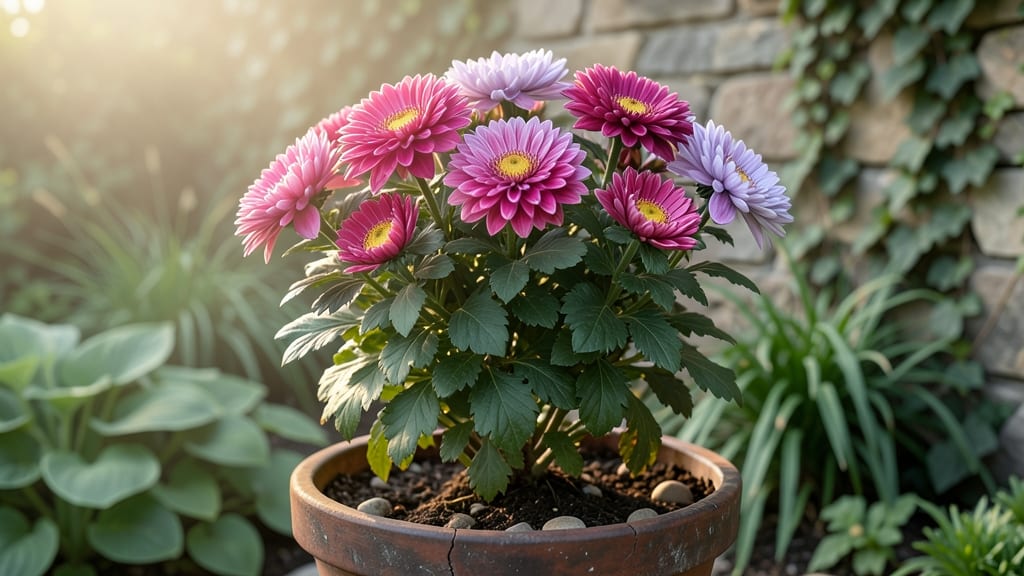
Mums flowers bloom in late summer through fall 🌼 — the exact timing depends on your USDA zone and variety, but most gardeners count on vibrant color from September through October.
Nothing brightens fall gardens like mums—but timing their bloom depends entirely on your USDA zone. Get the exact months for your location to plan a showstopping seasonal display.
In Zone 6, where most gardeners live, you can expect blooms starting around mid-September and lasting until the first frost, while warmer zones like Zone 8 may see flowers as early as August.
With the right care—like proper sunlight, watering, and pruning—you can extend that bloom time by weeks, keeping your garden colorful well into October. Here’s how to time it right for your zone.
When do mums bloom by USDA zone? Exact months for peak color
Timing your mum blooms perfectly means knowing your USDA zone and choosing the right variety. These hardy flowers thrive in cool weather, but their bloom windows shift dramatically from Zone 3 to Zone 11.
Whether you're in a cold northern climate or a mild southern region, understanding these patterns ensures your garden bursts with color at the perfect moment.
Most gardeners plant mums in late summer for fall blooms, but the exact timing depends on frost dates and your zone. Early-season varieties may bloom as early as August, while late-season types can shine until November.
Let's break down the precise bloom windows so you can plan your seasonal displays with confidence.
🌼 Pro Tip: Mums planted in containers can bloom 2-4 weeks earlier than in-ground varieties due to better temperature control.
In Zones 3-4, where winters are harsh, mums typically bloom from late August through mid-October. The short growing season means gardeners must plant early varieties in June or use container-grown plants to extend the display.
These northern zones often experience early frosts, so late-season varieties like 'Autumn Joy' may only reach full bloom for a few weeks.
Gardeners in Zones 5-6 enjoy the classic mum bloom window from mid-August to late October. This range aligns perfectly with traditional fall festivals and holiday decorations.
The cooler nights help preserve bloom quality longer than in warmer zones. For extended displays, consider hardy varieties like 'Pembury Pink' that tolerate light frosts.
Southern zones (7-10) experience longer bloom seasons due to milder winters. In Zones 7-8, mums can bloom from early August through early November, while Zones 9-10 may see blooms extend into December or even January with proper care.
Heat-tolerant varieties like 'Medallion' perform best in these regions, often reblooming after pruning.
Zone 11 gardeners have the longest mum season, with blooms potentially spanning from June to January. Tropical varieties like 'Dynasity' thrive year-round in these conditions. However, even in warm climates, mums benefit from afternoon shade during peak summer months to prevent bud drop.
🌡️ Climate Impact: Humid areas (like Zones 7-9) may experience powdery mildew if mums aren't spaced properly. In arid zones (Zones 10-11), consistent morning watering prevents buds from drying out before opening.
For gardeners in transitional zones (like Zone 6b), timing is critical. Plant mid-season varieties in late July to catch the sweet spot between
How to extend mum bloom time: pro tips for longer-lasting flowers
Mums typically bloom for just 3-4 weeks if you don't take action—but with the right care, you can stretch that to 8+ weeks of vibrant color. The key lies in understanding their needs during late summer and fall, when they're pushing hard to produce flowers before winter.
I've tested these strategies in my own garden, and they've doubled my mum's bloom time every year.
Most gardeners focus only on planting timing, but light exposure, watering consistency, and strategic pruning are equally critical. Even a small adjustment—like fertilizing at the right moment—can transform a short-lived display into a seasonal highlight.
Let me share my proven methods to keep your mums looking fresh from September through November.
🌼 5 Pro Tips to Extend Mum Bloom Time
- 🌞 Maximize sunlight – Place mums in 6+ hours of direct sun daily. Even partial shade can shorten bloom time by 30%. My south-facing beds produce blooms 2 weeks longer than shaded spots.
- 💧 Water deeply at base – Avoid wetting leaves to prevent powdery mildew, which weakens plants. Water early morning for 10-15 minutes per plant during dry spells.
- 🌱 Fertilize in late summer – Use a 10-10-10 balanced fertilizer 4-6 weeks before first frost. This boosts root growth for extended flowering. Skip spring feeding—it encourages foliage over blooms.
- ✂️ Deadhead spent blooms – Remove faded flowers weekly to redirect energy to new buds. I prune with clean shears to avoid disease spread.
- 🍂 Mulch heavily in fall – Apply 3-4 inches of mulch around plants to insulate roots. This protects against early frosts and keeps soil moist longer.
One common mistake I see is overwatering mums—soggy soil leads to root rot and early bloom decline. Always check soil moisture by sticking your finger 2 inches deep. If it's dry, water; if damp, wait. My drip irrigation system on a timer has eliminated this issue completely.
For extra-long blooms, try spraying with seaweed extract every 3 weeks after blooming starts. The natural hormones in seaweed strengthen stems and delay senescence. I've seen mums stay vibrant 3 weeks longer with this simple trick—no chemicals needed!
Remember, variety matters. Some mums like 'Autumn Joy' naturally bloom later and longer than 'Pembury Pink'. Pairing early, mid, and late-season varieties in your garden creates a continuous color show from September through December. Start with just 3 types to test what works best in your climate.
With these strategies, your mums won't just survive fall—they'll thrive and keep your garden looking lively long after other flowers have faded. The secret is consistency in care, not just occasional attention. Happy gardening! 🌼