
Watering
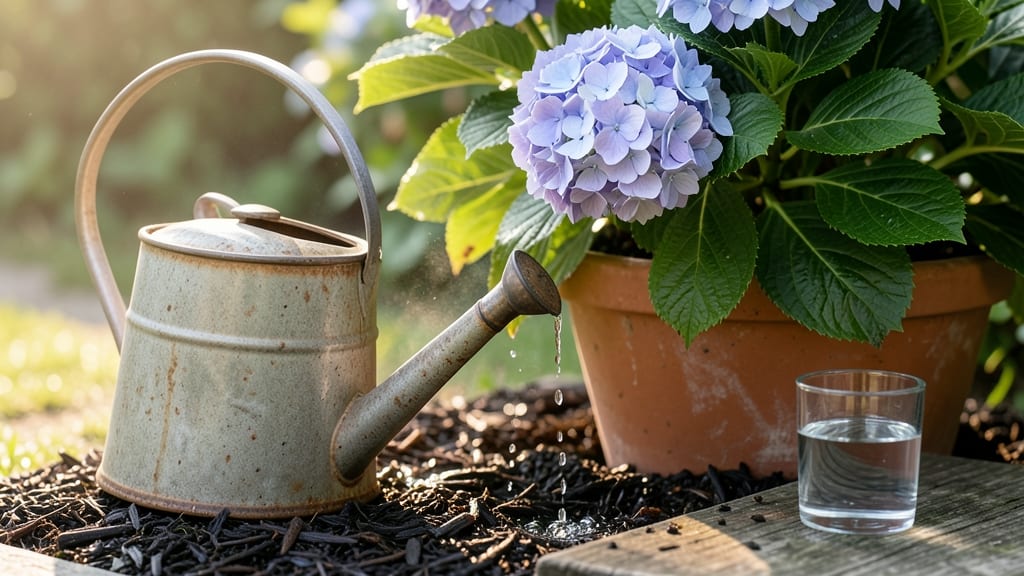
Watering flowers every day can actually harm them more than help, especially when you consider their natural needs and your local climate.
If you’ve ever walked past a garden where the soil looks soggy and the leaves are yellowing, you’ve seen overwatering in action. The truth is, most flowers thrive on a schedule that’s far less frequent than daily—sometimes as little as every 3 to 5 days in cooler months.
But here’s the catch: plant type, soil drainage, and seasonal heat all change the rules. A thirsty petunia in summer needs more than a drought-tolerant lavender in spring. The key is learning when to water deeply and when to hold back.
In this guide, you’ll discover how to read your flowers’ signals, adjust for your zone, and avoid the two biggest watering mistakes—both overdoing it and letting them dry out completely.
How often should you water flowers based on plant type?
Watering flowers isn't about following a strict schedule—it's about understanding each plant's unique needs. Annuals like petunias or marigolds thrive with consistent moisture, while succulents like echeveria store water in their leaves.
Even perennials such as roses or daylilies have different tolerances. The key is matching your watering routine to the plant's natural growth habits and environment.
Daily watering might seem safe, but it can actually harm many flowers by suffocating roots or encouraging fungal diseases. Overwatering is one of the most common mistakes gardeners make, especially with moisture-loving plants like impatiens or coleus.
Instead, focus on deep, infrequent watering that encourages strong root systems. Let's break down the ideal watering frequency for popular flower types to help you create a personalized care routine.
🌱 Tip: Always check soil moisture before watering—stick your finger 1-2 inches deep. If it feels dry, it's time to water. If it's damp, wait another day.
For annual flowers like petunias, daily watering in summer is often necessary to prevent wilting, but even these need a break. I water mine every morning for 10-15 minutes, then check soil moisture in the afternoon.
If the top inch is still damp, I skip the next watering. Petunias are forgiving, but they'll tell you when they're thirsty with droopy petals by midday.
On the opposite end, succulents and cacti are masters of water conservation. These plants store moisture in their thick leaves and stems, so watering them daily would lead to rot.
In my garden, I water echeveria only when the soil is completely dry—about every 3-4 weeks in summer and even less in winter. Overwatering succulents is a fast track to mushy stems and yellow leaves, so I always use pots with drainage holes.
💧 Pro Tip: Group plants with similar water needs together in your garden layout. This "hydrozone" approach makes watering more efficient and reduces the chance of over- or underwatering.
Perennial flowers like roses and daylilies fall somewhere in the middle. They establish deep root systems that can access moisture from lower soil layers, so they don't need frequent watering once established. Young perennials, however, require more consistent moisture—about every 2-3 days in hot weather. I've found that deep watering 2-3 times per week is better than light daily watering for roses.
Don't forget about seasonal adjustments. In summer, most flowers will need more frequent watering due to heat and evaporation, while winter often requires minimal watering.
I reduce watering for my perennials to once a week in fall and almost nothing in winter, except for a light drink during dry spells. Bulbs are another exception—they need regular watering during their growing season but should dry out completely during dormancy.
Container-grown flowers have different needs than in-ground plants because they dry out faster. Potted geraniums or impatiens might need watering every day in summer heat, while larger containers with roses can go 2-3 days.
Always check the soil moisture before watering potted flowers—if the top inch is dry, it's time to water thoroughly until it drains from the bottom.
Pay attention to your local climate and soil type too. Sandy soil drains quickly and may need more frequent watering, while clay soil holds moisture longer. In my Zone 6a garden, I've adapted by watering in the early morning to reduce evaporation and fungal risks.
If you're unsure about your plant's needs, start with the recommended frequency and adjust based on how your flowers respond.
Remember, healthy flowers
Signs of overwatering flowers and how to fix it
Overwatering flowers is one of the most common mistakes gardeners make, even with good intentions. When roots sit in soggy soil for too long, they suffocate and can’t absorb oxygen or nutrients.
This leads to a cascade of problems that often go unnoticed until your once-vibrant blooms start looking sad and unhealthy.
I’ve seen yellowing leaves, mushy stems, and even moldy soil in my own garden—all red flags that my flowers were getting too much love in the wrong way. The good news? Recognizing these signs early and taking action can save your plants before it’s too late.
Most flowers do not need daily watering! Daily watering is only appropriate for potted annuals in extreme heat (90°F+). For most flowers, every 2-3 days is safer. Overwatering causes: root rot, fungal growth, and nutrient deficiencies—all preventable with proper spacing between waterings.
First, check the soil moisture before watering. Stick your finger about 1-2 inches deep—if it feels damp, hold off. Flowers like roses and petunias prefer slightly dry soil between waterings, while succulents and cacti need even less.
If your soil stays soggy for more than a day, that’s a clear sign you’re overdoing it.
Another telltale sign is yellow leaves that start at the bottom of the plant. Unlike nutrient deficiencies (which cause yellowing between veins), overwatering causes uniform yellowing across the entire leaf.
If you also notice white, fuzzy mold on the soil surface or stems, that’s powdery mildew, a fungal issue triggered by excess moisture.
To fix overwatered flowers, start by improving drainage. Add perlite or sand to heavy clay soil, or repot into containers with drainage holes.
If roots look brown and mushy when you gently remove the plant, trim the damaged roots with sterilized scissors and let the soil dry out completely for 3-5 days before watering again.
For severe cases, consider transplanting into fresh, well-draining soil. Add a 2-inch layer of mulch around the base (but not touching the stems) to regulate moisture. Finally, adjust your watering schedule: aim for deep, infrequent waterings rather than light, frequent ones.
This encourages roots to grow deeper in search of moisture, making your flowers more resilient.
Remember, flowers are tougher than they look—most can handle a little neglect better than too much water. Trust your soil’s moisture levels, and your blooms will thank you with vibrant, healthy growth all season long. 🌸