
Blooming
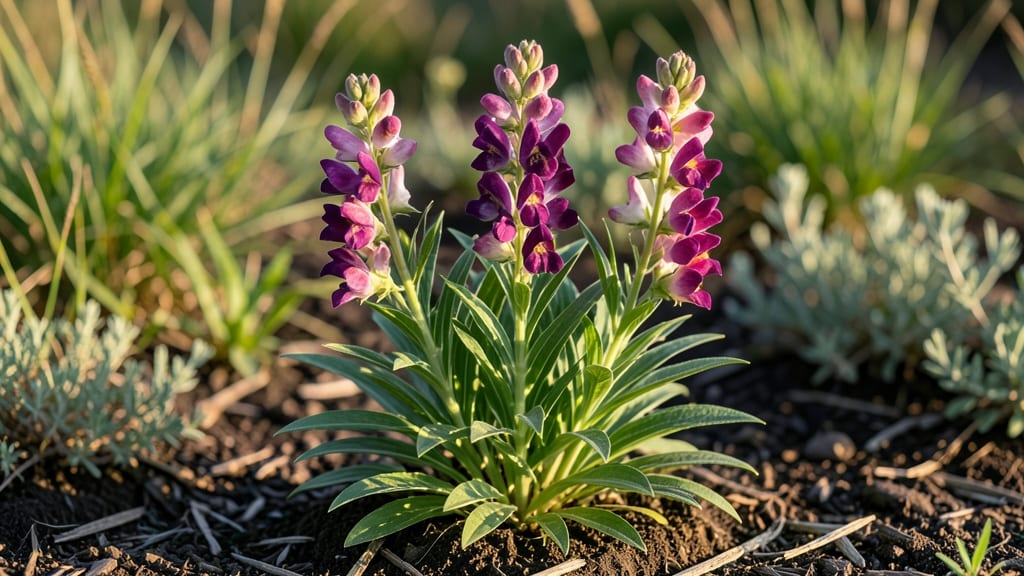
The snapdragon flower bloom time spans from early summer through fall 🌸, with some varieties stretching their show into late autumn if you play your cards right.
Ever planted snapdragons only to watch them sit there for weeks before bursting into color? The secret to their timely bloom lies in the variety you choose and when you get them in the ground.
Annual snapdragons planted in spring typically hit their peak in June or July, while late-season types like 'Black Knight' can keep flowering until frost. Perennials, if you’re in a mild zone, might even reward you with a second flush in spring.
In this guide, I’ll break down the bloom windows by variety, share the care tricks to extend those colorful displays, and adjust for your local climate—so you’re not left wondering why your snapdragons are playing hard to get.
Snapdragon bloom time by variety: early, mid, and late season types
Snapdragons (Antirrhinum majus) are one of the most versatile garden flowers, offering bloom times that span from early spring to late fall. Whether you're planning a spring garden or extending color into autumn, knowing which varieties bloom when is key to creating a continuous display.
Most snapdragons are annuals, but some perennial types like 'Black Knight' can return year after year in mild climates.
The secret to their long bloom season lies in selecting the right varieties for your planting schedule. Early bloomers like 'Rocket' series start flowering just 60-70 days after sowing, while late-season varieties such as 'Matrix' can keep blooming until frost.
Even within these categories, bloom times shift based on whether you start seeds indoors or direct-sow outdoors.
For gardeners in cooler climates (USDA Zones 3-6), starting early bloomers like 'Rocket' indoors in late winter gives you a head start. These varieties often begin flowering as early as late April or May, just as other spring flowers like tulips and daffodils fade.
The key is to sow seeds 8-10 weeks before your last frost date for optimal timing.
Mid-season varieties such as 'Matrix' bridge the gap between spring and fall blooms, typically starting in June and continuing through August. These are perfect for creating a continuous color show when paired with early bloomers.
I've found that succession planting—sowing new seeds every 2-3 weeks—extends the bloom period by several months.
Late-season snapdragons like 'Monarch' shine in summer and fall gardens, often blooming until the first hard frost. In warmer climates (Zones 8-10), some varieties can even overwinter and bloom again in early spring.
The 'Black Knight' perennial is particularly striking in these regions, offering dramatic deep purple-black blooms that contrast beautifully with golden autumn foliage.
One common misconception is that all snapdragons bloom at the same time. In reality, their bloom windows overlap when planted strategically. For example, mixing 'Tom Thumb' (early) with 'Cupcake' (mid) and 'Monarch' (late) creates a 3-month bloom sequence. This technique works beautifully in containers or garden beds.
If you're growing snapdragons for cut flowers, timing is crucial. Early varieties like 'Rocket' provide bouquets in late spring, while 'Matrix' extends your harvest into early fall.
For the longest vase life, harvest blooms in the morning when stems are fully hydrated and petals are just beginning to open.
For gardeners in USDA Zone 5 or colder, focus on annual varieties since perennials won't survive winter. However, you can still extend the season by choosing late-blooming types and using row covers to protect plants from early frosts.
In Zone 10 and warmer, perennials like 'Black Knight' offer year-round interest with minimal care.
Pro tip: To maximize bloom time, always deadhead spent flowers regularly. This simple task encourages new blooms and can extend the flowering period by 3
How to extend snapdragon bloom time with proper care
Snapdragons are showstoppers in any garden, but their bloom time can feel short if you don’t give them the right care. With the right techniques, you can stretch their vibrant displays from early summer well into fall—or even winter for hardy varieties.
The key lies in deadheading, watering habits, and optimizing their growing conditions.
I’ve found that snapdragons respond dramatically to consistent care, especially when it comes to removing spent blooms and maintaining balanced moisture. Even winter-hardy varieties like 'Black Knight' can bloom later into the season if you adjust your approach as temperatures drop.
Let’s dive into the proven methods that’ll keep your snapdragons flowering longer than ever.
- ✂️ Deadhead daily – Snip off faded blooms at the base to redirect energy to new flowers. This simple step can extend bloom time by 3-4 weeks.
- 💧 Water deeply in mornings – Snapdragons need 1 inch of water weekly, but avoid soggy soil. Mulch helps retain moisture and keeps roots cool.
- ☀️ Ensure full sun – At least 6 hours of direct sunlight daily prevents leggy growth and promotes continuous blooming.
- 🌱 Fertilize monthly – Use a balanced 10-10-10 fertilizer during active growth (spring to early fall) to fuel vibrant blooms.
- 🌡️ Adjust for winter – For hardy varieties, reduce watering in fall and add a light mulch layer to protect roots from frost.
One of my biggest mistakes was skipping deadheading—until I realized how quickly new buds formed after I started. Deadheading isn’t just about looks; it tricks the plant into thinking it’s still in peak season.
I now set aside 10 minutes every morning to snip spent blooms, and my snapdragons reward me with weeks of extra color.
Watering is another game-changer. Snapdragons hate soggy roots, which can lead to rot, but they also won’t forgive drought stress. I’ve had the most success with drip irrigation set to morning hours.
This keeps foliage dry, reducing fungal risks while ensuring roots stay hydrated. In hot climates, I even add gravel to pots to improve drainage.
Don’t overlook the power of seasonal adjustments. If you’re growing winter-hardy varieties like 'Matrix,' start cutting back on fertilizers in late summer. This helps the plant harden off naturally.
I’ve seen these varieties bloom again in early spring with just a little winter protection—a thick layer of straw mulch does wonders.
For container gardens, choose compact varieties like 'Tiny Tower' and keep them in the sunniest spot. These thrive with regular deadheading and benefit from a monthly dose of fish emulsion for extra nutrients.
With these tweaks, my potted snapdragons have bloomed for over 12 weeks—far longer than the average 6-8 weeks!