
Light Requirements
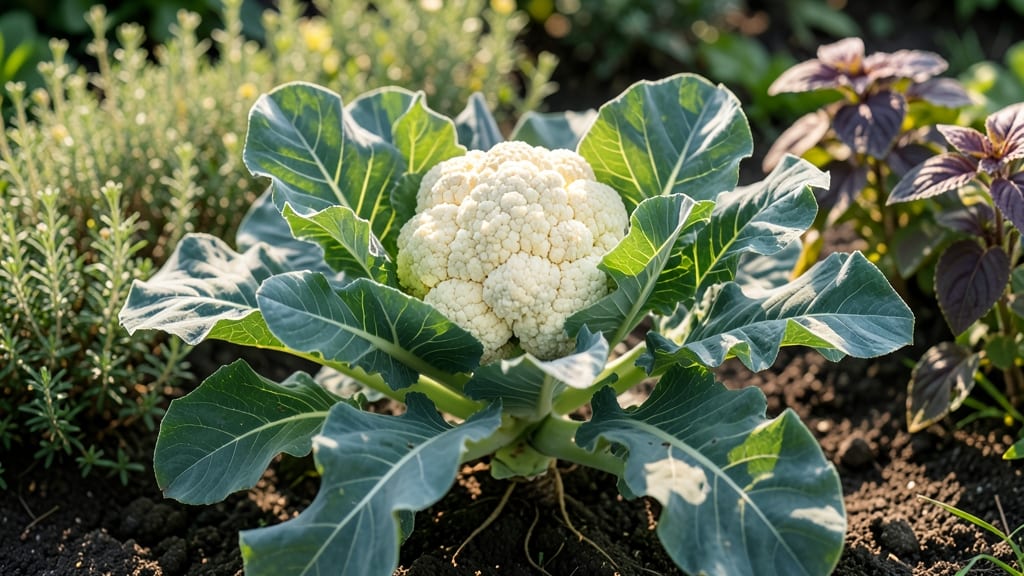
Cauliflower sunlight requirements are all about finding that sweet spot between too little and too much — because 6-8 hours of full sun is what turns those heads from floppy to perfect 🥬.
Picture this: you’ve nurtured your seedlings for weeks, only to watch them bolt into bitter stems or flop into sad, yellowing leaves. That’s sunlight stress talking, and it’s the #1 reason cauliflower gardens end in disappointment.
Here’s the good news: with the right light balance, you can grow plump, flavorful heads even in partial shade or hot climates. I’ll break down how many hours your plants truly need, how to spot stress early, and when shade cloth becomes your best friend.
By the end, you’ll know exactly how to tweak your garden setup for ideal sunlight—whether you’re working with a south-facing plot, a balcony, or a mix of shade and sun.
 Best Window Placement
Optimal sunlight hours for cauliflower growth by growth stage
Growing perfect cauliflower heads depends entirely on getting the sunlight balance right at each stage. Too little light stunts growth, while too much triggers bolting—when plants flower prematurely.
I’ve grown cauliflower in full sun gardens and partial shade setups, and I’ll share the exact sunlight thresholds you need for each growth phase.
Cauliflower is a cool-season crop that thrives in 6-8 hours of sunlight daily, but its needs change as it matures. Seedlings are delicate and need protection from intense midday sun, while mature plants require consistent light to form tight, flavorful heads.
Let’s break down the critical sunlight hours for each stage.
| Growth Stage | Optimal Sunlight Hours | Critical Notes | Shade Tolerance |
|---|---|---|---|
| Seedling (0-3 weeks) | 4-6 hours (morning sun) | Use shade cloth (30-50%) to prevent leaf scorch | High (avoid direct midday sun) |
| Vegetative (3-6 weeks) | 6-7 hours (full sun) | Increase sunlight gradually to avoid shock | Moderate (can tolerate 4-5 hours) |
| Head Formation (6-10 weeks) | 7-8 hours (direct sun) | Critical for compact head development | Low (under 6 hours causes loose heads) |
| Mature (10+ weeks) | 6-8 hours (full sun) | Reduce heat stress with mulch in summer | None (bolting risk increases) |
During the seedling stage, I always use shade cloth to protect young plants from intense sunlight. Cauliflower seedlings need gentle morning light to establish roots without stress. If you’re growing in hot climates, extend shade coverage to 50% blockage during peak sun hours.
The vegetative stage (3-6 weeks) is when plants transition to full sun. This is where many gardeners make mistakes by over-shading or sudden exposure. Gradually increase sunlight over 1-2 weeks to harden off seedlings. I’ve seen plants bolt prematurely when moved too quickly from shade to full sun.
Head formation (6-10 weeks) is the most critical phase for sunlight. This is when cauliflower needs 7-8 hours of direct sun daily to develop tight, compact heads. In my garden, I’ve noticed that heads grown in partial shade (under 6 hours) become loose and stringy—a common complaint among home gardeners.
For mature plants, maintain 6-8 hours of sunlight but watch for heat stress. In summer, I use drip irrigation in the morning to keep leaves cool and prevent bolting.
Heat-tolerant varieties like ‘Cheddar’ can handle slightly more sun, but most cauliflower varieties will bolt if temperatures exceed 85°F (29°C) for prolonged periods.
One common mistake is assuming all full sun means the same. In northern climates, cauliflower can get enough light even with shorter days, but in southern regions, you may need to provide afternoon shade during peak summer months.
I’ve successfully grown cauliflower in Texas gardens by using shade cloth from June to August.
If you’re growing cauliflower in containers, place them in the sunniest spot available and rotate pots weekly for even light exposure. Container-grown cauliflower often needs 1-2 extra hours of sunlight compared to in-ground plants due to limited root access to moisture and nutrients.
Remember, bolting prevention is all about balance. Too much sun in hot weather causes stress, while too little sun leads to poor head formation. The key is monitoring your plants and adjusting shade coverage as needed. With the right sunlight strategy, you’ll harvest plump, flavorful cauliflower heads every season.
Signs of sunlight stress in cauliflower plants & how to Fix them
If your cauliflower plants are struggling, sunlight stress is likely the culprit. Too little light leads to stunted growth and pale leaves, while too much triggers bolting and bitter flavors. The key is recognizing these signs early so you can adjust before your harvest suffers.
Start by checking your plants' leaf color. Healthy cauliflower leaves should be deep green, but yellowing leaves (especially on older ones) signal under-exposure. Meanwhile, purple-tinged stems or premature flowering mean your plants are getting too much sun or extreme heat.
⚠️ Cauliflower Sunlight Warning Signs
Under-exposure: Stunted growth, pale yellow leaves, small heads, slow maturation (⚠️ Fix: Move to sunnier spot or use grow lights)
Over-exposure: Purple stems, bolting (flowering), bitter taste, yellowing heads (⚠️ Fix: Provide afternoon shade with shade cloth)
Critical Threshold: 6-8 hours of sunlight is ideal—any less risks poor harvests, any more risks stress in hot climates
For under-exposed cauliflower, try relocating plants to a south-facing spot where they get 6+ hours of sun. If shade is unavoidable, supplement with LED grow lights for 4-6 hours daily. I’ve had great success using 15W LED bulbs on a timer during cloudy seasons.
When dealing with over-exposure, focus on afternoon shade—especially in hot climates. A 30-50% shade cloth can reduce heat stress while still allowing enough light. Water deeply in the morning to help plants recover, and consider mulching to keep roots cool.
Don’t forget to monitor your cauliflower heads as they form. If they start turning yellow or brown prematurely, it’s a sign of sun scorch or stress. Harvest these immediately—they won’t improve, but they’re still edible if cooked quickly.
Pro tip: Heat-tolerant varieties like ‘Romanesco’ or ‘Graffiti’ handle partial shade better, but even they need at least 4 hours of sun daily. Rotate plants weekly to ensure even light exposure, especially in container gardens where shade can be uneven.