
Light Requirements
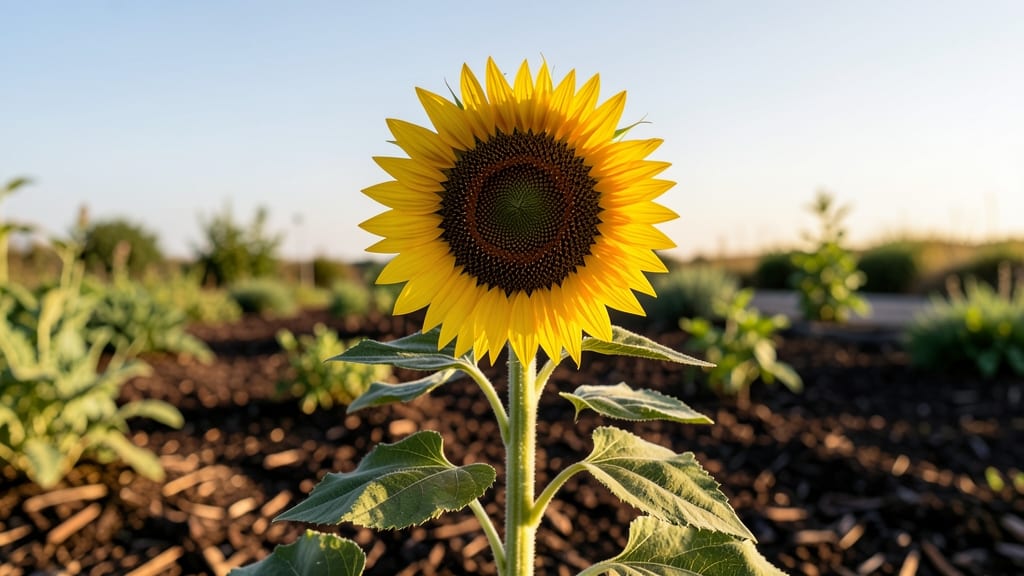
Sunflowers thrive when you meet their sunflower light requirements: they need at least 6 to 8 hours of full sun daily to grow tall, bloom vibrantly, and produce seeds—without it, they’ll stretch weak and flop like overcooked pasta.
Picture this: your 🌻 sunflowers planted in USDA Zone 6a with big dreams, only to lean toward the sky like they’re searching for something. That’s light deprivation talking—and it’s a problem for even the hardiest varieties.
Here’s the truth: most gardeners assume "full sun" means any sunlight, but sunflowers are picky. They need direct rays, not dappled shade, and even partial shade can turn your towering giants into sad, spindly sticks.
Below, I’ll show you exactly how to spot light issues, adjust your garden layout, and keep your sunflowers reaching for the sky—not the ground.
You’ll learn the ideal sunlight duration for each sunflower type, how to salvage plants in shady spots, and 5 pro tips to maximize light in tight spaces. No more guessing—just sunflowers that shine.
 Best Window Placement
How many hours of sun do sunflowers need daily?
Sunflowers thrive under bright sunlight, but their exact needs vary by variety and growth stage. Most sunflowers require 6 to 8 hours of direct sunlight daily to grow strong stems, vibrant blooms, and productive seed heads.
Without enough light, they’ll stretch toward the sun, produce weak flowers, or even fail to bloom entirely. Let’s break down the specifics so you can give your sunflowers the perfect light conditions.
Not all sunflowers are created equal—giant varieties like 'Mammoth' need the most sun, while dwarf ornamental types like 'Teddy Bear' can tolerate slightly less. Seedlings, however, are the most sensitive and need gentle but consistent light to avoid becoming leggy.
Understanding these nuances ensures your sunflowers grow to their full potential, whether you’re growing them for cut flowers, birdseed, or just the joy of watching them tower over your garden.
Measuring sunlight accurately is key to success. Use a sunlight tracker or observe your garden’s light patterns for a week. Note when shadows fall and how long they linger.
For example, a spot that gets morning sun only (e.g., east-facing) may not provide enough light for giant varieties, even if it feels sunny. South-facing areas typically offer the most consistent sunlight, while north-facing spots often lack intensity.
Sunflowers also adjust their light needs as they grow. Seedlings can handle slightly less light (4-6 hours) because they’re still developing, but once they reach 3-4 inches tall, increase their exposure to 6+ hours daily.
Mature plants in full bloom need the most sunlight—up to 10 hours—to produce heavy, seed-filled heads. If you notice your sunflowers leaning or stretching excessively, they’re begging for more light!
Your local climate plays a role too. In hot, dry regions like the Southwest, sunflowers may need afternoon shade to prevent wilting, while in cooler climates like the Pacific Northwest, they’ll soak up every possible ray.
Pay attention to your plants’ behavior: if leaves turn pale or stems weaken, it’s a sign they’re not getting enough light. Adjust their position gradually to avoid shocking the plants with sudden exposure.
For container-grown sunflowers, place pots in the sunniest spot you can find, like a south-facing patio or balcony. Rotate the containers every few days so all sides get even light, preventing lopsided growth.
If your space is limited, choose dwarf varieties—they’re forgiving and can thrive in partial shade if absolutely necessary, though their blooms may be smaller.
One common mistake is assuming "partial shade" means "any shade."** True partial shade for sunflowers means 3-4 hours of direct sun mixed with dappled light, not deep shade under trees.
If your garden has filtering shade (like from a lace-cap hydrangea), sunflowers can tolerate it better than dense shade (like under a thick oak tree). Always prioritize morning sun—it’s gentler and helps prevent sunburn on delicate petals.
Pro tip: Use reflective surfaces like white gravel or a light-colored wall to bounce extra sunlight onto your sunflowers. This trick can add 1-2 extra hours of effective light without moving the plants. It’s especially helpful for sunflowers growing near fences or buildings that cast long shadows.
Combine this with proper spacing (12-24 inches apart for giants, 6-12 inches for dwarfs) to ensure each plant gets its fair share of light.
Remember, sunflowers are resilient, but they won’t tolerate neglect. If you’re unsure about your garden’s light conditions, start with standard varieties like 'Autumn Beauty'—they’re the most adaptable and will give you a clear picture of what your sunflowers truly need.
With the right light, your sunflowers will reward you with bold blooms, strong stems, and maybe even a few surprises like edible seeds!
Full sun vs partial shade: what happens when sunflowers don’t get enough light?
Sunflowers are sun-worshippers by nature, and when they don’t get enough light, their growth patterns and flowering potential take a nosedive. While 6-8 hours of direct sunlight is their sweet spot, even partial shade can cause noticeable problems.
The first sign? Your once-promising seedlings might stretch toward the light like they’re trying to reach the sky.
Without adequate sunlight, sunflowers prioritize stem elongation over leaf development and flower production. This leads to weak, leggy stems that can’t support their own weight—imagine a 10-foot giant flopping over like a dwarf variety.
Even worse, their flower buds may never fully open, leaving you with small, underwhelming blooms instead of the dramatic sun-kissed faces you planted for.
🌱
⚠️ Sunflower Light Crisis Alert!
Sunflowers in partial shade (less than 4-6 hours of sun) will show these red flags:
- Elongated stems (reaching for light)
- Pale, sparse leaves (chlorosis)
- Delayed or no flowering
- Floppy growth (risk of snapping)
Action needed: Move plants to full sun ASAP or use reflective surfaces to boost light.
If your sunflowers are already struggling in a shady spot, don’t despair—there are ways to salvage them. First, assess your garden’s light conditions using a sunlight tracker (or just observe where shadows fall).
If you’re stuck with partial shade, choose dwarf varieties like 'Teddy Bear' or 'Moulin Rouge', which tolerate 4-6 hours of sun better than giants.
For established plants, prune lower leaves to reduce competition for light and stake weak stems to prevent collapse. You can also reflect sunlight using white plastic milk jugs or mirrors placed behind plants to bounce extra light their way.
Just avoid overcrowding, as competing stems will steal each other’s sunlight.
Remember, sunflowers are phototropic, meaning they grow toward light. If your garden only offers morning sun or dappled shade, consider container gardening near a south-facing wall or balcony railing.
With the right adjustments, even low-light sunflowers can still put on a show-stopping display—just expect smaller blooms and slower growth.
🌻