
Planting
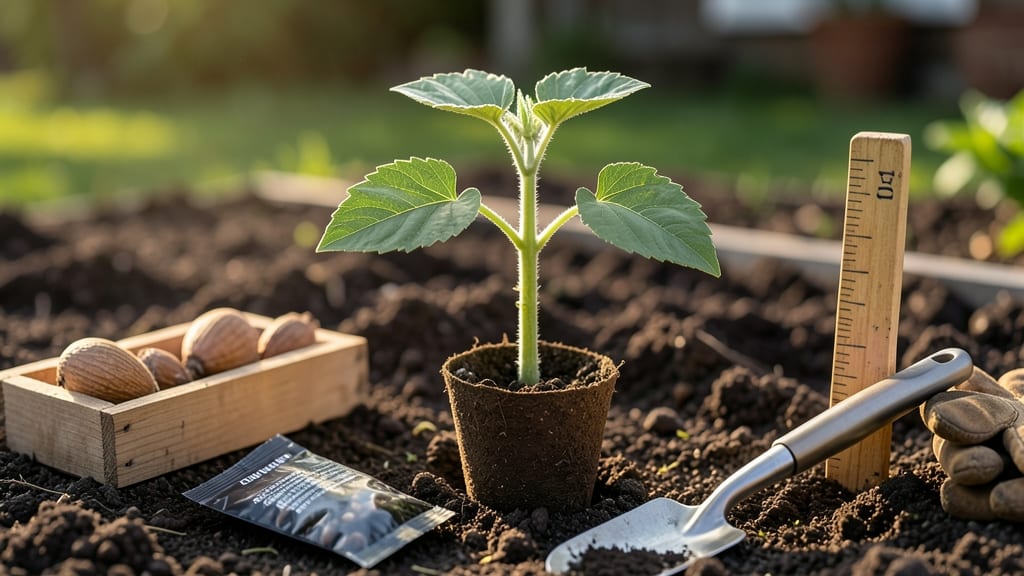
Timing sunflower planting right means the difference between a 12-foot giant 🌻 and a plant that barely clears your fence.
Sunflowers don’t just brighten your garden—they thrive when planted at the perfect time, and getting this wrong can mean the difference between a towering bloom and a sad, stunted stem. The secret? Planting at the right USDA zone and soil temperature to unlock their full potential.
In USDA Zone 6a, like much of the Midwest, the ideal window is April to May—after the last frost and when soil warms to at least 50°F.
But if you’re in a warmer climate, like Zone 9, you might start as early as February or even stretch into summer for late varieties.
Below, I’ll break down the exact months for your zone, how to prep soil for maximum height, and whether to direct-sow or start indoors for those giant varieties you’ve always dreamed of.

Best sunflower planting months by USDA hardiness zone
Sunflowers are one of the easiest plants to grow, but timing your planting window correctly is critical for towering stems and vibrant blooms. The USDA hardiness zone you live in determines the best months to plant, as soil temperature and frost dates vary dramatically across regions.
For example, in Zone 3, you’ll want to wait until late spring, while Zone 10 gardeners can plant year-round with minimal frost risk.
Most sunflowers thrive when planted after the last frost date, but soil temperature matters more than air temperature. Seeds need soil temperatures above 50°F (10°C) to germinate properly.
In cooler zones, this often means waiting until May or June, while warmer zones can start as early as March or April. Below, I’ve broken down the ideal planting months for each zone, plus key deadlines to avoid stunted growth.
For gardeners in Zones 3-4, where winters are harsh, I recommend sticking to mid-May to early June planting. This ensures the soil has warmed enough to support germination while avoiding late frost risks.
In these zones, dwarf varieties like ‘Teddy Bear’ can be planted as late as late June for smaller, manageable blooms by fall.
In Zones 5-6, the window is wider, allowing for two planting opportunities: early spring (late April) for summer blooms and early July for fall flowers. The key here is monitoring soil temperature—use a soil thermometer to confirm it’s above 50°F (10°C) before planting.
If you’re unsure, wait until the last frost date has passed and the ground feels warm to the touch.
Gardeners in Zones 7-8 have the luxury of planting sunflowers twice a year. Start with March or early April for summer blooms, then plant again in late August for fall flowers. This dual approach maximizes your bloom cycle and ensures continuous color.
Just be mindful of day-length sensitivity—sunflowers need longer daylight hours to trigger flowering, so avoid planting too late in the season.
In warmer Zones 9-10, sunflowers can be planted almost year-round, but timing matters for optimal growth. Aim for January to February to avoid the peak summer heat, which can stress plants.
For a winter bloom, try planting in September. These zones also allow for successive planting, so you can stagger seeds every 2-3 weeks for a continuous display.
If you’re in Zone 11, you’re in a unique position—sunflowers can grow year-round. However, extreme heat can cause bolting (premature flowering), so plant in cooler months (winter or early spring) and use shade cloth during summer.
This zone is perfect for experimenting with tropical varieties like ‘Moulin Rouge,’ which thrive in warm climates.
Pro tip: Always check your seed packet for days to maturity. For example, a variety labeled 60 days to bloom planted in June will flower by early August, while the same variety planted in August may not bloom until late October—if at all.
Adjust your planting timeline based on your last frost date and desired bloom time.
Finally, remember that soil preparation is just as important as timing. Sunflowers love well-draining soil rich
How to time sunflower planting for maximum height and blooms
Sunflowers are sensitive to soil temperature and daylight hours, which is why timing matters more than you might think. Plant too early when the ground is still cold, and you’ll get leggy, weak stems.
Plant too late, and your towering giants might never reach their full 12-foot potential. The key is waiting until the soil warms to at least 50°F (10°C)—this triggers faster germination and stronger growth.
Another secret? Sunflowers are day-length sensitive. Longer daylight hours in summer signal them to bolt and flower. If you plant in early spring, they may wait too long to bloom, while late summer plantings might not have enough time to mature before frost.
Understanding these biological triggers helps you predict when your sunflowers will reach their maximum height.
- 1 Soil temperature threshold: Wait until soil reaches 50°F (10°C)—use a soil thermometer to check. Cold soil delays germination and weakens stems.
- 2 Daylight sensitivity: Sunflowers need 14+ hours of daylight to trigger bolting. Plant in late spring/early summer for optimal blooming in zones 3-7.
- 3 Maturity dates on seed packets: Count backward from your first frost date. Subtract the packet’s days-to-maturity (e.g., 70 days) to find your ideal planting window.
- 4 Direct sowing vs. transplanting: Sunflowers hate root disturbance. Direct-sow after the last frost for best results—transplanting can stunt growth by 20-30%.
Let’s talk about those maturity dates on seed packets—they’re your roadmap to towering sunflowers. If your packet says “70 days to maturity,” count backward from your average first frost date in your zone.
For example, in USDA Zone 6 (like mine), frost hits around October 15, so I plant in early May to ensure blooms before cold snaps. Pro tip: Early varieties (50-60 days) give you a longer harvest window, while tall varieties (100+ days) need a longer growing season.
Now, here’s a tradeoff: direct sowing vs. transplanting. Sunflowers have delicate taproots, so transplanting can shock them, leading to stunted growth. I’ve tried transplanting seedlings, and while it’s possible, my giants never reached their full height.
For maximum results, direct-sow seeds 1 inch deep after the soil warms to 50°F. If you’re in a short-season zone, consider dwarf varieties (like ‘Teddy Bear’) that mature faster.
One more trick: succession planting for continuous blooms. In warm climates (zones 8-11), you can plant every 2-3 weeks from spring to early summer. This ensures a steady supply of cut flowers or seeds.
Just remember—sunflowers need full sun (6+ hours daily), so choose a spot where they won’t be shaded by taller plants as they grow.
Timing your sunflower planting isn’t just about the calendar—it’s about understanding your plants’ biology. By waiting for warm soil, accounting for daylight, and avoiding transplant shocks, you’ll grow sunflowers that reach their full genetic potential, turning your garden into a towering, golden masterpiece. 🌻