
Diseases
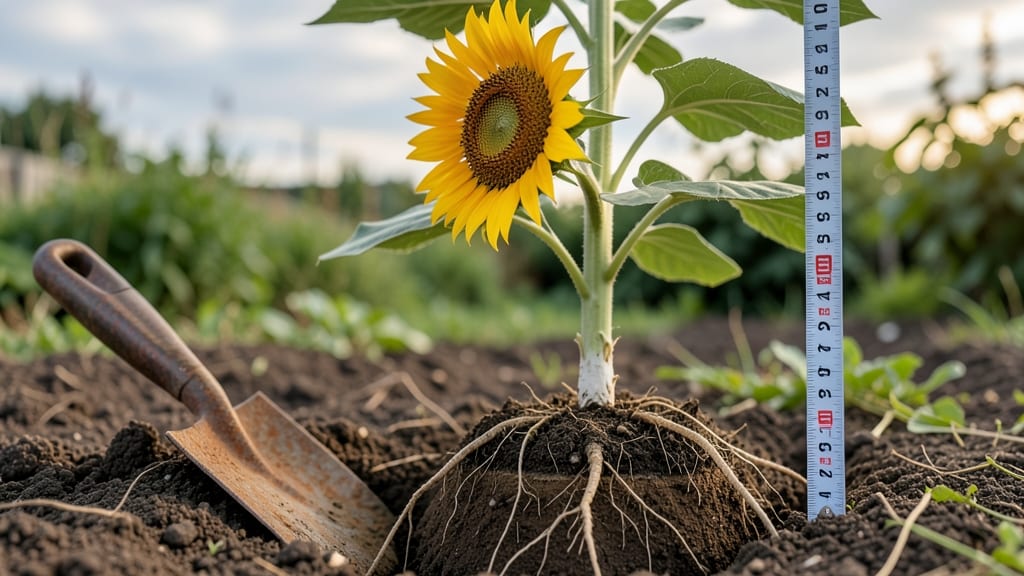
The depth of sunflower roots often plunges deeper than you might expect, often reaching 10 feet or more into the soil 🌻 — a fact that changes how you plant, water, and even support these towering beauties.
Did you know sunflowers can develop roots that plunge deeper than their towering stalks—sometimes reaching 10 feet or more? Understanding sunflower root depth isn’t just fascinating; it’s crucial for stability, water access, and even soil health in your garden.
Those deep roots aren’t just for show—they anchor your sunflowers against wind, tap into water reserves during droughts, and pull nutrients from layers of soil most plants can’t reach. Shallow planting or rocky soil can stunt their growth, leaving your plants wobbly or stunted.
In this guide, I’ll break down how deep sunflower roots go, what affects their growth, and the simple tweaks you can make—like planting depth and soil prep—to help your sunflowers thrive from the ground up.
How deep do sunflower roots grow? A breakdown by variety and conditions
Sunflowers develop taproots that can plunge surprisingly deep—often 3 to 10 feet—depending on the variety and growing conditions. These deep roots anchor the plant and access water from lower soil layers, making sunflowers remarkably resilient in dry climates.
The root depth also correlates directly with the plant's height, with giant varieties like 'Mammoth' developing roots up to 12 feet deep to support their towering stalks.
While most sunflowers rely on a single dominant taproot, they also develop lateral roots that spread horizontally to stabilize the plant. This root structure explains why sunflowers rarely topple in windy conditions, even when reaching heights of 10 to 15 feet.
Understanding these variations helps gardeners optimize planting depth, soil preparation, and watering strategies for healthier plants.
| Variety | Avg. Root Depth | Max Height | Soil Adaptability |
|---|---|---|---|
| Dwarf Varieties (e.g., 'Teddy Bear') | 1.5–3 ft | 1–3 ft | Sandy/Clay |
| Semi-Dwarf (e.g., 'ProCut') | 3–5 ft | 3–6 ft | Loamy/Sandy |
| Standard (e.g., 'Autumn Beauty') | 5–8 ft | 6–10 ft | Loamy/Clay |
| Giant (e.g., 'Mammoth') | 8–12 ft | 10–15 ft | Deep Loam |
*Root depth varies with soil moisture and fertility.
Soil type plays a critical role in sunflower root development. In sandy soils, roots may grow deeper and faster to reach moisture, while clay soils can restrict root penetration, often resulting in shallower but denser root systems.
For optimal growth, amend heavy clay with compost or sand to improve aeration, allowing roots to explore deeper layers. In contrast, well-draining loam provides the ideal balance, supporting roots that reach their full potential depth.
Water availability directly influences root depth. Sunflowers planted in dry conditions develop deeper roots to access groundwater, sometimes exceeding 10 feet in search of moisture. In contrast, overwatered plants may produce shorter, shallower roots because they don’t need to search for water.
This adaptability makes sunflowers excellent for drought-prone gardens, but it also means they thrive with deep, infrequent watering rather than frequent shallow soaks.
Environmental factors like temperature and sunlight also affect root growth. Sunflowers planted in warmer climates tend to develop deeper roots earlier in the season, while cooler temperatures can slow root penetration.
Additionally, full-sun exposure (6+ hours daily) stimulates robust root systems, whereas partial shade may result in shorter roots and weaker stems. For gardeners in USDA Zones 3–10, timing planting to avoid late frosts ensures roots establish before stress from heat or drought sets in.
When planting sunflowers, aim to place seeds 1 inch deep to encourage straight taproot growth. Deeper planting can cause the stem to struggle to reach the surface, while shallower planting may result in weak roots.
For giant varieties, consider planting in raised beds or mounded soil to prevent root competition and improve drainage. This simple adjustment can make a significant difference in root depth and overall plant stability.
One common misconception is that all sunflowers have equally deep roots. In reality, dwarf varieties like 'Teddy Bear' rarely exceed 3 feet in root depth, making them ideal for containers or small gardens.
Meanwhile, standard and giant varieties require more space and deeper soil profiles. Choosing the right variety for your garden’s conditions ensures both aesthetic appeal and structural integrity, especially in windy areas.
For gardeners interested in soil health, sunflowers are a fantastic choice because their deep roots act as natural aerators, breaking up compacted soil and creating channels for water and air. After harvesting, consider leaving the stalks in place until spring to allow roots to decompose and enrich the soil.
This practice improves future plantings by enhancing soil structure and nutrient availability, making sunflowers a beneficial rotational crop in any garden.
If you’re growing sunflowers for cut flowers or seed production, prioritize varieties with deeper roots to ensure taller, sturdier stems. For example, 'Mammoth' sunflowers not only reach impressive heights but also develop roots that anchor them securely, reducing the risk of lodging.
In contrast, dwarf varieties are better suited for ornamental borders where height isn’t a concern.
To maximize sunflower root depth in your garden, focus on soil preparation, proper spacing, and consistent watering. Avoid over-fertilizing with nitrogen, as this can promote leafy growth at the expense of root development. Instead, use a balanced fertilizer (5-10-10) early in the season to encourage strong root systems.
With the right conditions, your sunflowers will reward you with vibrant blooms and resilient growth**—all thanks to their impressive underground networks.
Why sunflower root depth matters: stability, water access, and soil benefits
Sunflowers aren’t just stunning garden stars—they’re engineering marvels with deep taproots that anchor them like skyscrapers. These roots can plunge 8-10 feet into the soil, far deeper than their towering stalks.
This isn’t just impressive biology; it’s a game-changer for stability, water access, and even your garden’s long-term health.
The deeper the roots, the more wind-resistant your sunflowers become. Without proper depth, a 12-foot sunflower could topple like a house of cards in a storm. But when roots dive deep, they create a natural support system, keeping your plants standing tall even in breezy conditions.
This is especially critical if you’re growing sunflowers near driveways or walkways where accidental brushes could snap shallow-rooted stems.
Here’s the key-takeaway you won’t want to miss:
🌱 Why Deep Roots Change Everything
- ⚡ Stability: Roots 8+ feet deep prevent toppling in windy conditions.
- 💧 Drought Resistance: Taproots reach moisture deep in dry spells.
- 🌿 Soil Aeration: Deep roots break up compacted soil naturally.
- 🔄 Nutrient Uptake: Access nutrients in lower soil layers for stronger growth.
Pro Tip: Plant seeds 1 inch deep but ensure soil stays loose to encourage deep root growth.
Deep roots also act like natural straws, sucking up water from deep soil layers during droughts. This means your sunflowers can survive long dry spells without wilting, making them perfect for xeriscaping or water-conscious gardens.
Even in clay-heavy soils, where water pools at the surface, deep roots help sunflowers access moisture others can’t reach.
Beyond survival, these roots improve soil structure over time. As they grow, they create channels that aerate compacted soil, helping air and water penetrate deeper. This benefits not just your sunflowers but future plants in the same spot.
Think of them as free soil tillers working underground while you enjoy the blooms above.
Avoid these common mistakes that stunt root growth: planting too shallow (less than 1 inch deep) or crowding seeds too closely. Both limit root expansion. Instead, space seeds 6 inches apart and loosen soil with compost to encourage deep growth.
For heavy clay soils, mix in sand or organic matter to help roots penetrate easily.
Next time you plant sunflowers, remember: what’s hidden below is just as important as what you see above. Deep roots mean stronger plants, healthier soil, and a garden that thrives through wind, drought, and time—all while putting on a dazzling show. 🌻