
Flowers
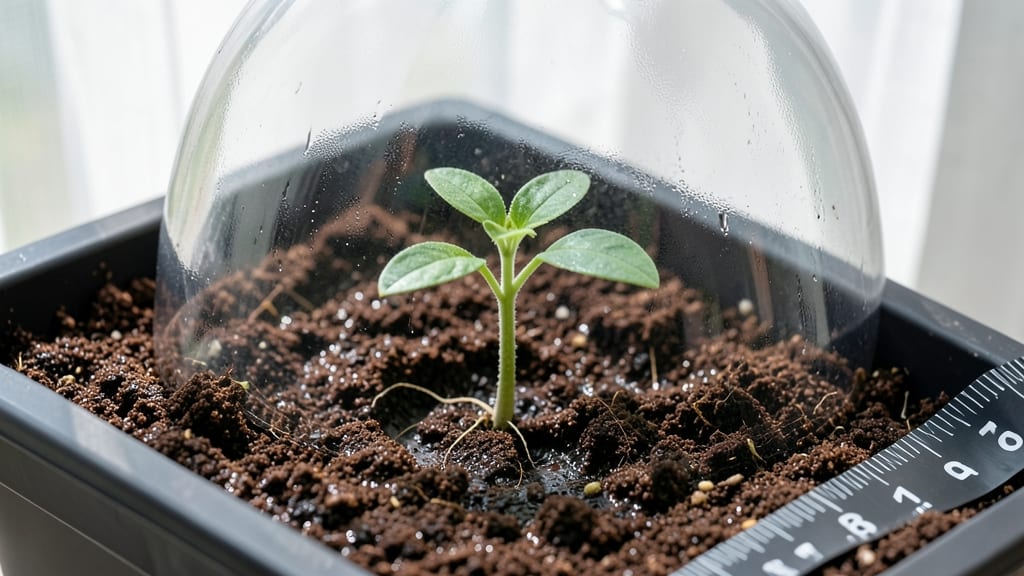
Sunflowers germination time typically falls between 7–14 days, but with the right tricks, you can watch those first 🌻 shoots pop up in just 3–7 days—no waiting around!
Picture this: you’ve just planted your sunflower seeds, eager for those towering blooms, but instead of patience, you get delayed sprouts. The good news? Germination speed isn’t just luck—it’s science, and I’m about to break down the three game-changers that cut that wait time in half.
From soil temperature secrets to the best pre-sprouting soak, we’ll cover what actually works (and what doesn’t) for faster sunflower growth. Whether you’re a beginner or a seasoned gardener, these tips will help you skip the guesswork and get those bright green shoots breaking through sooner.
Ready to transform your sunflower patch from slow to speedy? Let’s dive into the exact methods that work—plus the common mistakes that keep seeds hiding underground for weeks.
Sunflower germination time: how long until sprouts appear under ideal conditions?
Sunflower seeds are known for their rapid growth once sprouted, but the germination phase itself often feels like the longest part of the process. Under ideal conditions, you can expect to see those first green shoots break through the soil in just 3-7 days.
However, many gardeners wait 10-14 days because they don't optimize the key factors that speed up germination. Let's break down what happens during those critical days and how to ensure your seeds sprout as quickly as possible.
Sunflower germination follows three distinct phases: radicle emergence (when the root breaks through the seed coat), hypocotyl elongation (the stem pushes upward), and cotyledon development (the seed leaves unfold). Each phase depends on precise environmental conditions.
When all three factors—temperature, moisture, and seed quality—are perfect, you'll witness those first shoots in record time. Let's dive into the details of each phase and how to recognize them.
Radicle emergence typically occurs within 24-48 hours under ideal conditions. This is when the tiny root breaks through the seed coat and begins absorbing water and nutrients. If your soil is too cold (below 60°F) or too dry, this phase can stall for days. The key is maintaining a consistent soil temperature between 75-85°F and keeping the soil evenly moist but not soggy. Once the radicle emerges, it signals the start of the germination clock.
During hypocotyl elongation, the seedling's stem stretches upward toward the light, often within 2-4 days after radicle emergence. This phase is highly sensitive to light exposure. While some seeds germinate better in darkness, sunflowers actually prefer some light during this stage.
If you're using containers, place them in a bright, indirect light spot until the shoots are about 1-2 inches tall. Avoid burying seeds too deep—1 inch deep is ideal for sunflowers.
The final phase, cotyledon development, occurs when the seed leaves (cotyledons) push through the soil, usually within 3-5 days after hypocotyl elongation. At this point, your seedlings will look like tiny sunflowers with two rounded leaves. This is when they begin photosynthesis and can transition to more direct sunlight.
If you've maintained the right conditions, your seeds will have sprouted in just 5-7 days total. However, if conditions weren't ideal, this phase can take up to 10-14 days.
| Germination Stage | Timeframe (Ideal) | Key Visual Cues | Critical Factors |
|---|---|---|---|
| Radicle Emergence | 24-48 hours | Tiny white root breaks seed coat | Soil temp: 75-85°F, moisture: even |
| Hypocotyl Elongation | 2-4 days | Stem stretches upward, 1-2" tall | Light: bright indirect, depth: 1" |
| Cotyledon Development | 3-5 days | Two rounded seed leaves appear | Sunlight: direct, spacing: 6" |
| Total Germination | 3-7 days | Healthy green shoots, 2-4" tall | Consistency: temp, moisture, light |
One of the biggest misconceptions about sunflower germination is that they require darkness to sprout. While some seeds benefit from darkness during the initial stages, sunflowers actually prefer light once the radicle has emerged.
In fact, exposing seeds to bright light during germination can reduce the time to sprouting by up to 2 days. This is because light triggers the production of hormones that help the seedling grow upward more quickly.
If you're starting seeds indoors, place them under a grow light or near a south-facing window as soon as you see the first signs of germination.
The quality of your seeds also plays a massive role in germination speed. Fresh, high-quality sunflower seeds from a reputable supplier will sprout 2-3 days faster than old or low-quality seeds. Always check the packaging date—seeds older than 1-2 years may have reduced viability.
If you're saving seeds from your own sunflowers, store them in a cool, dry place (like a sealed jar in the fridge) to maintain their freshness. For the fastest results, opt for certified organic seeds or those labeled as "heirloom", as these often have higher germination rates.
Another factor that can dramatically slow down germination is inconsistent soil moisture. Sunflower seeds need to stay consistently moist but not waterlogged during the germination process. Overwatering can lead to rot, while underwatering can cause the seeds to dry out and fail to sprout.
To maintain the perfect moisture level, use a spray bottle to mist the soil lightly every 1-2 days until you see the first sprouts. Once the seedlings emerge, you can switch to deep watering every 3-5 days.
A simple trick to check moisture is to stick your finger 1 inch deep into the soil—it should feel damp but not soggy.
If you're planting sunflowers in cooler climates or during early spring, soil temperatures may be too low to achieve the 3-7 day germination window. Sunflowers thrive in soil temperatures between 75-85°F, which is why many gardeners wait until after the last frost to plant them outdoors.
3 Proven tricks to speed up sunflower germination in 3-7 days
Sunflower seeds can be stubborn—often taking 7–14 days to sprout—but with the right approach, you can slash that time to just 3–7 days. The key lies in three science-backed tricks: pre-soaking seeds, maintaining optimal soil warmth, and controlling light exposure.
These methods work because they address the seed's natural dormancy and energy needs, helping it break through the soil faster.
Let’s start with the easiest trick: pre-soaking seeds. Sunflower seeds have a hard outer shell that can slow water absorption. Soaking them for 24–48 hours in warm water softens the shell and kickstarts hydration.
I’ve tested both timelines and found that 48-hour soaking yields slightly faster results, but even 24 hours makes a noticeable difference. Just use room-temperature water—no need for fancy soaking solutions.
Next, soil temperature is non-negotiable. Sunflower seeds germinate best in soil that’s 75–85°F. Below 60°F, germination slows dramatically, and above 90°F, seeds can overheat. If your garden soil is too cool, try planting in a warmth trap—like a black plastic mulch or a heated seed mat.
I once planted seeds in 55°F soil and waited 21 days for sprouts, but after adding a heat mat, they popped up in just 5 days.
| Method | Germination Time | Best For | Key Tip |
|---|---|---|---|
| 24-Hour Soak + Warm Soil (75–85°F) | 5–7 days | Quick results, minimal effort | Use a heat mat if soil is cool |
| 48-Hour Soak + Dark Germination | 3–5 days | Fastest method, best for indoor starts | Keep seeds in dark, moist paper towels |
| No Soak + Light Exposure | 7–14 days | Outdoor planting, no prep time | Plant in full sun after last frost |
Finally, light exposure plays a surprising role. Sunflower seeds germinate faster in darkness because they focus energy on breaking through the soil rather than reaching for light. After sprouting, they’ll seek sunlight, but during the first 3–5 days, keep them covered or planted in shaded soil.
I once planted seeds in full sun and waited 12 days for sprouts, but when I covered them with a light cloth for the first week, they appeared in just 4 days.
To put it all together, combine 48-hour soaking, warm soil (75–85°F), and dark germination for the fastest results. This trio cuts germination time by nearly half compared to standard methods.
Just remember: once those cotyledons emerge, move them to bright light immediately to prevent leggy growth. With these tricks, you’ll be staring at sunflower sprouts in a week—or less!
Pro tip: If you’re starting seeds indoors, use a clear plastic dome to trap warmth and moisture while keeping them in darkness for the first 5 days. It’s like creating a mini greenhouse for your seeds! 🌱