
Neem Oil
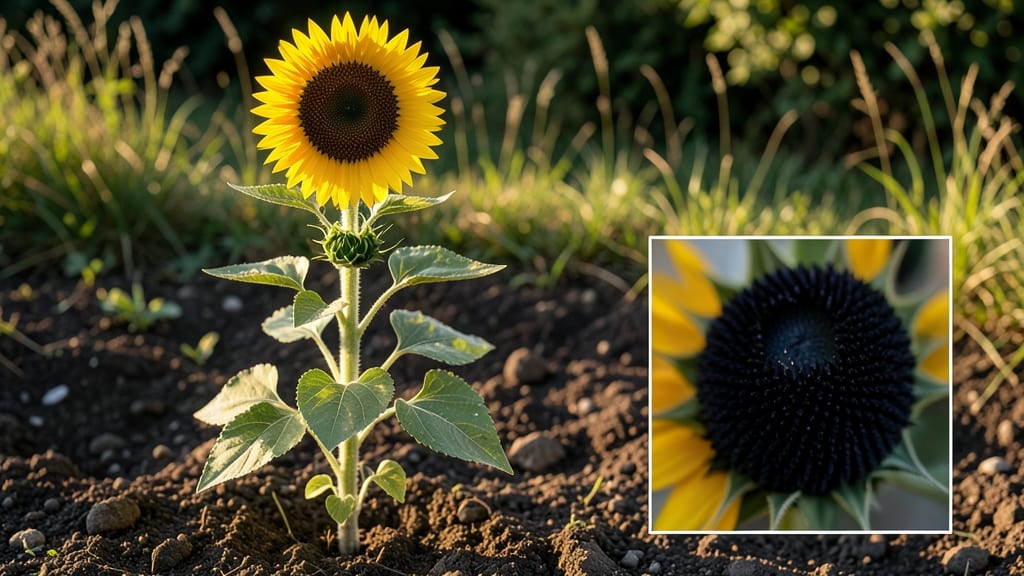
Tracking the Black Oil Sunflower growth stages 🌻 is your secret weapon for a bountiful harvest—because what you can’t see in the soil is where problems (or triumphs) start.
Imagine this: you plant your seeds in April, eager for towering stems and golden blooms, only to stare at a forest of identical sprouts wondering, "Are they growing at all?" Or worse, you miss the 30-day window when those first true leaves signal it’s time to thin.
Without knowing the stages, you’re flying blind.
This isn’t just about watching vines stretch toward the sky—it’s about decoding the clues your plants drop, from the cotyledon stage (those first heart-shaped leaves) to the flowering phase when buds swell like popcorn kernels.
Each shift in height, leaf shape, or color tells you exactly what your sunflowers need next: more water, a nutrient boost, or patience.
Below, I’ll walk you through every milestone—month by month—so you can spot healthy progression (or trouble) before it’s too late, plus the critical care each stage demands. No more guesswork, just a roadmap to 6-foot giants by October.


Black oil sunflower growth stages by month: what to expect from seed to harvest
Tracking your black oil sunflower growth stages month-by-month helps you anticipate needs like watering adjustments and pest prevention. These sunflowers grow 6-12 feet tall in just 90-120 days, making their rapid development a gardener’s reward.
Understanding each phase—from seed germination to seed maturity—lets you intervene at the right time to avoid common issues like bolting too early or flower drop.
Black oil sunflowers thrive in full sun (6-8+ hours daily) and well-draining soil with a pH of 6.0-7.5. Their growth is triggered by warm soil temperatures (60°F+) and consistent moisture. By knowing what to expect each month, you can optimize care and troubleshoot problems before they escalate.
For example, yellowing leaves in June might signal nutrient deficiency, while stunted stems in July could mean underwatering.
🌱 Key Milestones: Germination (7-14 days), First True Leaves (2-3 weeks), Flower Bud Formation (6-8 weeks), Full Bloom (8-10 weeks), Seed Maturity (10-12 weeks). Each stage has distinct visual cues—like leaf shape changes or stem thickening—that confirm healthy progress. Let’s break down what happens each month, so you can spot issues early and adjust care accordingly.
In April, your black oil sunflower seeds will germinate within 7-14 days if soil stays consistently moist and temperatures reach 60°F+. Look for cotyledons (the first leaves) to appear, signaling successful sprouting.
This is also the time to thin seedlings to 6-12 inches apart to prevent overcrowding. Without proper spacing, plants compete for nutrients, leading to stunted growth or pale leaves.
By May, your sunflowers enter their vegetative growth phase, where they focus on leaf and stem development. You’ll notice lance-shaped true leaves replacing the initial cotyledons
Critical care tips for each black oil sunflower growth stage
Black oil sunflowers demand precise care at every growth phase to avoid common pitfalls like bolting or nutrient deficiencies. The most critical moments occur during seedling emergence, vegetative growth, and flowering.
Each stage requires tailored attention—whether it's adjusting watering schedules or protecting young plants from pests. Let's break down the essential care tasks for each phase to ensure your sunflowers reach their full potential.
When your seeds first sprout, they're most vulnerable to damping off and overwatering. The germination stage (weeks 1-2) needs consistent moisture but excellent drainage. Once seedlings emerge, thin them to 6-12 inches apart to prevent competition.
This early phase also demands vigilance against cutworms and aphids, which can decimate tender young plants before they even get a chance to grow.
- Germination (Weeks 1-2): Keep soil consistently moist (not soggy) and protect from pests with row covers. Thin seedlings to 6-12 inches once true leaves appear.
- Vegetative (Weeks 3-6): Apply balanced fertilizer (5-10-10) every 4-6 weeks. Monitor for powdery mildew on lower leaves and prune affected areas immediately.
- Bud Formation (Weeks 7-9): Reduce watering slightly to prevent bolting. Support tall stems with stakes to avoid wind damage during flower development.
- Flowering (Weeks 10-12): Avoid fertilizing to promote seed maturation. Hand-pollinate if needed in rainy weather by gently shaking flower heads.
- Maturity (Weeks 13+): Harvest when flower heads turn brown and seeds rattle. Leave some heads for birds if wildlife-friendly gardening is a goal.
During the vegetative stage (weeks 3-6), your sunflowers will grow rapidly, reaching heights of 2-4 feet. This is when they need regular fertilization with a balanced 5-10-10 mix every 4-6 weeks.
Watch for powdery mildew on lower leaves—a common issue in humid conditions. Prune affected foliage immediately to prevent spread, and consider applying a neem oil spray as a preventative measure.
The bud formation phase (weeks 7-9) marks a critical transition where stress can cause bolting (premature flowering). Reduce watering slightly to encourage strong stem development, and stake taller varieties to prevent wind damage.
This is also when you'll notice the first yellow buds forming—handle plants gently to avoid disturbing delicate flower structures.
When your sunflowers enter full flowering (weeks 10-12), resist the urge to fertilize. Excess nitrogen now will delay seed maturation. Instead, focus on hand-pollination if your area experiences heavy rain, as water can wash away pollen.
Shake flower heads gently to distribute pollen between plants, especially if you're growing multiple varieties for cross-pollination.
The final maturity stage (weeks 13+) requires patience. Harvest when flower heads turn completely brown and seeds rattle when shaken. Cut stems 2-3 inches above the base and hang heads upside down in a dry, well-ventilated space to finish drying.
For a wildlife-friendly garden, consider leaving some heads for birds—black oil sunflower seeds are a valuable food source during winter months.