
Light Requirements
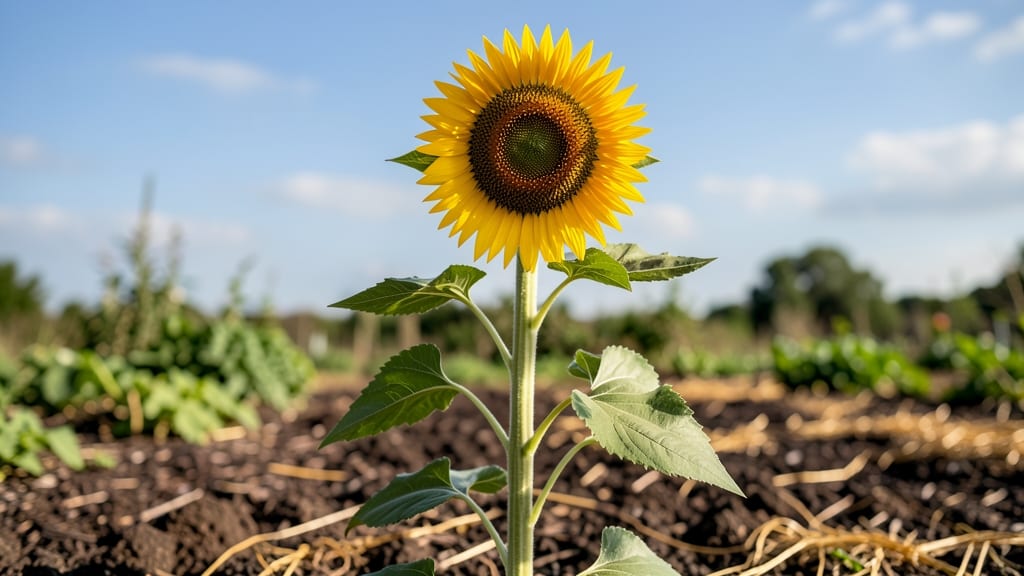
Sunflowers require the full sun sun requirements to thrive, with 6 to 8+ hours of direct sunlight daily for their signature towering growth and vibrant blooms.
Picture this: your sunflowers 🌻 stretching toward the sky, their petals radiating warmth, only to wilt into leggy shadows if you miss the mark. That’s the power of sunlight—and why getting it right is the difference between a showstopping garden and a sad, sparse display.
Not all sun is equal, though. Too little light stunts growth, while too much can scorch those delicate leaves.
Below, I’ll break down the exact sun requirements your sunflowers need, how to spot when they’re struggling, and how to position them for maximum impact—whether you’re in a sprawling backyard or a tight urban plot.
You’ll also discover how to adjust for partial shade, high-altitude planting, and seasonal shifts, so your sunflowers stay happy from seedling to seed. Let’s get started!

How many hours of sun do sunflowers need daily?
Sunflowers are sun-worshippers—they crave sunlight like a desert plant craves water. But here’s the catch: not all sunflowers are created equal. Giant varieties like 'Mammoth' need more light than dwarf types like 'Teddy Bear.'
Let’s break down their exact sunlight needs to ensure your sunflowers grow tall, strong, and full of vibrant blooms.
The minimum sunlight requirement for sunflowers is 6 hours of direct sun daily, but most varieties thrive with 8-12 hours. This range ensures robust stems, large flower heads, and abundant seed production. However, high-altitude gardens or northern climates may need adjustments to compensate for weaker sunlight intensity.
Here’s the sunlight breakdown by sunflower type and growth stage to help you tailor care for your plants:
| Variety | Growth Stage | Daily Sunlight Needs | Partial Shade Tolerance | High-Altitude Adjustment |
|---|---|---|---|---|
| Giant (e.g., 'Mammoth', 'Russian Giant') | Seedling | 4-6 hours (gradually increase) | None (stunted growth) | +2 hours (weaker sunlight) |
| Giant | Budding | 8-10 hours (critical for blooms) | 2-4 hours (smaller flowers) | +1 hour (supplemental light) |
| Giant | Flowering | 10-12 hours (max seed production) | 0 hours (poor seed set) | +3 hours (use grow lights) |
| Dwarf (e.g., 'Teddy Bear', 'Moulin Rouge') | Seedling | 4-6 hours (gradual exposure) | 4-6 hours (slower growth) | +1 hour (weaker light) |
| Dwarf | Budding | 6-8 hours (compact blooms) | 4 hours (smaller flowers) | +1 hour (supplemental light) |
| Ornamental (e.g., 'Autumn Beauty', 'ProCut') | Seedling | 4-6 hours (gentle acclimation) | 6 hours (leggy stems) | +2 hours (high-altitude) |
| Ornamental | Flowering | 8-10 hours (vibrant colors) | 2 hours (paler blooms) | +1 hour (grow lights) |
For seedlings, start with 4-6 hours of morning sun to prevent shock. Gradually increase exposure as they mature. Budding sunflowers need 8+ hours daily to develop strong stems and large blooms. During the flowering stage, 10-12 hours of sunlight maximizes seed production and flower vibrancy.
If you’re gardening in partial shade, dwarf varieties tolerate 4-6 hours of direct sun better than giants. However, expect smaller flowers and weaker stems. For high-altitude gardens
Signs your sunflowers aren’t getting enough (or too much) sunlight
Sunflowers 🌻 are sun-worshippers by nature, and when they don’t get enough light, their struggles show up fast. Pale, stretched-out stems and small, weak leaves are classic red flags.
These signs appear when seedlings get less than 4-5 hours of sun daily, causing them to stretch desperately toward any light source—a condition called etiolation. Even mature plants will produce tiny, underdeveloped blooms if they’re light-deprived, leaving you with a garden full of disappointment instead of towering beauty.
On the flip side, too much intense sunlight—especially in hot climates—can cause sunburned leaves that look crispy or bleached. You’ll spot brown patches on leaf edges and wilting during peak afternoon heat. This happens when sunflowers get unfiltered sun for 10+ hours daily without proper hydration or shade relief.
Both extremes stress your plants, but the fixes are simple once you know what to look for.
⚠️ Sunflower Sunlight Warning Signs
Too Little Sun: Leggy stems, pale yellow leaves, slow growth, and no flower buds forming. Seedlings may collapse if stretched too far.
Too Much Sun: Crispy brown leaf edges, wilting in afternoon heat, and bleached or scorched petals. Roots may dry out faster than the plant can absorb water.
Critical Fix: Move seedlings gradually to full sun (acclimate over 7-10 days). For mature plants, provide afternoon shade cloth (30-50%) in extreme heat or mulch heavily to retain moisture.
If your sunflowers are in the seedling stage, focus on gradual sun exposure. Start with 2-3 hours of morning sun and slowly increase to full sun over a week. This hardens their stems and prevents sun shock, which can kill tender young plants.
Use a south-facing window or a grow light for indoor starts, keeping them just 6 inches away to avoid burning.
For mature sunflowers, watch for leaf curl or droop during hot afternoons—this means they’re overheating. Water deeply at the base (1-2 gallons per plant) in the early morning to give roots time to absorb moisture before the sun peaks.
If your garden has late afternoon shade, position taller varieties (like Mammoth) where they’ll get morning sun, while dwarf types (like Teddy Bear) can handle slightly more shade.
Don’t ignore soil temperature either—sunflowers need warm soil (55°F+) to germinate. If your seeds sprout but then stunt or yellow, they might be struggling with cool soil or poor drainage.
Amend the soil with compost to improve warmth retention and add a mulch layer to keep roots cool in scorching weather. Even the sunniest garden can become too harsh without these adjustments.
Pro tip: Rotate your sunflowers every 2-3 weeks if growing in containers to ensure even sunlight exposure. This prevents one side from getting overly exposed while the other stays in shade.
And if you’re in a high-altitude garden, sunflowers may need 10-12 hours of light to compensate for the intense UV rays. Monitor their progress and adjust their spot accordingly.