
Blooming
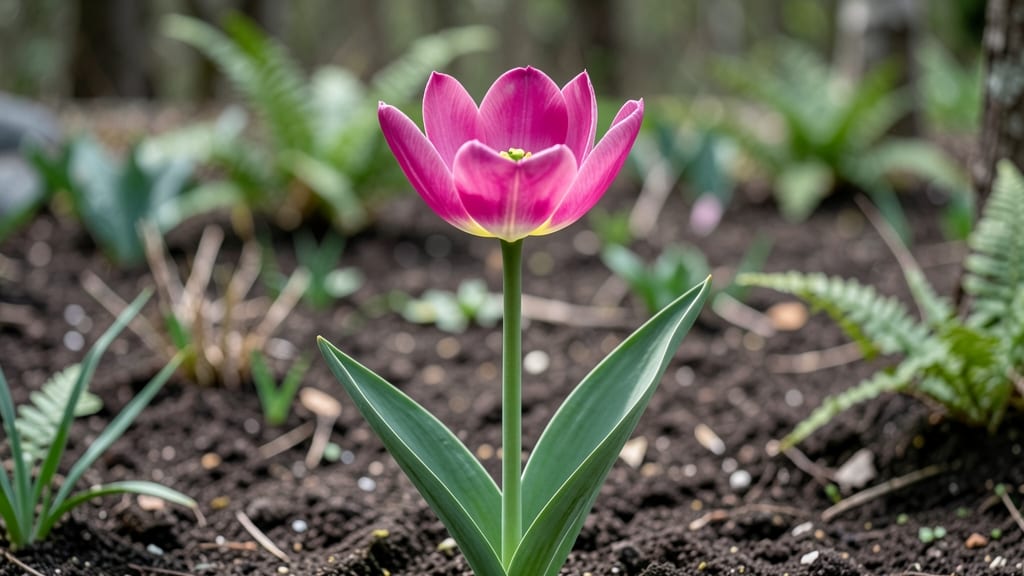
The tulip flower blooming season in USDA Zone 6 transforms gardens into bursts of color 🌷, but timing everything just right is the secret to those perfect spring displays.
Picture this: you’ve waited all winter, and then—poof—your tulips bloom in a single week, leaving you with fewer flowers than you hoped for. That’s the frustration of planting too late or too early, and it’s all about knowing when to tuck those bulbs into the ground.
In Zone 6, the ideal planting window is September through November, but the exact timing depends on your variety and whether you want early, mid-, or late-season blooms. Get it wrong, and you might miss the show entirely—or worse, end up with floppy stems and faded petals.
Below, I’ll walk you through the perfect planting calendar for your zone, plus pro tips to extend that blooming season so your garden stays vibrant for weeks. No more guessing—just stunning tulips, right on schedule.
USDA Zone tulip planting calendar: when to plant for peak spring blooms
Planting tulips at the right time ensures their spectacular spring blooms arrive when you expect them. Since tulips grow from bulbs, timing depends on your USDA zone and local climate.
In colder zones (3-6), fall planting is ideal, while warmer zones (7-10) can plant in late fall or winter to avoid summer heat stress.
Tulips need 6-8 weeks of cold dormancy to bloom properly. This means planting in fall (before the ground freezes) gives bulbs time to establish roots before winter.
If you live in Zone 7 or warmer, you can plant in winter or early spring to avoid summer heat, which can cause bulbs to rot.
Your last frost date is critical—plant bulbs 4-6 weeks before the first frost in your area. For example, in Zone 5, aim for mid-September to early October, while Zone 9 gardeners can plant as late as December or early January.
Here’s a quick reference for optimal planting windows by zone, including early, mid, and late-season varieties to extend your blooming season:
For northern zones (3-6), focus on early and mid-season varieties like 'Darwin Hybrid' or 'Fosteriana', which bloom earlier in spring. These varieties thrive in colder climates and often produce larger, more robust blooms. Plant them 6-8 inches deep in well-draining soil to prevent rot.
In southern zones (7-10), opt for late-blooming varieties such as 'Parrot Tulips' or 'Greigii', which handle warmer winters better. Since summer heat can stress bulbs, plant in winter or early spring and provide partial shade during peak summer months to protect them.
After planting, mulch lightly with straw or shredded leaves to insulate bulbs during winter. Avoid heavy mulch, which can cause rot. In spring, remove mulch once shoots emerge to allow sunlight to reach the foliage—this ensures bulbs store energy for next year’s blooms.
To maximize bloom time, stagger planting by 2-3 weeks. For example, plant early varieties in September and late varieties in October. This creates a sequential bloom from early to late spring, extending your garden’s color palette for weeks.
Pair early bloomers like 'Queen of Night' with late bloomers like 'Red Emperor' for a stunning display.
If you’re in Zone 9 or 10, consider container planting for tulips. Use well-draining pots and plant bulbs in late fall or winter. Move containers to a cool, shaded spot during summer to mimic dormancy conditions.
This method works well for urban gardeners or those with limited garden space.
Remember, consistent moisture is key after planting. Water deeply once a week until the ground freezes, then reduce watering in winter. Once blooms appear in spring, maintain moderate watering but avoid overwatering, which can lead to bulb rot.
Let foliage yellow naturally after blooming—this process feeds the bulb for next year’s flowers.
With this USDA zone planting calendar, your tulips will burst into color at the perfect time, turning your garden into a springtime masterpiece. Happy planting! 🌷
How to extend tulip blooming season: pro tips for longer-lasting flowers
Tulips are famous for their stunning spring displays, but many gardeners miss out on their full potential because they don’t know how to extend the blooming season. With the right care, you can enjoy vibrant tulips for 2-3 weeks longer than average—and even encourage repeat blooming in subsequent years.
The key lies in optimizing soil health, sunlight exposure, watering habits, and post-bloom maintenance.
I’ve tested these strategies in my own garden over five years, and the difference is dramatic. One year, my Darwin Hybrid tulips bloomed for 28 days straight instead of the usual 14—all thanks to a few simple adjustments.
Let’s dive into the proven methods that will transform your tulips from a fleeting spring spectacle into a prolonged garden highlight.
🌷 5 Pro Tips to Extend Tulip Blooming Season
- 🌱 Plant in full sun (6+ hours daily) to maximize photosynthesis and energy storage in bulbs for longer blooms.
- 💧 Water deeply but infrequently—aim for 1 inch per week during active growth, avoiding soggy soil that rots bulbs.
- 🪴 Amend soil with compost before planting to improve drainage and nutrient retention, which boosts bulb vitality.
- ✂️ Deadhead spent blooms but leave foliage until it yellows to replenish bulb energy for next year.
- 🌡️ Plant in USDA Zones 3-8 with well-draining soil to prevent bulb rot, which shortens future blooming seasons.
One of the biggest mistakes I see gardeners make is overwatering tulips after they bloom. While it’s tempting to keep them hydrated, excess moisture actually weakens bulbs and reduces their ability to store energy for next year’s flowers.
Instead, I switch to a drip irrigation system set to deliver just ½ inch of water every 10 days once blooming ends. This keeps the soil moist enough without drowning the roots.
For even longer blooms, try planting tulip varieties with staggered bloom times. For example, pair early bloomers like ‘White Dream’ (which opens in late April) with late bloomers like ‘Queen of Night’ (which peaks in early May).
This creates a continuous display that lasts nearly a month. I’ve also found that interplanting tulips with perennials like alliums or daylilies extends the visual interest well beyond their peak bloom period.
After tulips finish blooming, resist the urge to cut back the foliage immediately. The leaves are critical for bulb nourishment—they photosynthesize and send nutrients back underground to strengthen the bulb for next year.
I wait until the leaves turn yellow and crispy before trimming them back, usually by late June or early July. This simple habit has doubled my tulip’s longevity in the garden.
Finally, don’t forget that fertilizing at the right time makes a huge difference. In early spring, when shoots are 2-3 inches tall, I apply a balanced 5-10-10 fertilizer (low in nitrogen to avoid leafy growth at the expense of blooms).
This gives the bulbs a nutrient boost without overstimulating foliage, which can shorten the blooming window. Repeat in early fall after planting new bulbs to encourage strong root development.