
Blooming
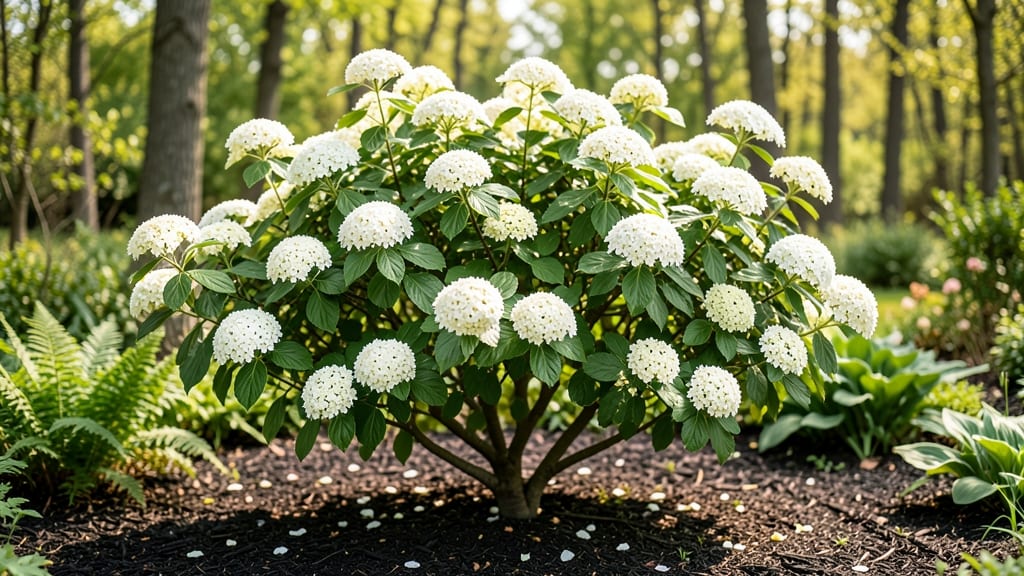
Viburnum flowering time depends on your climate zone and the specific variety you're growing, with blooms ranging from late winter to early summer 🌸.
If you’ve ever wondered why your viburnum shrubs bloom at different times each year—or how to predict their stunning floral displays—understanding their flowering time by climate zone is the key to maximizing their beauty.
For example, Viburnum bodnantense often bursts into color in late winter, while Viburnum plicatum waits for spring, with exact timing shifting by 2–4 weeks depending on whether you’re in Zone 5 or Zone 8.
Below, I’ll break down the best months for each type, plus 3 simple tips to ensure your viburnum puts on its most vibrant show year after year.
When do viburnums bloom? Exact flowering months by USDA climate Zones
Viburnums are among the most rewarding shrubs for gardeners, offering stunning clusters of flowers that brighten up landscapes. But their flowering time varies dramatically depending on the variety and your USDA climate zone.
Knowing these exact windows helps you plan pruning, fertilizing, and even companion plantings to create showstopping displays year after year.
Some viburnums burst into bloom as early as late winter, while others wait until late spring or even summer. The key is matching your viburnum type to your zone’s frost dates and temperature patterns.
For example, Zone 5 gardeners might see Viburnum bodnantense open in February, while Zone 9 growers could enjoy Viburnum plicatum blooms in April.
Below is a zone-by-zone breakdown of when popular viburnum varieties typically flower, along with tips to extend their blooming seasons. Whether you’re planning a winter garden or hoping for summer-long color, this guide will help you time your care perfectly.
| Variety | USDA Zones | Typical Bloom Time | Notes |
|---|---|---|---|
| Viburnum bodnantense (Winter Gem) | 3–8 | Late winter to early spring (Feb–Mar) | Early bloomer; fragrant pink buds |
| Viburnum plicatum (Japanese Snowball) | 5–9 | Late spring (Apr–May) | Layered branches; repeat blooms |
| Viburnum opulus (Cranberrybush) | 3–7 | Late spring to summer (May–June) | Bright red berries follow flowers |
| Viburnum dentatum (Arrowwood) | 3–9 | Late spring (May–June) | Native; drought-tolerant |
| Viburnum trilobum (American Cranberrybush) | 2–6 | Early summer (June) | Fragrant white flowers; cold-hardy |
If you live in USDA Zone 3 or 4, focus on early bloomers like Viburnum bodnantense or Viburnum trilobum, which thrive in cooler climates. These varieties often flower as soon as soil temperatures rise above 40°F (4°C), making them perfect for winter gardeners eager for color.
In Zones 5–7, you’ll see a mix of late winter and spring bloomers, with Viburnum plicatum offering dramatic layered displays.
For Zones 8 and 9, where winters are milder, summer-blooming viburnums like Viburnum opulus shine. These varieties often bloom in May or June, providing late-season interest when many other shrubs have finished. However, they may require light pruning after blooming to encourage next year’s flowers.
One common misconception is that all viburnums bloom in spring. In reality, some—like Viburnum rhytidophyllum—produce late summer flowers (August–September) that persist into fall. This makes them ideal for extending your garden’s seasonal interest.
To maximize blooms, always prune after flowering for spring bloomers and in late winter for summer varieties.
Climate shifts can also affect flowering times. In Zone 6, for example, a late frost might delay Viburnum plicatum blooms by 2–3 weeks. To mitigate this, choose hardier varieties or provide temporary frost protection with burlap wraps during critical bloom periods.
For gardeners in Zone 9 or warmer, heat stress can shorten bloom seasons. Ensure your viburnums get morning sun and afternoon shade, and water deeply during dry spells. Mulching with organic matter helps regulate soil temperatures and retains moisture, which is crucial for consistent flowering.
Pro tip: Plant multiple viburnum varieties to create a sequential bloom effect. Start with Viburnum bodnantense in winter, transition to Viburnum plicatum in spring, and finish with Viburnum opulus in summer. This ensures your garden stays vibrant from February through August.
How to extend Viburnum blooms: pruning and care tips for longer flowering seasons
Want your viburnum shrubs to burst into color for weeks instead of days? The secret lies in smart pruning techniques and seasonal care tailored to your climate zone. Many gardeners miss the mark by pruning at the wrong time or neglecting soil health—both critical factors for repeat blooming.
With the right approach, you can transform a single burst of flowers into a prolonged display that brightens your garden from early spring through summer.
First, understand that viburnum varieties fall into two main blooming categories: those that flower on old wood (last year's growth) and those that bloom on new wood (current year's growth). This distinction changes everything about your pruning schedule.
For example, Viburnum bodnantense (Winter Flowering Viburnum) relies on old wood, so heavy pruning can rob you of next year's blooms. Meanwhile, Viburnum plicatum (Japanese Snowball) thrives when you prune to encourage new growth. Knowing which type you have is step one to extending those vibrant blossoms.
🌿 Top 5 Tips to Extend Viburnum Blooms
- Prune at the right time: For old wood bloomers, prune immediately after flowering (never in late winter). For new wood bloomers, prune in late winter/early spring before buds swell.
- Adjust soil pH: Test your soil—viburnums thrive in slightly acidic soil (pH 5.0-6.5). Amend with peat moss or sulfur if needed for optimal nutrient uptake.
- Feed strategically: Apply a balanced fertilizer (10-10-10) in early spring and a low-phosphorus fertilizer in fall to promote next year’s blooms without excessive foliage growth.
- Water deeply: Deep watering once weekly (1-1.5 gallons per shrub) encourages strong root development, which supports longer flowering periods.
- Mulch annually: Add 2-3 inches of organic mulch (like shredded bark) in late fall to insulate roots and retain moisture for next season’s growth.
Let’s talk about pruning techniques in more detail, because this is where most gardeners go wrong. For old wood bloomers like Viburnum dentatum (Arrowwood), avoid cutting back more than 1/3 of the plant at a time. Remove only dead or crossing branches and shape lightly to maintain an open center.
This ensures next year’s flower buds—formed on last year’s wood—aren’t sacrificed. In contrast, new wood bloomers like Viburnum opulus (Guelder Rose) can handle harder pruning in late winter. Cut back 1/3 of the oldest stems to the ground to stimulate fresh growth and more abundant blooms.
Don’t overlook the power of seasonal care routines. In early spring, before buds swell, give your viburnum a light pruning to remove any winter-damaged branches and apply a slow-release fertilizer.
During the growing season, monitor for pests like viburnum leaf beetles—handpick adults or use neem oil to protect foliage. In fall, focus on mulching and soil prep: add compost and a light application of bone meal (for phosphorus) to fuel next year’s blooms.
These small steps add up to weeks-long flowering displays instead of fleeting bursts.
One common mistake I see is over-pruning in late winter, which can leave old wood bloomers without next year’s flowers. Another pitfall is neglecting soil health—viburnums are heavy feeders and need consistent nutrients. To test your progress, compare your shrub’s blooms year over year.
If you’re seeing larger clusters or later blooming, you’re on the right track! For extra-long blooms, consider adding a second light feeding in early summer (like fish emulsion) to support continuous growth.
Finally, remember that light exposure plays a subtle but critical role. While viburnums tolerate partial shade, they produce more abundant blooms in full sun (6+ hours daily). If your shrub is in deep shade, gradually move it to a sunnier location over 2-3 years to avoid shock.
Pair these care tips with patience—some viburnums take 2-3 years to fully adjust to new conditions and reward you with prolonged, show-stopping blooms. 🌸