
Blooming
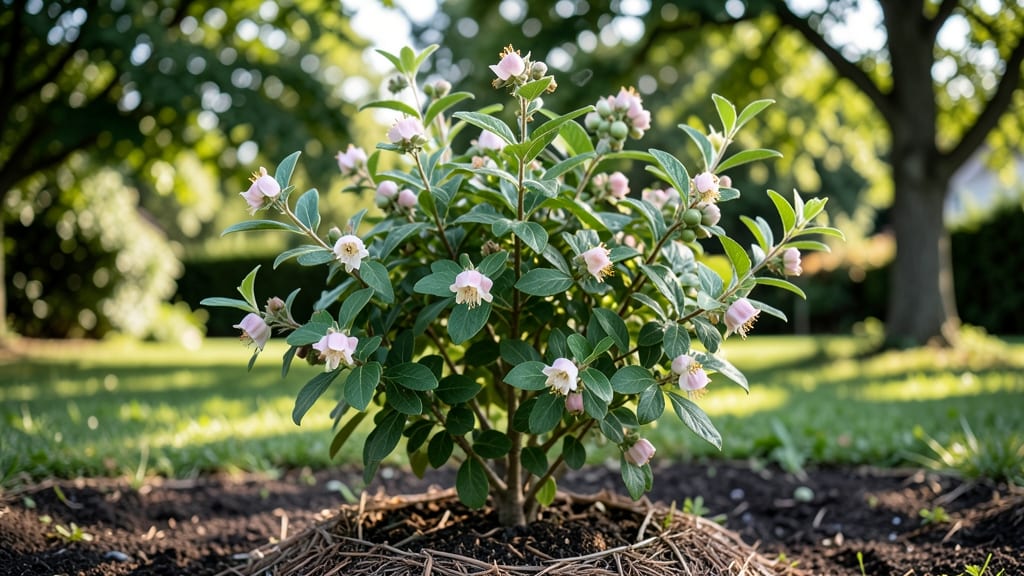
Blueberries flower in late spring, typically between April and June, when days grow longer and temperatures climb into the 50s–60s°F.
Timing is everything in blueberry cultivation—miss the flowering window, and you could lose your entire harvest. Understanding when blueberries flower (and how to optimize it) is the key to maximizing fruit production year after year.
In USDA Zone 6, where most gardeners grow them, expect blooms to appear around May, but varieties and climate shifts can push that window earlier or later. Southern types may flower as early as March, while northern varieties wait until June.
Below, I’ll break down how to spot flowering stages, adjust care for your zone, and even extend the season for better pollination—so you’re not left with empty bushes come harvest time.
Blueberry flowering timeline by variety and climate zone
Blueberries are one of the few fruits that bloom before their leaves emerge, making timing critical for pollination. The exact flowering window varies dramatically between northern, southern, and half-high varieties, as well as your USDA climate zone.
In warmer zones (7-10), blooms may appear as early as February, while colder zones (3-6) typically see flowers in late April to May. Understanding these differences helps you plan for frost protection and optimal pollination.
Climate zone shifts can move the flowering window by 3-6 weeks.
For example, a southern highbush like 'Misty' in Zone 8 may bloom in February-March, while the same variety in Zone 5 won’t flower until late April. Northern highbush varieties like 'Bluecrop' are more adaptable but still respond to temperature cues.
Half-high varieties often bloom slightly later than their full-sized counterparts, giving gardeners in transitional zones a buffer against early frosts.
Here’s how to navigate the blueberry flowering timeline based on your variety and zone, including early vs. late bloomers and key seasonal cues to watch for:
In Zone 3-5, northern highbush varieties like 'Bluecrop' and 'Jersey' are your best bet, as they bloom later and avoid late spring frosts that can devastate early flowers.
These zones often see blooms in late April to May, aligning with safer temperatures. Half-high varieties like 'Top Hat' are also popular here because their compact size makes them easier to protect with row covers or frost cloths if needed.
Gardeners in Zones 7-10 face a different challenge: early blooming can expose flowers to winter or early spring frosts.
Southern highbush varieties like 'Misty' and 'O'Neal' often bloom as early as February, so monitoring frost forecasts is essential. Rabbiteye varieties, like 'Premier', also bloom early but are more heat-tolerant, making them ideal for Zone 8-10 gardens where late frosts are rare but summer heat is intense.
For Zone 6 gardeners, the transition zone, timing becomes even more critical. Here, you might see southern highbush varieties bloom in March while northern highbush varieties wait until late April. Planting a mix of early and late bloomers can extend your harvest window and reduce frost-related losses.
For example, pairing 'Misty' (early) with 'Bluecrop' (late) ensures blooms span March to May, giving you a buffer against unpredictable weather.
Watch for seasonal cues like bud swell and pink bud stage, which signal imminent flowering. In <
How to extend blueberry flowering season for better pollination
Blueberries need a precise balance of chilling hours and warmth to trigger blooms. If your bushes are flowering late or not at all, it’s likely due to inadequate winter chilling or poor pruning timing.
The good news? With a few adjustments, you can extend the flowering window by up to 3–4 weeks, ensuring better pollination and a heavier harvest.
First, let’s tackle the biggest hurdle: winter chilling requirements. Most blueberry varieties need 800–1,000 hours below 45°F to break dormancy. If you’re in a warmer zone (7–10), this can be tricky. I’ll show you how to mimic winter conditions artificially and when to prune for maximum bloom potential.
If your blueberries are early bloomers, focus on delaying pruning until after the first frost risk has passed. For late bloomers, prioritize soil warmth by using black plastic mulch in early spring to speed up root activity.
I’ve seen late-season varieties like Bluecrop extend their flowering by 2 weeks with these tweaks!
One final tip: Monitor your local frost dates and adjust care accordingly. In Zone 6, aim for blooms to start by mid-May—any later, and you risk frost damage. Use a frost alarm or weather app to stay ahead of cold snaps.
By combining pruning precision, chilling adjustments, and frost protection, you’ll create the perfect conditions for a longer, more reliable flowering season. Soon, your blueberry bushes will be bursting with blooms—and your harvest will thank you!