
Blooming
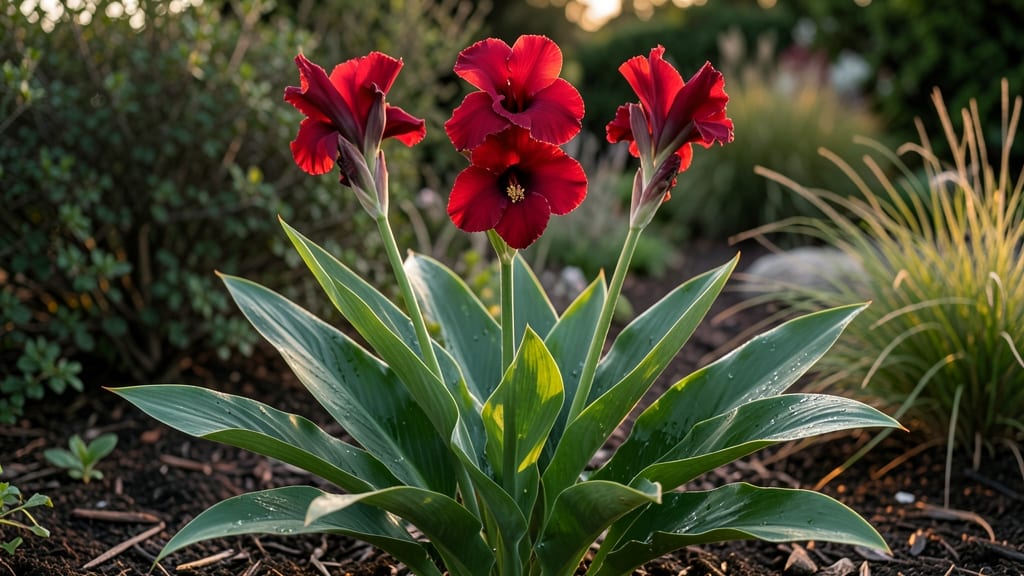
Cannas flower between July and September in most climates, but the exact timing depends on when you plant them and your local frost dates.
If you’ve ever wondered why your cannas bloom at different times each year—or why some neighbors’ plants flower months earlier—understanding their flowering timeline is the key to unlocking vibrant, long-lasting blooms in your garden.
In USDA Zone 6a, where spring arrives late, cannas planted in April or May typically burst into color by mid-summer, while tropical varieties in warmer zones may start as early as June. The secret lies in soil warmth and daylight hours, not just the calendar.
Below, I’ll break down the month-by-month blooming schedule for your region, plus three simple tricks to coax earlier—or more abundant—flowers from your 🌺 cannas this season.
Cannas flowering timeline by USDA climate zones: when to expect blooms
Cannas are tropical showstoppers that reward gardeners with dramatic foliage and bold blooms—but their flowering timeline shifts dramatically depending on your USDA climate zone. In warmer zones like 10-11, cannas may bloom year-round with minimal dormancy, while zone 7 gardeners often see a condensed summer-to-fall display.
Understanding these patterns helps you choose the right varieties and care for them to maximize blooms.
The key to predicting canna blooms lies in temperature triggers and frost dates. Most cannas need soil temperatures above 60°F (15°C) to sprout, and consistent warmth above 70°F (21°C) to trigger flowering.
In colder zones, cannas enter dormancy when nights dip below 40°F (4°C), while tropical varieties in zones 10-11 may flower continuously if given proper care.
| USDA Zone | First Blooms | Peak Season | Last Blooms | Notes |
|---|---|---|---|---|
| Zone 7 | Late June | July–September | Early October | Cold-hardy varieties like 'Striped' or 'Pactolus' may rebloom if protected from frost. |
| Zone 8 | Early June | June–October | Mid-November | Extended season with late bloomers like 'Australia' or 'Durban'. |
| Zone 9 | May | May–November | December | Tropical varieties like 'Black Knight' may bloom year-round with winter protection. |
| Zone 10 | April | April–December | January | Continuous blooming possible with consistent moisture and fertilizer. |
| Zone 11 | March | March–February | Year-round | Ideal for tropical cannas like 'Cleopatra' or 'Tropicanna'. |
In zone 7, cannas typically bloom from late June to early October, with peak displays in July and August. This compressed timeline means gardeners must plant rhizomes early (after last frost) to ensure blooms arrive before frost.
Varieties like 'Pactolus' and 'Striped' are cold-hardy and may rebloom if protected from early frosts.
Zone 8 gardeners enjoy a longer season, from early June to November, thanks to milder winters. Here, late-blooming varieties like 'Durban' shine, extending the show into fall. To encourage second blooms, cut back spent flower stalks and fertilize lightly in early summer.
Warmer zones (9-11) offer near-year-round blooming potential. In zone 9, cannas may flower from May to December, while zones 10-11 can produce blooms continuously if given consistent care. Tropical varieties like 'Black Knight' thrive here, rewarding gardeners with deep purple blooms even in
How to predict canna flowering time based on planting month
Predicting when your cannas will bloom isn’t guesswork—it’s a science based on your planting month, climate zone, and soil warmth. Unlike some flowers that bloom on a fixed schedule, cannas respond directly to temperature cues and rhizome maturity.
By understanding these triggers, you can adjust your planting schedule to enjoy blooms as early as early summer or extend the season until first frost.
For example, in USDA Zone 8, planting canna rhizomes in April typically yields blooms by July, while a May planting might delay flowers until August.
The key difference? Soil temperatures and daylight length. Let’s break down the exact steps to calculate your canna’s bloom window based on when you plant.
- 🌡️ Step 1: Check Soil Temp – Cannas need 60°F+ soil to sprout. Use a soil thermometer or wait until 2 weeks after last frost in your zone.
- 📅 Step 2: Planting Window – April-May (Zones 7-9) or May-June (Zones 10-11). Tropical cannas bloom 60-90 days after planting; cold-hardy types take 90-120 days.
- ☀️ Step 3: Sunlight Trigger – Cannas need 6+ hours of sun daily to form buds. Shorter daylight in fall reduces blooms, so plant early for a longer season.
- 🌱 Step 4: Leaf Growth Stage – Blooms appear once leaves reach 2-3 feet tall. Measure leaf height to track progress.
- ⏳ Step 5: Adjust for Climate – In cooler zones (7-8), plant 2-3 weeks earlier than tropical varieties to compensate for slower growth.
Cold-hardy cannas, like Canna ‘Striata’, are the early bloomers of the group. These varieties can handle light frosts and often produce buds just 60 days after planting if soil temperatures stay above 55°F.
In contrast, tropical cannas, such as Canna ‘Cleopatra’, thrive in warmth year-round and may take 90 days or longer to bloom, especially in cooler climates.
To push blooms earlier, try container gardening with black pots. These absorb heat and raise soil temperatures by 5-10°F, accelerating sprouting. Pair this with a balanced fertilizer (10-10-10) applied 4-6 weeks after planting to encourage robust foliage and more flower stalks.
Avoid over-fertilizing with nitrogen, though—it promotes leaves over blooms!
For a later bloom season, delay planting until June in warmer zones (10-11). This shifts flowering to September-October, just before frost. Just ensure your cannas receive consistent moisture during dry spells, as drought stress can delay or prevent buds from forming entirely.
Track your canna’s progress by marking the day you plant and noting when flower stalks emerge. Over time, you’ll spot patterns—like how a May planting in Zone 9 always yields blooms by early August**.
Use this data to fine-tune future plantings for the longest possible bloom season in your garden.