
Blooming
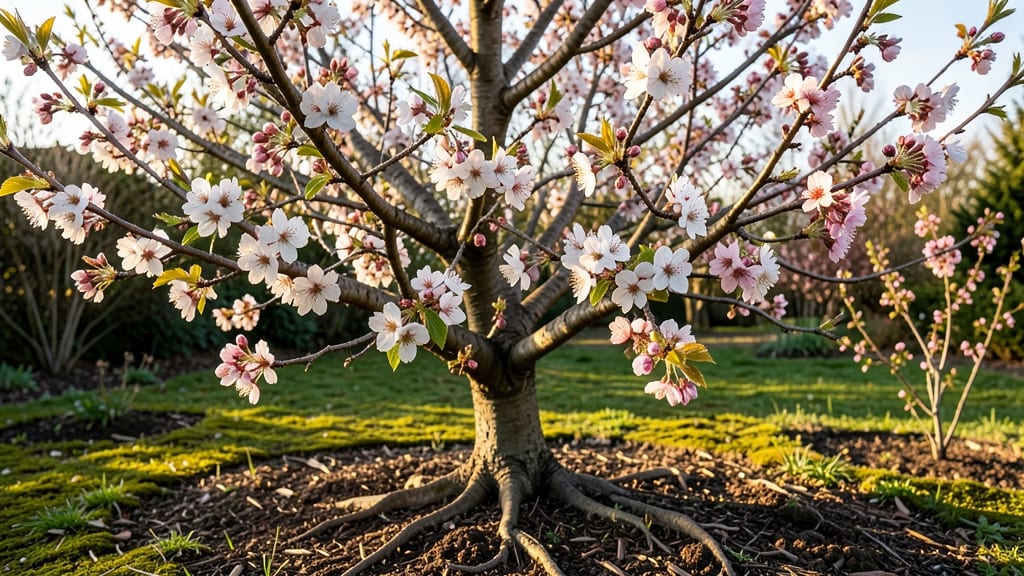
Cherry trees flower in early spring, typically between March and May, but the exact timing depends on your variety and climate zone — and getting it wrong can mean no fruit at all.
Picture this: you’ve waited years for your 🍒 tree to bear fruit, only to wake up one morning and realize the blossoms are already gone. That’s the heartbreak of blooming too early or too late, and it happens more often than you’d think.
In USDA Zone 6a, like most of the Midwest, sweet cherries like Bing and Stella usually burst into bloom in late April, while tart varieties like Montmorency might start a week or two earlier.
But move just a few zones south, and those same trees could flower in February or March, leaving them vulnerable to late frosts.
Below, I break down the exact months for your variety, how to adjust for your local climate, and the 3 key factors that can shift blooming by weeks—so you can time your pruning, protect your blossoms, and finally get that harvest you’ve been dreaming of.
Cherry tree flowering timeline by variety: exact months for sweet vs tart cherries
Understanding your cherry tree's flowering window is key to maximizing fruit production. Sweet cherries like Bing and Stella bloom earlier than tart varieties such as Montmorency, while regional climate shifts these dates by 2-4 weeks.
Let's break down the exact months for popular varieties so you can plan pollination and pruning with precision.
Most cherry trees need 500-1,000 chilling hours below 45°F (7°C) to trigger blooms. Early bloomers like Lapins may flower as soon as late March in warm zones, while late varieties like Stella wait until mid-April.
Tart cherries generally bloom 1-2 weeks later than sweet varieties, giving you a staggered harvest season.
🌱