
Blooming
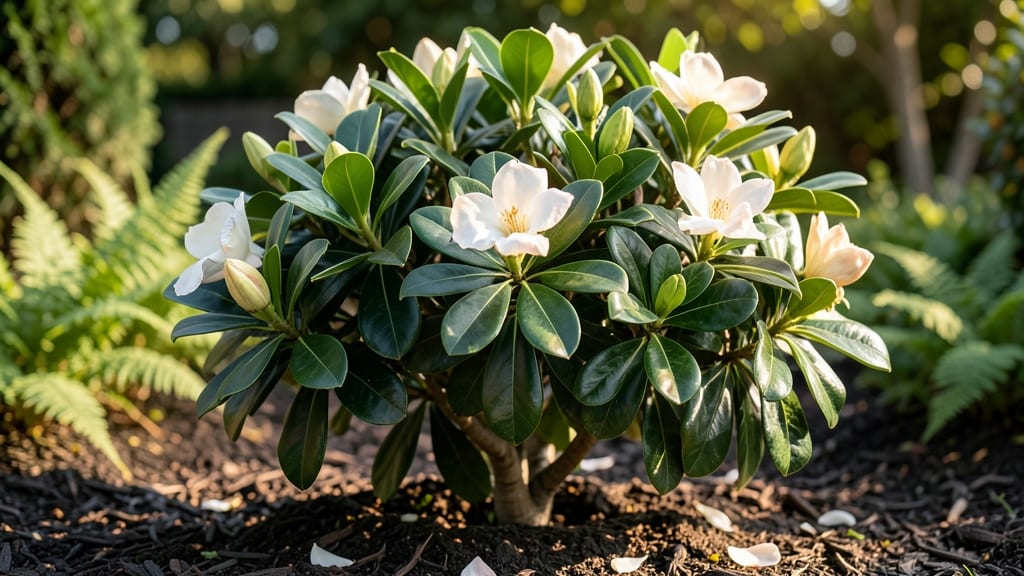
Gardenias flower in late spring to summer, with blooms that can last from June through September if conditions are right — but timing depends on your zone and variety.
If you’ve ever wondered why your gardenia shrub isn’t blooming—or when to expect those intoxicating white flowers—timing is everything. Gardenias flower at different times depending on your USDA zone and the variety, making this seasonal guide your essential roadmap for year-round success.
In Zone 6a and cooler regions, gardenias often wait until late May or June to burst into bloom, while warmer zones like 8-11 may see flowers as early as April.
The key to extending that fragrant display? Pruning after flowering, feeding with acid-loving fertilizer, and keeping them in bright, indirect light.
Below, I’ll break down the best blooming windows by zone, the top varieties for your climate, and the simple care tweaks that can turn a single flush of flowers into a season-long spectacle.
Gardenia flowering seasons by USDA hardiness zones
Gardenias are famous for their fragrant white blooms, but their flowering windows vary dramatically across USDA zones 7-11. In cooler zones (7-8), gardenias often bloom in late spring to early summer when temperatures rise above 60°F consistently.
Meanwhile, in warmer zones (9-11), they may flower year-round with peak seasons in spring and fall. Understanding these patterns helps you time care properly and avoid common issues like bud drop.
The key factor is temperature sensitivity. Gardenias are frost-sensitive but also heat-loving—they need warm days but cool nights to set buds. In Zone 7, expect blooms after last frost (mid-April), while Zone 11 gardenias may flower twice a year.
Let’s break down the exact blooming windows by zone so you can plan your garden accordingly.
Notice how Zone 7 gardenias have just one primary bloom in late spring, while Zone 11 varieties flower twice a year. This difference comes from temperature consistency—warmer zones provide ideal conditions year-round, while cooler zones force a dormant period.
If you’re in Zone 8-9, you’ll often see secondary blooms in fall, especially with ‘Kleim’s Hardy’ varieties.
Early-spring bloomers (like ‘Radicans’) thrive in Zones 9-11 and may start flowering as early as January. These varieties are heat-tolerant and humidity-loving, making them perfect for southern gardens. In contrast, late-spring bloomers (such as ‘Veitchii’) wait until April-May in cooler zones to avoid late frost damage.
The biggest mistake gardeners make is assuming all gardenias bloom at the same time. In reality, climate and variety dictate timing. For example, my Zone 9 gardenia blooms in March and September, while a friend’s Zone 7 plant only flowers in June.
To encourage longer blooming seasons, focus on consistent moisture and acidic soil (pH 5.0-6.5)—both critical for bud development.
If you live in Zone 7-8, protect your gardenias from late spring frosts by placing them near south-facing walls or using frost cloth. In Zones 9-11, watch for bud drop during hot summer afternoons—this happens when <
Top 5 gardenia varieties and their unique flowering times
Not all gardenias bloom at the same time, and their flowering seasons can vary dramatically based on the cultivar. If you’re dreaming of fragrant white blooms, knowing which variety thrives in your USDA zone and when to expect them is key.
Some varieties burst into bloom in early spring, while others wait until late summer, offering year-round fragrance potential with the right choices.
From the hardy 'Kleim’s Hardy' that tolerates cooler climates to the tropical 'Veitchii' with massive blooms, each gardenia variety brings something special. I’ve selected the top 5 gardenia varieties based on their unique flowering times, fragrance intensity, and care requirements to help you plan your garden’s scent calendar.
The 'Kleim’s Hardy' gardenia is a standout for gardeners in cooler climates (zones 7-10), as it blooms earlier in the season—typically from late May to early July. Its moderate fragrance and cold tolerance make it a reliable choice, but it needs well-draining soil to prevent root rot.
For maximum blooms, I recommend fertilizing with an acid-loving plant food in early spring.
If you crave longer blooming seasons, the 'Radicans' variety is a game-changer. This climbing gardenia bursts into mid-summer to fall with jasmine-like fragrance that fills the air. To encourage its best performance, plant it in a humid, shaded spot and mulch heavily to retain moisture.
Its vining habit also makes it perfect for trellises or fences.
For tropical enthusiasts, the 'Veitchii' gardenia delivers massive, highly fragrant blooms from early to late summer. However, it’s frost-sensitive, so gardeners in zones 10-11 should grow it as an annual or container plant.
To keep it blooming, I prune lightly after each flush of flowers and avoid overwatering, as soggy soil can cause bud drop.
Looking for a low-maintenance option? The 'Fortuniana' gardenia is a dwarf variety that blooms from late spring to early fall, making it ideal for containers or small gardens.
Its sweet, moderate fragrance pairs well with other shrubs, and it thrives in partial shade. Just remember to keep the soil consistently moist but never waterlogged.
Finally, the 'Mystery' gardenia is a thornless beauty that blooms from summer to early fall, producing creamy white flowers with a strong scent. This variety is perfect for hedges or foundation plantings because of its neat growth habit.
To maximize its blooms, I shear it lightly after flowering and ensure it gets bright, indirect light.
With these top 5 gardenia varieties, you can create a fragrant garden calendar that spans from spring to fall.
Choose based on your climate, space, and fragrance preferences, and don’t forget to adjust care based on each variety’s unique needs—your garden will thank you with year-round blooms! 🌸🌿