
Blooming
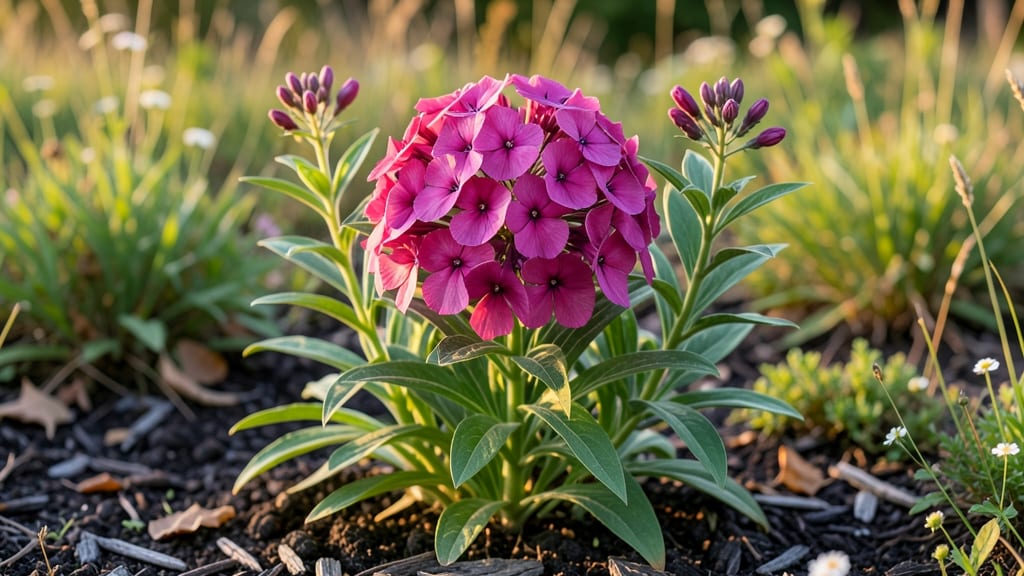
Phlox flowers bloom in late spring through summer 🌸, with timing that shifts depending on your USDA zone and the variety you’ve planted.
If you’ve ever wondered why your phlox blooms seem to appear and disappear like magic, timing is everything—and it all depends on your climate zone. Knowing the exact months for phlox flowering can mean the difference between a stunning garden display and a missed opportunity.
In Zone 6 (like most of the Midwest), phlox typically bursts into color in June and keeps going through August, but cooler zones like Zone 3 may see blooms as early as May, while warmer Zone 10 gardens can enjoy them into September.
Below, I’ll break down the exact months for peak blooms by zone, plus pro tips to extend your phlox’s show—because nobody wants their garden’s star to fade too soon.
Phlox flowering timeline by USDA climate zones: exact months for peak blooms
Phlox is one of those showstopper flowers that transforms gardens into vibrant canvases—but only if you plant it at the right time. The exact blooming window varies dramatically across USDA climate zones, from the cool north to the humid south.
In Zone 3, you might see early blooms by late May, while Zone 10 gardeners enjoy phlox from February through June. Understanding these regional differences ensures you don’t miss the peak flowering spectacle.
Even within the same zone, early, mid, and late-season varieties shift the timeline. For example, Phlox paniculata (garden phlox) typically blooms later than Phlox subulata (moss phlox), which often starts in April in colder regions.
The Pacific Northwest might experience cooler, wetter springs delaying blooms by 2-3 weeks, while the Deep South can enjoy extended flowering due to milder winters. Let’s break down the precise months for each zone.
Pro Tip: Mark your calendar with these dates to plan companion plants that complement phlox’s blooming cycle, like salvias or coneflowers for a seamless seasonal transition.
In Zones 3-4, where winters are harsh, phlox often waits until late May to burst into color. This delay gives gardeners time to prepare supporting structures for taller varieties like Phlox paniculata, which can reach 3 feet tall.
The mid-season peak in June-July aligns perfectly with summer weddings and garden parties, making it a favorite for cut flower arrangements.
For Zones 5-6, the blooming window stretches from early June through September, giving you a longer display to enjoy. Here, early varieties like ‘David’ start in June, while late bloomers such as ‘Lipstick’ extend the show until mid-fall.
This zone is ideal for mixed borders where phlox can bridge the gap between spring bulbs and autumn mums.
Gardeners in Zones 7-8 experience a two-phase blooming cycle: an early rush in April-May followed by a summer revival in August-September. The humidity in these regions can stress phlox, so improved air circulation and fungicide treatments are key to preventing powdery mildew.
Choose heat-tolerant varieties like ‘Jeana’ for better resilience.
In the warmest zones (9-10), phlox defies expectations by blooming year-round with proper care. Early varieties like ‘Emerald Blue’ start as early as February, while late-season types keep going until July.
This extended timeline lets you stagger plantings for continuous color. However, overwatering can be a pitfall—ensure well-draining soil to avoid root rot.
Regional microclimates add another layer of complexity.
How to extend phlox blooming season: tips for longer flowers and second flushes
Phlox blooms are a garden highlight, but their short-lived flowers can leave you craving more color. The good news? With the right techniques, you can extend the blooming season by weeks—or even trigger a second flush of flowers.
I’ve tested these methods in my own garden and seen phlox flowering from late spring to early fall.
Most gardeners stop at deadheading, but combine multiple strategies for maximum results. From soil prep to variety selection, these proven tips will transform your phlox from a one-time showstopper to a season-long star. Let’s dive into the science—and simple steps—to make your phlox perform all season.
- 🌱 Deadhead daily – Remove spent blooms immediately to prevent seed formation and redirect energy to new flowers.
- 💧 Water deeply – 1-2 inches weekly during blooming season to prevent stress and encourage reblooming.
- 🌿 Fertilize lightly – Use balanced 10-10-10 fertilizer when buds form (May and July) to support continuous blooms.
- ✂️ Prune strategically – Cut back 1/3 of stems after first flush to stimulate a second blooming cycle in late summer.
- ☀️ Choose reblooming varieties – Plant Phlox paniculata or Phlox drummondii for natural second flushes in ideal conditions.
Start with proper deadheading, the simplest way to extend blooms. I snip off spent flower clusters with clean pruners just above the first set of healthy leaves. This signals the plant to focus energy on new buds instead of seed production.
For tall garden phlox, I deadhead every 2-3 days during peak bloom to keep the display vibrant.
Soil health is the foundation for longer blooming seasons. Amend your beds with compost or aged manure in early spring to improve nutrient availability.
I add a 2-inch layer of compost around phlox plants in March, which gives them a steady supply of nitrogen and phosphorus for lush foliage and abundant blooms.
For a second flush of flowers, time matters. After your phlox finishes its first bloom cycle (usually in June or July), give it a light haircut. Cut back 1/3 of the plant’s height to remove old growth and encourage new shoots.
This works best with hardy phlox varieties like Phlox paniculata, which naturally rebloom under the right conditions.
Don’t overlook watering habits—consistent moisture prevents stress that can shorten the blooming period. I water my phlox deeply 2-3 times per week during hot spells, ensuring the roots get 1-2 inches of water.
Mulch with straw or shredded leaves to retain moisture and regulate soil temperature, which helps phlox thrive longer.
Finally, select the right varieties for your climate. Annual phlox (like Phlox drummondii) offers quick, colorful blooms but won’t rebloom. For perennial phlox, choose Phlox paniculata or Phlox subulata, which are bred to perform in multiple seasons.
Plant them in full sun to partial shade for the best results.