
Blooming
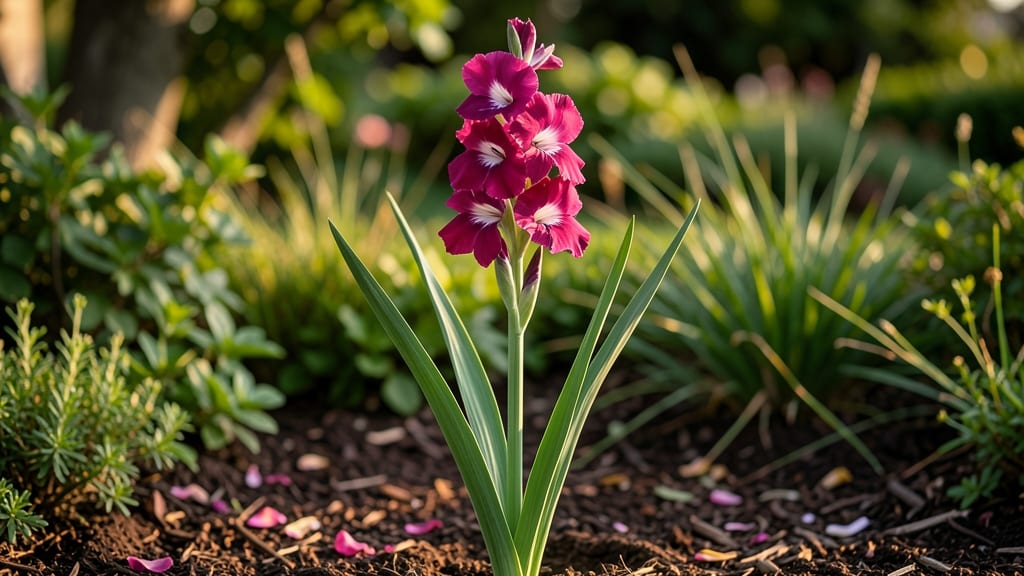
Your gladiolus flowering season depends entirely on where you garden — in Zone 6a, those dramatic 🌸 spikes arrive between July and September, but shift dramatically in warmer or cooler climates.
If you’ve ever wondered why your gladiolus blooms arrive late—or why some neighbors’ plants flower months earlier—your USDA zone holds the answer. Timing these striking summer flowers perfectly ensures a dazzling display, but the exact months vary dramatically across regions.
For example, in temperate zones like 6a, cooler springs delay blooms until late summer, while tropical climates push them into early fall. Even a two-week difference in planting can shift your peak by a month.
Below, I’ll break down the exact months by zone, share tricks to extend your season, and recommend varieties that defy typical timelines—so you can enjoy those bold blooms for as long as possible.
Gladiolus flowering season by USDA Zone: exact months for peak blooms
Gladiolus flowers thrive on precise timing, and their blooming windows shift dramatically depending on your USDA zone. Whether you're in the chilly Zone 3 or the balmy Zone 11, understanding these patterns lets you plan for a stunning summer display.
The key? Daylight hours and soil temperatures trigger blooms, but planting time also plays a critical role.
In cooler northern zones, gladiolus typically bloom mid-to-late summer, while southern gardeners enjoy spring or early summer flowers. For example, Zone 5 gardeners often see peak blooms in July-August, while Zone 9 varieties may start as early as May-June.
Let’s break down the exact months for each zone to help you schedule your planting for maximum impact.
In Zones 3-4, the shorter growing season means gladiolus need a head start. Plant corms in early May to ensure blooms arrive by late July. Varieties like ‘Picasso’ are ideal for cooler climates, as they tolerate lower temperatures better than heat-sensitive types.
For Zones 5-6, the golden window for planting is April-May, with blooms peaking in July-August. This is the classic summer flowering season for gladiolus, and varieties like ‘Black Star’ thrive here.
Stagger planting dates by 2-3 weeks to extend your bloom time from early July to late August.
Gardeners in Zones 7-8 enjoy a longer flowering season, often from June to August. The warmer climate allows for earlier planting in March-April, and heat-tolerant varieties like ‘Red Beauty’ perform exceptionally well.
If you plant in successive batches, you can enjoy blooms from late May through September.
Southern gardeners in Zones 9-10 have the advantage of spring blooms, with many varieties flowering as early as May. Plant corms in January-February to catch the cooler winter temperatures and avoid summer heat stress. ‘Orange Star’ is a top pick for these zones, offering vibrant color and resilience.
In Zone 11, the mild winter climate allows for year-round planting, but the best time to plant is October-November for spring blooms. Varieties like ‘Yellow Hammer’ thrive in these conditions, producing stunning flowers from April to June.
Avoid planting in summer months, as the intense heat can stress the corms.
To maximize your gladiolus flowering season, pay attention to soil temperature and
How to extend your gladiolus flowering season with smart planting
To stretch your gladiolus flowering season beyond the typical 4-6 week window, start with staggered planting. Instead of planting all corms at once, divide them into three batches spaced 2-3 weeks apart. This creates a rolling bloom effect, ensuring fresh flowers every 10-14 days.
For example, in Zone 6a, plant your first batch in late April, the second in mid-May, and the last in early June. Each batch will bloom sequentially, extending your display from July through September.
For earlier blooms, try indoor sprouting in late winter. Plant corms in pots with sandy soil and place them under grow lights (14 hours/day) to simulate spring. Transplant outdoors 4-6 weeks before your last frost—these early starters often bloom 3-4 weeks ahead of traditional plantings.
In warmer climates (Zones 8-11), focus on shade protection during peak heat (10 AM–4 PM). Use lightweight shade cloth (30-50%) to prevent heat stress, which can shorten bloom time by up to 50%. Pair this with drip irrigation to keep soil evenly moist.
Finally, cut spent blooms but leave the lower leaves intact. This redirects energy to corm development, ensuring next year’s plants will bloom even earlier. With these tricks, you’ll enjoy gladiolus blooms for 8-12 weeks—not the typical 4!