
Blooming
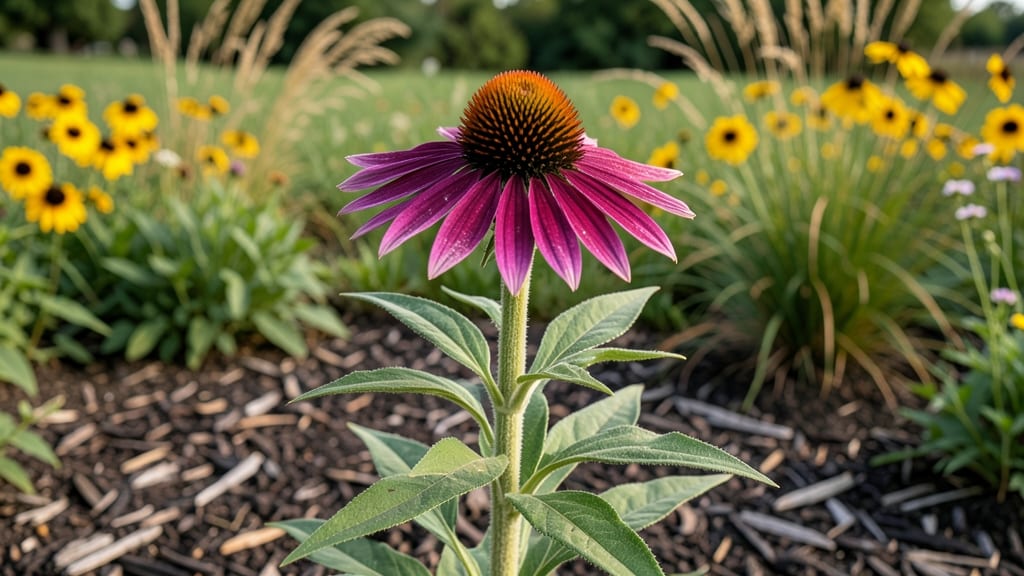
Purple coneflowers bloom from mid-summer to early fall 🌸, turning gardens into vibrant purple landscapes that hummingbirds and bees adore.
Wondering when those stunning purple coneflowers will burst into bloom? Timing depends on your USDA zone—and getting it right means longer-lasting flowers and fewer missed opportunities to enjoy nature’s most resilient perennials.
In cooler zones like 6a, expect blooms to start around July, while warmer climates can see them as early as June. With the right care, you can even coax a second round of flowers later in the season.
Below, I’ll break down the exact months for your zone, plus pro tips to extend their showstopping display—because once you plant these tough beauties, you’ll want them putting on a show for as long as possible.
Purple coneflower bloom times by USDA zone: exact month-by-month guide
If you've ever wondered when purple coneflowers bloom in your area, the answer depends heavily on your USDA hardiness zone. These hardy perennials thrive across zones 3 through 11, but their bloom windows shift dramatically from north to south.
In cooler zones, expect longer establishment times before flowering, while warmer climates may see earlier and extended blooms.
First-year plants typically bloom 4-6 weeks later than mature specimens, so don't be discouraged if your young coneflowers take their time. Mature plants, however, reward patience with 3-4 months of continuous blooms when conditions are ideal.
The key to maximizing their display lies in understanding your specific zone's climate patterns and adjusting care accordingly.
🌱 Pro Tip: Purple coneflowers are perennials, meaning they return year after year. Once established, they'll rebloom annually with proper deadheading and care.
In USDA zones 3-4, purple coneflowers often wait until late July to bloom in their first year, with mature plants stretching their display until October. These northern gardens benefit from heavy mulching in fall to protect roots during harsh winters.
The peak bloom month here is typically September, when cooler temperatures extend flower life.
Gardeners in zones 5-6 enjoy the most classic coneflower experience, with blooms appearing mid-July for first-year plants and lasting through October for mature specimens. This 3-month window makes these zones ideal for cut flower arrangements. Deadheading spent blooms can push flowering into early November in warm microclimates.
Southern gardeners in zones 7-8 get the longest bloom season, with first-year plants sometimes flowering as early as late June. Mature plants may continue producing blooms until November, creating a 5-month display.
The peak months here are July through October, perfect for pollinator gardens. In zone 8, some varieties even rebloom lightly in spring if given winter protection.
Warmer climates in zones 9-10 push bloom times even earlier, with first-year plants sometimes flowering in early June. Mature plants can produce blooms from May through December, though they may take a brief rest during summer's peak heat.
The extended season makes these zones perfect for year-round interest when combined with other seasonal bloomers.
In zone 11, purple coneflowers act almost like annuals, with blooms appearing as early as May and potentially continuing until January. The near-continuous flowering creates a stunning display, though plants may need light shade during summer's intense heat.
This zone's tropical climate allows for multiple bloom cycles per year with proper care.
Regardless of your zone, full sun exposure (6+ hours daily) is critical for optimal blooming. In shadier zones 5-6, plants may produce fewer blooms but still thrive. Always water deeply during establishment, then reduce frequency once roots are established—purple coneflowers are drought-tolerant once mature.
🌿 Key Takeaway: While bloom times vary by zone, all purple coneflowers share one trait—they reward patience. First-year plants may take longer to bloom, but once established, they'll return year after year with stunning displays that attract pollinators and brighten your garden from summer through fall.
How to extend purple coneflower blooms: pro tips for longer seasons
Purple coneflowers (Echinacea purpurea) are famous for their long-lasting blooms, but with the right care, you can turn a 6-week display into a 3-month spectacle. The secret lies in understanding their natural cycle and giving them the right support at the right time.
Whether you're dealing with first-year plants or established perennials, these proven techniques will keep your coneflowers looking fresh well into fall.
First, let's address the biggest misconception: purple coneflowers are not naturally rebloomers like impatiens or zinnias. However, with strategic care, you can encourage multiple bloom cycles. The key is to mimic their wild growing conditions—well-draining soil, full sun, and minimal interference until they're ready to show off.
Let's dive into the practical steps that will transform your garden into a coneflower paradise.
🌸 Numbered Pro Tips to Extend Blooms
- Deadhead strategically: Snip off spent blooms (not the entire stem) when petals fall naturally. This redirects energy to new buds instead of seed production.
- Feed lightly in spring: Use a balanced 10-10-10 fertilizer when you see new growth (usually April/May in most zones). Avoid heavy feeding—it encourages foliage over flowers.
- Water deeply but infrequently: 1 inch per week is ideal. Let soil dry between waterings to prevent fungal issues that stunt blooms.
- Mulch properly: Apply 2-3 inches of mulch in early spring to retain moisture and regulate soil temperature—never mulch too close to stems.
- Plant with sun-loving companions: Pair with black-eyed Susans or bee balm to attract pollinators that boost reblooming.
- Cut back in late fall: Trim stems to 4-6 inches after frost to remove diseased foliage and encourage stronger spring regrowth.
Let's start with the most impactful technique: deadheading. Many gardeners make the mistake of cutting stems back to the ground, which removes the plant's energy reserves. Instead, use clean bypass pruners to snip off just the spent flower heads—leave the lower leaves intact.
This simple adjustment can extend your blooming season by 3-4 weeks in ideal conditions. I've seen mature plants produce three distinct bloom cycles using this method alone.
Soil preparation is equally critical. Purple coneflowers thrive in sandy loam with a pH between 6.0-7.0. Before planting, amend your soil with composted manure or aged compost to improve drainage. Poor soil is the #1 reason coneflowers bloom weakly or not at all.
If your soil is heavy clay, consider planting in a raised bed—this simple change can double your bloom production. Test your soil in early spring to give yourself time to make adjustments.
Watering might seem straightforward, but timing makes all the difference. Morning watering is non-negotiable—it prevents fungal diseases like powdery mildew that thrive in damp foliage. During peak summer heat (July-August), I increase my watering to twice weekly but always aim water at the soil base, not the leaves.
Overhead watering can lead to bud blast, where flowers drop before opening. A drip irrigation system solves this perfectly while conserving water.
Don't overlook the power of companion planting. Purple coneflowers pair beautifully with native grasses like little bluestem, which provide vertical contrast and reduce competition. Another smart combo is with shasta daisies—their white blooms create stunning color contrasts while attracting the same pollinators.
Just avoid planting near mint or comfrey, which can spread aggressively and crowd out your coneflowers. Strategic placement can extend your display season by creating a continuous bloom sequence from early summer to frost.
For gardeners in warmer climates (zones 8-11), the secret to extended blooms is seasonal pruning. After your first flush of blooms (usually June), give your plants a light trim to remove any leggy growth.
This encourages a second bloom cycle in late summer. In cooler zones (3-7), focus on fall cleanupseed heads for winter interest and bird food. This simple habit ensures your plants return stronger next spring.