
Blooming
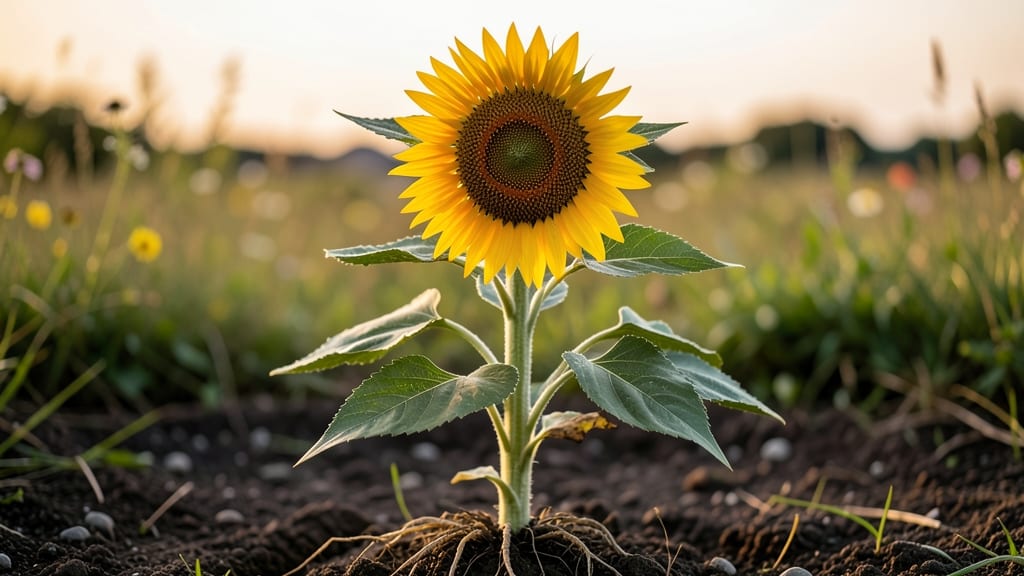
Sunflowers in Illinois typically bloom between mid-July and early September, with the exact timing depending on when you plant and your region’s last frost date.
If you’ve ever dreamed of a sunflower-studded Illinois landscape but missed the blooming window, timing is everything—especially when growing in the state’s diverse climate zones.
Most gardeners in USDA zones 5-6 plant seeds after the last frost (usually late April to early June), which means blooms arrive just in time for summer’s peak.
Below, I’ll break down the month-by-month timeline by region, plus tips to adjust care for earlier or later blooms based on your local weather patterns.
Sunflower blooming timeline in Illinois by USDA hardiness zones
Sunflowers in Illinois thrive in USDA zones 5a-6b, with blooming windows that shift based on your specific region. Whether you're in northern Illinois (Zone 5a) or southern Illinois (Zone 6b), understanding these timelines ensures you'll enjoy vibrant blooms from mid-July to early October.
In my experience, the key to successful sunflower blooming lies in planting after the last spring frost—typically late April to early June—while accounting for your local microclimate.
Northern regions like Chicago (Zone 5b) often see earlier blooms than southern areas like St. Louis (Zone 6a), thanks to cooler temperatures.
Here’s how to plan for sunflower blooms across Illinois’ five key regions, including annual vs. perennial varieties and frost-sensitive tips:
| USDA Zone | Last Frost Date | Planting Window | Bloom Timeline | First Frost Risk | Best Varieties |
|---|---|---|---|---|---|
| Zone 5a (Northern IL) | May 10 | Late May - Early June | Late July - Mid-Sept | Oct 10 | 'Teddy Bear' (dwarf), 'Autumn Beauty' |
| Zone 5b (Chicago Area) | April 25 | Late April - May 15 | Early July - Early Oct | Oct 5 | 'Moulin Rouge' (early), 'Russian Giant' |
| Zone 6a (Central IL) | April 15 | Early April - May 10 | Mid-June - Late Sept | Oct 20 | 'ProCut' (cut flowers), 'Sunspot' |
| Zone 6b (Southern IL) | March 25 | Late March - April 30 | Late June - Early Oct | Oct 25 | 'Evening Sun' (long-lasting), 'Sunflower 'Lemon Queen' |
For annual sunflowers, plant seeds 1 inch deep and 6 inches apart—they’ll bloom faster than perennials but require replanting yearly. Perennials like 'Sunflower 'Maximilian' (native to Illinois) return each year but may take 2-3 years to reach full bloom.
In Zone 5a, I recommend starting seeds indoors 4-6 weeks before the last frost to extend the blooming season. Use black plastic mulch to warm soil and protect tender seedlings from late frosts.
Southern Illinois gardeners (Zone 6b) can push the envelope by planting early varieties like 'Teddy Bear' as soon as soil thaws in March. These dwarf varieties bloom in 60-70 days, giving you a head start on summer color.
Watch for late summer heat waves—they can accelerate blooming in Zone 6b, while northern regions may see delayed blooms due to cooler June temperatures. Adjust watering to deep soaks every 5-7 days during droughts to maintain healthy stems.
Pro tip: Mark your calendar for September 1 in all zones—this is when I start harvesting seed heads for next year’s garden. Let them dry on the stalk or cut and hang upside down in well-ventilated bundles.
🌻
How Illinois weather affects sunflower blooming times
Illinois’ diverse climate zones and unpredictable weather can dramatically shift when your sunflowers bloom. While most varieties follow a mid-July to September schedule, temperature swings and humidity shifts often push blooms earlier or later.
For example, Chicago’s lake-effect can create cooler summers that delay blooms by 2-3 weeks, while St. Louis’ warmer microclimate might trigger earlier flowering. Understanding these regional quirks helps you adjust planting times for perfect summer displays.
⚠️ callout warning
Sunflowers planted too early may sprout with late spring frosts (common in Zone 5a), stunting growth. Wait until soil reaches 60°F—use a soil thermometer—or risk delayed blooms by 4-6 weeks.
Humidity plays a surprising role too. High humidity (like in Southern Illinois) can cause powdery mildew, weakening plants and pushing blooms 10-14 days later. Conversely, dry conditions near Peoria may accelerate flowering by 1-2 weeks.
To combat these issues, I recommend staggered planting: Sow half your seeds in late May and the rest in early June. This ensures blooms across July and August, even with weather delays.
For Chicago gardeners, choose early-maturing varieties like ‘Autumn Beauty’ (70-80 days to bloom) to beat the city’s cooler summers. In St. Louis, opt for taller varieties like ‘Russian Giant’ to capitalize on the longer growing season.
Finally, mulch heavily to stabilize soil temps—this can advance blooms by 5-7 days in unpredictable zones. Monitor local NOAA forecasts for heat waves, which can shock plants and delay flowering.