
Flowers
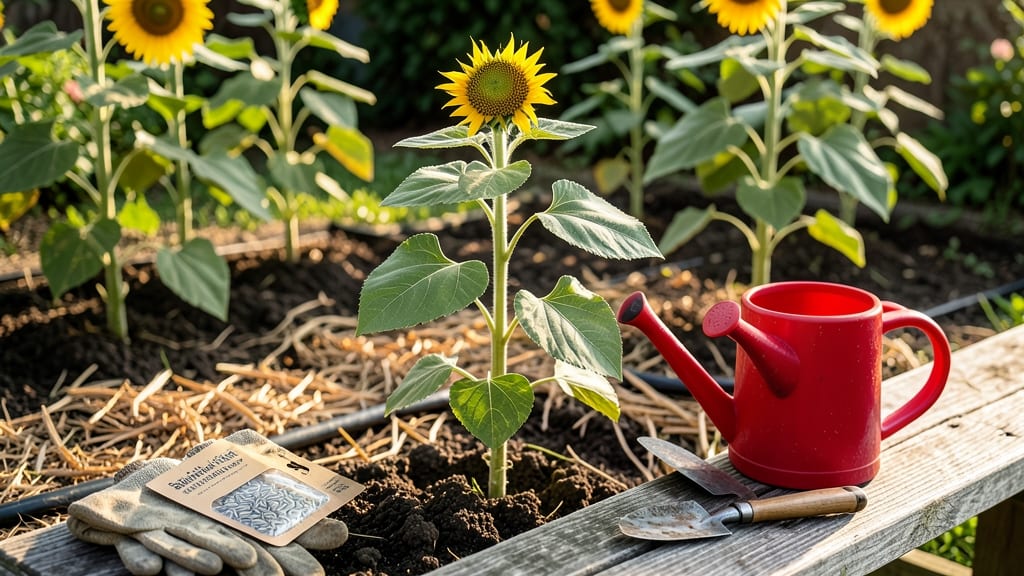
Planting sunflowers in Florida at the right time means taller stalks, bigger blooms, and heat-resistant varieties that thrive in your 8a-11 zones.
Skip the timing, and you’ll end up with sunflowers that wilt before they even open—or worse, bolt too fast in the summer heat. The key is planting them just as the heat ramps up, not before it arrives.
North Florida gardeners should aim for March or April, while Central and South Florida can start as early as February. The goal? Let those 🌻 seeds germinate in cooler soil before the real heat sets in.
Below, I’ll break down the exact months by region, the best heat-tolerant varieties for Florida, and how to keep your sunflowers blooming all summer long—without them turning into crispy stalks.
Best planting months for sunflowers in Florida’s climate zones
Florida’s diverse climate zones—from North Florida’s cooler winters to South Florida’s frost-free summers—create unique planting windows for sunflowers. Timing matters because extreme heat stress can stunt growth or cause premature wilting.
The key is planting when soil temperatures stay above 50°F (10°C) and avoiding the dog days of summer when temperatures often exceed 95°F.
Sunflowers thrive in Florida’s long growing season, but their heat tolerance varies by variety. Most commercial varieties struggle when daytime highs hit 90°F+ consistently. That’s why I focus on spring and fall planting to maximize bloom potential.
In North Florida (Zones 8a-9a), frost is still a risk, while South Florida (Zones 10a-11) can plant year-round with minimal stress.
Here’s the exact breakdown of when to plant sunflowers across Florida’s climate zones, accounting for frost dates, heat stress, and regional microclimates:
In North Florida, where frost can still occur until mid-January, I recommend waiting until March 1 to plant sunflowers. This gives the soil time to warm up to at least 50°F (10°C), which is critical for germination.
The Panhandle region follows a similar schedule but may experience slightly earlier frosts, so I adjust planting to March 15 for added safety.
Central Florida’s warmer winters allow for earlier planting, with February 15 being the ideal start date. However, by May, temperatures often climb above 90°F, which can stress sunflowers. That’s why I avoid planting after March 30 in this zone unless using heat-tolerant varieties like 'Moulin Rouge'.
For South Florida, the frost-free climate means sunflowers can be planted year-round, but the intense summer heat (often exceeding 95°F) makes timing critical. I focus on January-February for spring blooms or September-October for fall harvests.
In these zones, dwarf varieties like 'Teddy Bear' perform best under shade cloth during peak summer.
Florida’s microclimates also play a role. Coastal areas near Tampa or Miami may experience slightly cooler temperatures due to ocean breezes, extending the planting window by 2-3 weeks compared to inland regions.
Always check your local frost dates and monitor soil temperatures with a soil thermometer for the most accurate planting window.
Pro tip: If you miss the spring window, don’t despair! Sunflowers are fast-growing annuals that can be planted again in late summer (August-September) for fall blooms. Just be prepared to provide extra shade and consistent watering during Florida’s hottest months.
With the right timing, you’ll enjoy vibrant blooms from June through November!
Top heat-tolerant sunflower varieties for Florida gardens
Florida’s intense heat and humidity can challenge sunflowers, but the right varieties thrive in these conditions. Heat-tolerant sunflowers like ‘Moulin Rouge’ and ‘Autumn Beauty’ not only survive but produce stunning blooms year-round.
These varieties boast drought resistance and high heat tolerance, making them perfect for Florida’s USDA Zones 8-11. Whether you want towering giants or compact cut flowers, there’s a variety that fits your garden’s needs.
When selecting sunflowers for Florida, prioritize quick-maturing varieties to avoid summer’s extreme heat stress. ‘Russian Giant’ reaches 12-16 feet but may struggle in peak summer, while ‘Teddy Bear’ (3-4 feet) handles heat better. Bloom time also varies—some flower in 60-70 days, while others take 90+ days.
Pairing the right variety with proper planting timing (March-April for most regions) ensures vibrant displays.
Sunflower Variety Comparison
★★★★★4.6(13 reviews)