
Flowers
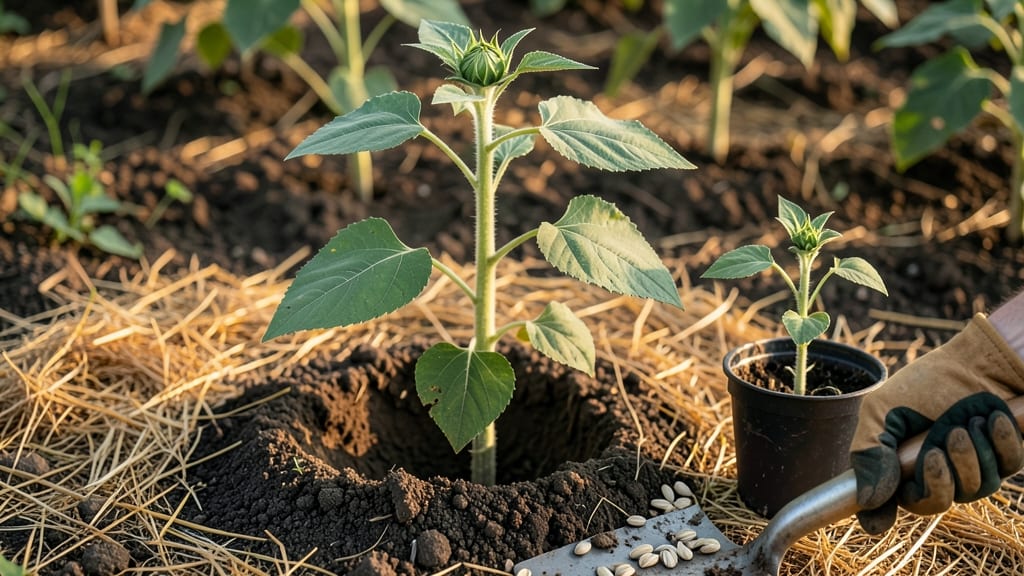
Plant sunflowers in Georgia between mid-March and early May for spring blooms or late July to early August for summer varieties, aligning with USDA Zone 8’s frost-free window.
Sunflowers in Georgia’s warm climate can reach towering heights and vibrant blooms—but planting them at the wrong time means wilting before they shine. Timing is everything, especially in USDA Zone 8, where heat and humidity demand precision for thriving sunflowers.
Whether you’re a first-time gardener or a seasoned grower, getting the timing right ensures your 🌻 sunflowers grow strong and tall, not bolted or stunted. The key is understanding Georgia’s microclimates and how they affect your garden’s specific conditions.
Below, I’ll walk you through the best planting months, soil prep, and variety choices to maximize your sunflower’s potential—so you can enjoy those golden blooms from late summer through fall.
Best planting months for sunflowers in Georgia’s USDA Zone 8
Georgia’s USDA Zone 8 offers two ideal windows for planting sunflowers, but timing depends on your microclimate. In northern Georgia (Atlanta area), cooler springs and earlier frosts shift your window slightly, while coastal areas (Savannah) enjoy longer growing seasons.
The key is avoiding late frosts and extreme summer heat that can stress young plants.
For spring planting, aim for mid-March to early May once soil temperatures reach 55°F (13°C). This gives sunflowers 100+ frost-free days to mature before Georgia’s first frost in mid-November. In late summer, plant late July to early August for a second harvest before winter arrives.
Regional adjustments matter. In Atlanta (Zone 7b-8a), wait until April 15 for spring planting to avoid late frosts, while Savannah (Zone 8b) gardeners can start as early as March 1. Coastal areas also benefit from humidity-resistant varieties like 'Moulin Rouge' or 'Autumn Beauty'.
| Planting Window | Best For | Soil Temp | Frost Risk | Notes |
|---|---|---|---|---|
| Mid-March to early May | Spring blooms | 55°F+ (13°C+) | Low (after March 15) | Best for tall varieties like 'Russian Giant' |
| Late July to early August | Fall harvest | 60°F+ (16°C+) | None | Choose heat-tolerant 'ProCut' for bouquets |
| May (coastal only) | Extended season | 65°F+ (18°C+) | Very low | Risk of bolting; use dwarf varieties |
If you miss the spring window, don’t despair—late summer planting yields stunning fall blooms. For Atlanta gardeners, July 15 is your cutoff to avoid 90°F+ (32°C+) heat stress on seedlings. In Savannah, you’ve got until August 1 thanks to milder coastal temperatures.
For early spring planting, start seeds indoors 2-3 weeks before last frost (use grow lights if natural light is limited). Transplant seedlings after soil warms—test with a soil thermometer to confirm 55°F (13°C).
In late summer, direct-sow seeds ½ inch deep in well-draining soil with compost added.
Adjust for microclimates: North-facing gardens stay cooler and may need 2 weeks later than south-facing beds. Urban areas with heat islands (like downtown Atlanta) can plant 1-2 weeks earlier than rural zones. Always check your local frost dates—the Georgia Climate Project offers free maps.
Pro tip: Mulch heavily after planting to retain moisture during Georgia’s dry springs or humid summers. Use straw mulch for spring plantings and wood chips for summer to prevent soil crusting. This simple step can double your success rate with sunflowers.
Remember, sunflowers thrive on heat—they’ll bolt (flower prematurely) if stressed by cool nights or overcrowding. Space seeds 6 inches apart and thin to 12 inches as they grow. In Zone 8, you can even try overwintering dwarf varieties like 'Teddy Bear' for early spring blooms.
🌻
How to time sunflower planting for maximum height and bloom size
Timing your sunflower planting in Georgia isn’t just about avoiding frost—it’s about giving your plants the perfect soil warmth and growing window to reach their full potential.
In USDA Zone 8, soil temperatures below 50°F (10°C) can stunt growth, while waiting too long risks bolting (premature flowering) before your sunflowers mature. The sweet spot? Plant when daytime temps consistently hit 60°F (15°C) or higher.
For tall varieties like 'Mammoth' or 'Russian Giant', aim for late April to early May—this gives them 100+ days of warm weather to grow 10+ feet tall. Shorter varieties like 'Teddy Bear' can handle late summer planting (July-August) for compact blooms before fall frost.
The key is matching your variety’s days to maturity with Georgia’s 210-day frost-free season.
- 1. Soil Temp Check: Use a soil thermometer—plant when soil reaches 55°F (13°C) at 2" depth. In Georgia, this typically aligns with mid-April for spring plantings.
- 2. Avoid Early Planting: Seeds sown in cold soil (<50°F) rot or take 2+ weeks to sprout. Wait until nighttime temps stay above 55°F to prevent stunting.
- 3. Companion Planting: Pair sunflowers with basil, marigolds, or borage to deter pests like sunflower moths and improve soil health. Avoid planting near potatoes or fennel, which compete for nutrients.
- 4. Late-Season Trick: For summer varieties, sow seeds in July-August near tall structures (like trellises or fences) to shield them from late summer heat and extend their growing window.
- 5. Indoor Start vs. Direct Sow: Start tall varieties indoors 4-6 weeks before last frost (late February) for a 2-week head start, but direct sowing works better for Georgia’s heat—just use black plastic mulch to warm soil faster.
If you’re growing heirloom varieties like 'Autumn Beauty' or 'Procutto', prioritize spring planting—these need longer daylight hours to develop their signature multi-colored blooms. For dwarf varieties, late summer plantings work well, but stake them early to prevent wind damage during Georgia’s summer thunderstorms.
Always plant seeds 1 inch deep and 6 inches apart to avoid overcrowding, which leads to weak stems and smaller blooms.
One of my biggest mistakes was planting Russian Giant sunflowers in early April—the cool nights slowed their growth, and by summer, they were still only 4 feet tall instead of the expected 12+ feet.
Since then, I’ve sworn by soil warming (using black plastic mulch) and waiting until late April for spring plantings. For summer varieties, I now plant in early August to give them 8-10 weeks of growth before frost.
To extend your sunflower season, try succession planting: Sow a second batch of seeds in early July for a late-summer harvest. Choose fast-maturing varieties like 'Little Becka' (50 days to bloom) to ensure they reach maturity before Georgia’s first frost in November.
Always water deeply at the base (not overhead) to prevent powdery mildew, a common issue in Georgia’s humid summers.
Remember, sunflowers are phototropic—they grow toward the sun. In Georgia’s intense summer light, this means their stems can become top-heavy and prone to lodging. For varieties over 8 feet tall, use stakes or cages early to support their rapid growth.
With the right timing and care, your Georgia sunflowers will reward you with vibrant blooms that turn heads—and maybe even attract pollinators like bees and butterflies all season long! 🌻