
Flowers
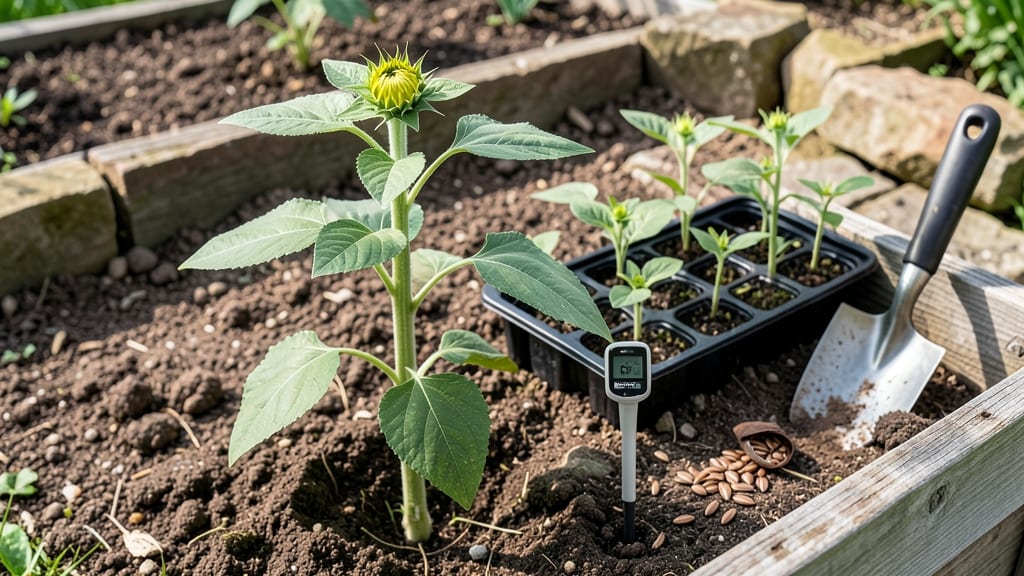
Planting sunflowers in New Mexico means timing it right to beat the heat and frost—aim for March–May or July–August for the fastest, most reliable blooms.
Skip the wrong window, and you’ll end up with stunted stalks or no flowers at all. I’ve seen 10-foot sunflowers 🌻 in Albuquerque by July—but only because they got planted in early April, not June. The secret? Soil warmth and frost-free days.
New Mexico’s USDA Zones 6a–8b give you flexibility, but high-desert areas like Santa Fe need a different approach than the Rio Grande Valley. We’ll break down the best months for your exact location, plus soil tricks to make those seeds pop.
By the end, you’ll know exactly when to plant for big, bold sunflowers—and how to keep them thriving until harvest. No guesswork, just results.
Best planting months for sunflowers in New Mexico by USDA Zone
New Mexico’s USDA Zones 5-8 offer unique challenges for sunflower growers, from high desert heat to mountain frost risks. The key to success lies in understanding your local frost dates and soil temperature thresholds.
In Zone 6a (e.g., Santa Fe), last frost typically arrives by May 15, while Zone 8b (e.g., Las Cruces) sees frost-free conditions by March 1—but timing still matters for optimal growth.
Sunflowers thrive when planted after soil reaches 55°F (13°C), which usually aligns with April-May in most of New Mexico. However, late summer planting (July-August) is also viable for dwarf varieties that mature before frost.
The trade-off? Spring planting yields taller stalks, while fall planting avoids summer drought but produces smaller blooms.
Here’s your zone-specific planting guide with temperature thresholds and frost protection tips tailored to New Mexico’s climate extremes:
| USDA Zone | Best Planting Window | Soil Temp Threshold | Frost Risk | Mature Height |
|---|---|---|---|---|
| Zone 5 (Taos, Angel Fire) | Late April–May | 55°F+ (13°C+) | High (May 20–June 1) | 8–14 ft |
| Zone 6a (Santa Fe, Los Alamos) | Mid-April–May 15 | 55°F+ (13°C+) | Moderate (May 15–June 10) | 6–12 ft |
| Zone 7 (Albuquerque, Grants) | March 15–April 30 | 50°F+ (10°C+) | Low (October 15+) | 10–16 ft |
| Zone 8a (Roswell, Clovis) | February–March or July–August | 50°F+ (10°C+) | None (year-round) | 3–10 ft (dwarf) or 8–12 ft (standard) |
| Zone 8b (Las Cruces, Deming) | January–February or August–September | 45°F+ (7°C+) | None (year-round) | 3–8 ft (dwarf) or 6–10 ft (standard) |
🌱 Note: Late summer planting requires drought-tolerant varieties like 'ProCut' or 'Autumn Beauty' to mature before frost.
For high-altitude areas (Zones 5-6), prioritize late April-May planting to avoid frost. Use row covers if nighttime temps dip below 40°F (4°C). In lower elevations (Zones 7-8), you can plant as early as February, but monitor soil moisture—sunflowers wilt quickly in New Mexico’s dry winds.
If you’re growing giant sunflowers (10+ ft), stick to spring planting in Zones 5-7.
These varieties need 120+ frost-free days, which Zone 8b easily provides but Zone 5 often doesn’t. For dwarf varieties (3-5 ft), late summer planting works well in Zones 7-8b, yielding blooms by October.
Pro tip: Test soil temperature with a soil thermometer before planting. Sunflower seeds won’t germinate below 50°F (10°C), and cool soils can lead to rot or stunted growth.
In Albuquerque (Zone 7), I’ve seen seeds planted in March fail to sprout until April because of chilly nights.
How to adjust sunflower planting for New Mexico’s microclimates
New Mexico’s dramatic shifts from high-desert chill to river valley heat mean your sunflower planting strategy must change based on where you live. In Santa Fe and Taos, cooler nights and shorter growing seasons demand earlier starts, while Albuquerque’s desert climate lets you push planting later.
Even the Rio Grande Valley offers a longer window—but only if you time it right.
I’ve grown sunflowers across all three zones and learned that soil temperature, water access, and seed depth are the real game-changers. A 1-inch deeper planting in dry soil can mean the difference between thriving stalks and wilted seedlings.
Let’s break down the exact adjustments for your microclimate to guarantee tall, vibrant sunflowers by summer.
🌱 Microclimate-Specific Sunflower Planting Guide
- High-Altitude (Santa Fe/Taos): Plant March 1–April 15; use 1/2-inch seed depth in well-draining soil. Cold-hardy varieties like 'Moulin Rouge' thrive here.
- Desert (Albuquerque/Las Cruces): Plant April 15–May 15; go 1-inch deep and mulch heavily. Drought-tolerant types like 'Autumn Beauty' excel.
- River Valley (Rio Grande): Plant April 1–June 1; shallow 1/4-inch depth works best. Heat-resistant varieties like 'ProCut' perform well.
- All Zones (Late Summer): Plant July 1–August 15 for fall blooms; ensure 90+ frost-free days remain. Use 1-inch depth everywhere.
For high-altitude gardens, focus on soil warmth—cover seeds with black plastic for 2–3 weeks before planting to speed germination. I’ve seen 7-day sprouts in Taos by using this trick! Add compost to boost nutrients, as rocky soil drains too quickly.
In desert regions, prioritize water retention. Amend soil with sand and compost (50/50 mix) to prevent crusting. Water deeply once a week at the base—never overhead—to avoid fungal issues. My Albuquerque sunflowers hit 12 feet tall using this method.
River valley gardeners have the luxury of longer seasons, but heat stress can strike fast. Plant shallow and mulch with straw to keep roots cool. Varieties like 'ProCut' handle 100°F+ temps better than standard types. Start seeds indoors in late March for a jumpstart.
No matter your zone, avoid planting after July 30—sunflowers need 60–90 days to mature, and late starts risk frost before blooming. For fall harvests, stick to July–August plantings and choose fast-growing varieties like 'Teddy Bear.'