
Blooming
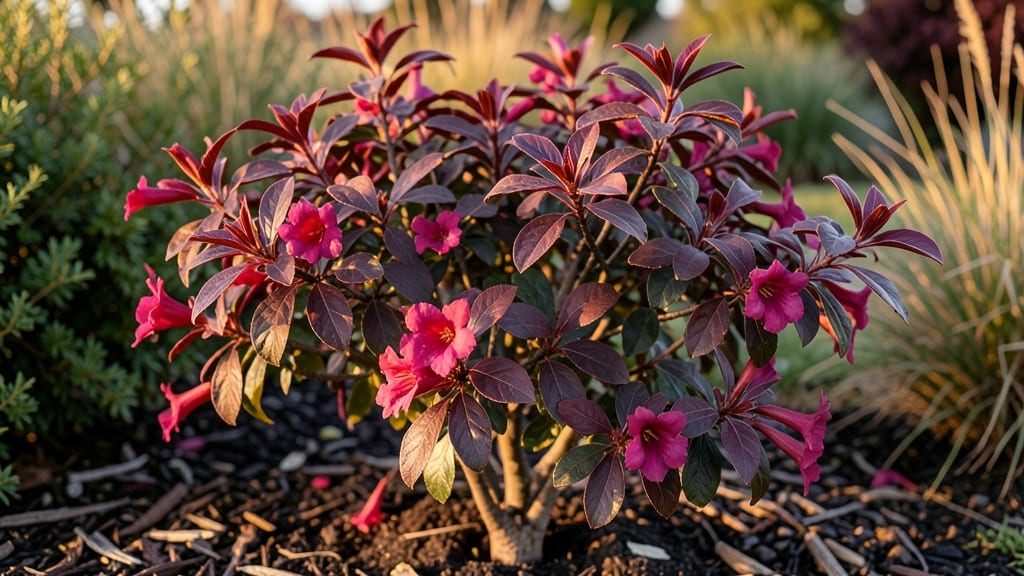
Weigela flowers bloom in late spring to early summer 🌸, with timing that shifts dramatically depending on your USDA zone.
If you’ve ever wondered why your Weigela plant seems to bloom at the wrong time—or not at all—understanding its flowering schedule by USDA zone could transform your gardening success.
In Zone 6a, for example, expect vibrant blooms from mid-May through June, while warmer zones like 8–9 may see flowers as early as April or even a second flush in fall.
This isn’t just about timing—it’s about planning. Plant companion species that thrive alongside Weigela’s bloom window, like catmint or bee balm, to create a pollinator-friendly display. And if your plant skips blooms entirely, the issue might be pruning too late, nutrient imbalances, or even last-frost surprises.
Below, I’ll break down the exact months Weigela flowers in your zone, plus pro tips to coax longer, brighter blooms—no guesswork required.
Weigela flowering months by USDA Zone: a state-by-state calendar
Weigela’s stunning trumpet-shaped flowers appear at different times across the U.S., making timing everything for garden planning. In Zone 4, expect blooms in late May, while Zone 9 gardeners often see flowers as early as March.
Understanding these windows helps you choose companion plants and troubleshoot delays—like late frosts or nutrient deficiencies—that can disrupt blooming.
Most Weigela varieties produce a primary bloom flush in spring, followed by a rebloom in late summer or fall—if conditions are right. Reblooming cultivars like 'Alexandra' and 'Wine and Roses' thrive in warmer zones (7–9), while hardier types like 'Midnight Wine' focus energy on one big spring show.
Below, I’ve mapped out exact months for each zone, plus regional tweaks to watch for.
In Zone 4–5, Weigela’s blooms often coincide with late spring’s first warm spell, typically after May 15. Gardeners in Michigan or upstate New York should watch for late frosts in April, which can delay flowering by 2–3 weeks.
Plant 'Cannonball' in a south-facing bed to capture early sunlight and encourage faster blooming.
Zones 6–7 see the most dramatic reblooming activity, with a second flush in late summer. In Tennessee or Virginia, 'Wine and Roses' often reblooms in August if pruned correctly after its first flush.
The key? Deadhead spent blooms in June to redirect energy to new growth—but avoid heavy pruning, which can reduce fall flowers.
Warmer zones (8–9) get a head start, with March blooms in Florida or California. Here, 'Fire Chief' thrives with year-round color if given well-draining soil and morning sun.
However, overwatering in these zones is a common mistake—Weigela roots rot easily in soggy soil, leading to fewer blooms.
For reblooming cultivars, timing is critical. Prune 'Alexandra' in late winter (Zone 7+) to shape the plant, but never cut back into old wood—this removes next year’s flower buds. In Zone 9, a light pruning in July can stimulate a final burst of color before winter.
Regional microclimates also play a role. In Pacific Northwest (Zone 7–8), coastal areas bloom 2–3 weeks earlier than inland spots due to milder winters. Meanwhile, Midwest gardeners (Zone 5) should group Weigela with late-blooming bulbs like alliums to
Why your Weigela isn’t flowering: common causes and fixes by Zone
Weigela typically blooms between late April and June, but timing shifts dramatically by zone. In Zone 4–5, expect flowers in May–June after frost risk passes, while Zones 7–9 may see blooms as early as March–April.
If your plant isn’t flowering—or blooms late—it’s often due to zone-specific stressors like cold damage, pruning mistakes, or nutrient imbalances.
For example, Zone 6 gardeners often struggle with late spring frosts that damage flower buds, while Zone 8+ growers may face over-fertilization with nitrogen, which prioritizes leafy growth over blooms.
Below, I’ll walk through the most common causes by zone and how to fix them—so you can enjoy those vibrant trumpet-shaped flowers every season.
⚠️ When Does Weigela Flower? Zone-Specific Timing
Zone 4–5: May–June (after last frost). Buds form in late spring but may drop if temperatures fluctuate.
Zone 6–7: April–May (reblooms possible in late summer for varieties like 'Wine and Roses').
Zone 8–9: March–April (sometimes fall reblooms with proper care).
Key Fix: If blooms are late or absent, check your pruning timing and nutrient balance—both are zone-dependent.
Let’s start with Zone 4–6, where cold damage is the #1 culprit. Weigela buds form in late winter, but a sudden late frost (common in Zone 5) can kill emerging flowers.
To prevent this, plant your Weigela in a sheltered microclimate, like near a south-facing wall or under a lightweight frost cloth during critical bloom weeks.
In Zones 6–7, the issue is often over-pruning in late winter. Many gardeners prune Weigela in February, but this removes next year’s flower buds, which form on old wood.
Instead, prune immediately after flowering (June–July) to encourage new growth and next year’s blooms. For reblooming varieties like 'Alexandra', a light pruning in late summer can also trigger fall flowers.
For Zones 8–9, the problem is usually excess nitrogen. Weigela needs phosphorus (the middle number in NPK) to produce flowers, not nitrogen (which fuels leaves).
If your soil test shows high nitrogen, switch to a high-phosphorus fertilizer (like 5-10-5) in early spring. Avoid compost-heavy soil too—it can overfeed nitrogen.
Finally, check your sunlight exposure. Weigela needs 6+ hours of sun daily to bloom well. In shady spots (common in Zone 7+ wooded gardenssmaller and sparser.
If your plant is in partial shade, try moving it to a sunnier location or supplement with a grow light during winter.