
Flowers
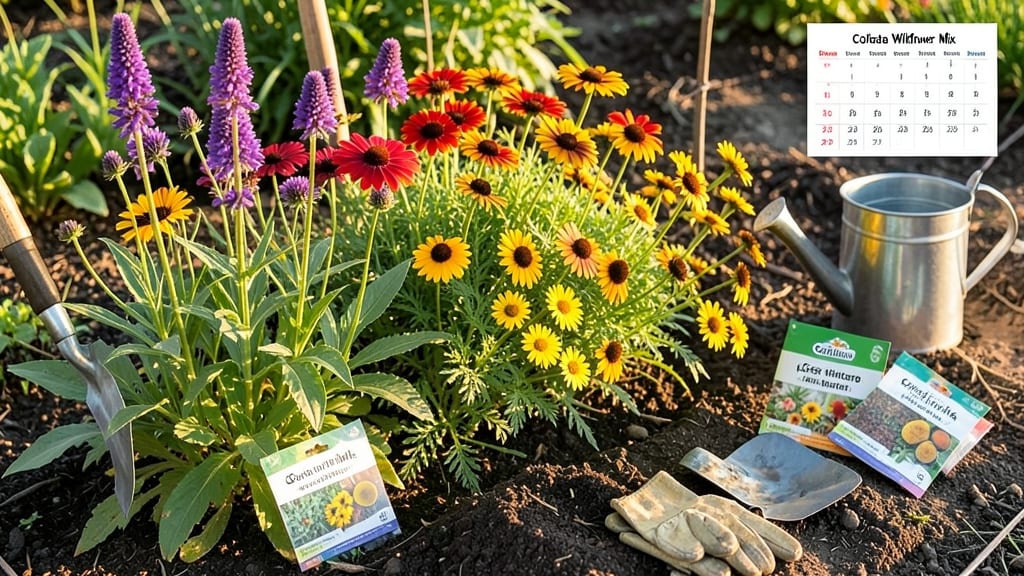
Planting flowers in Colorado at the right time means the difference between vibrant blooms and a sad, frost-killed garden before summer even arrives.
Colorado’s diverse climate—from high-altitude mountains to arid plains—means your flower planting schedule must adapt to survive freezing nights or scorching afternoons. Get the timing wrong, and your blooms could wilt before they even sprout.
In USDA zones 5-8, the best window for most flowers is spring (after last frost) or fall (4-6 weeks before first frost), but the exact dates shift wildly depending on whether you’re in Denver, Colorado Springs, or the Western Slope.
Below, I break down the zone-specific calendar you need to maximize blooms, from cool-season pansies to heat-loving zinnias, plus pro tips to stretch your season.
Colorado’s planting zones: how altitude and microclimates dictate flower schedules
Colorado’s USDA zones 3-7 create a patchwork of planting opportunities, where a Denver garden (Zone 5) and a Grand Junction yard (Zone 6) can have frost dates differing by 6 weeks.
Altitude shifts everything—1,000 feet higher can mean 2-3 weeks earlier for last spring frosts, while microclimates (like urban heat islands) can push zones up by half a number.
The Front Range (Denver, Boulder, Fort Collins) sits in zones 5-6, where last spring frosts typically arrive April 15-May 1 and first fall freezes hit October 15-November 1.
Meanwhile, the Western Slope (Grand Junction, Durango) enjoys zones 6-7 with longer growing seasons—March 15-April 15 for last frosts and October 30-November 15 for first freezes.
The Eastern Plains (Pueblo, Lamar) straddle zones 4-5, where shorter seasons demand earlier starts. Here, last frosts can linger until May 15, and first freezes may arrive as early as September 30.
Understanding these zones helps you align planting with local conditions, avoiding the heartbreak of frost-killed seedlings or wilting summer blooms.
For annual flowers like marigolds or zinnias, timing is critical. Plant after last frost but before soil temperatures hit 80°F, or seedlings will bolt.
In Denver (Zone 5), that means mid-May to June 15, while Grand Junction (Zone 6) can start as early as April 15.
Perennials like coneflowers or lavender thrive when planted 4-6 weeks before first frost to establish roots. In Pueblo (Zone 4), that’s April 15-May 1, but in Colorado Springs (Zone 5), you’ve got until May 15. Fall-planted perennials also benefit from cooler soil, reducing transplant shock.
Microclimates add another layer. A south-facing slope can be 2-3 zones warmer than a north-facing yard, while urban areas often push zones up by half a number due to heat retention. Use these microclimates to your advantage—plant heat-loving zinnias on sunny walls or cool-loving pansies in shadier spots.
Pro tip: Check local frost dates yearly—they shift with climate change. Use resources like the Colorado State University Extension or Almanac’s Frost Calculator to fine-tune your schedule. Even a 2-week difference can mean the difference between blooms all summer and bare stems.
Remember, elevation matters. Every 1,000 feet up can delay last frost by 3-5 days. If you’re gardening at 7,
Month-by-month flower planting calendar for Colorado gardens
Colorado’s short growing season and variable frost dates demand precision when planting flowers. Whether you’re growing cool-season pansies or heat-loving zinnias, timing is everything. Miss the window, and you’ll end up with frost-damaged seedlings or wilting blooms before summer peaks.
Below is my zone-specific calendar for Colorado gardens, tailored to USDA zones 5-8. I’ve included direct sowing and transplanting deadlines for both annuals and perennials, plus pro tips to stretch your blooms across the entire season.
- 1. March-April: Start cool-season flowers like pansies and snapdragons indoors or sow directly in well-draining soil. Transplant hardy perennials (e.g., coneflowers) once soil reaches 50°F.
- 2. Late April-Early May: Last frost date varies by zone—wait until May 15 in Denver or April 30 in Colorado Springs to plant warm-season annuals (e.g., marigolds, zinnias) outdoors.
- 3. June-July: Direct sow heat-tolerant seeds (e.g., sunflowers, cosmos) for late-summer blooms. Succession plant basil and nasturtiums every 2-3 weeks for continuous color.
- 4. August-September: Plant fall-blooming annuals (e.g., calendula, stock) 4-6 weeks before first frost. Divide overcrowded perennials (e.g., lavender) to rejuvenate growth.
- 5. October: Cool-season prep—sow hardy biennials (e.g., foxglove) for next year’s blooms. Mulch perennials with 3 inches of straw to protect roots.
For high-altitude gardens (e.g., Eagle County), push warm-season plantings back by 2-3 weeks—zinnias may not thrive until June 15. Meanwhile, lowland areas (e.g., Pueblo) can plant tomatoes and peppers alongside flowers as early as April 1.
Pro tip: Use row covers to extend your spring planting window by 2-4 weeks for frost-sensitive flowers like petunias. In fall, opt for late-blooming perennials (e.g., Russian sage) that tolerate light frosts.
Remember: Soil temperature matters more than air temperature. Use a soil thermometer—most annuals need 60°F+ soil to germinate, while perennials can handle 50°F once established. 🌸