
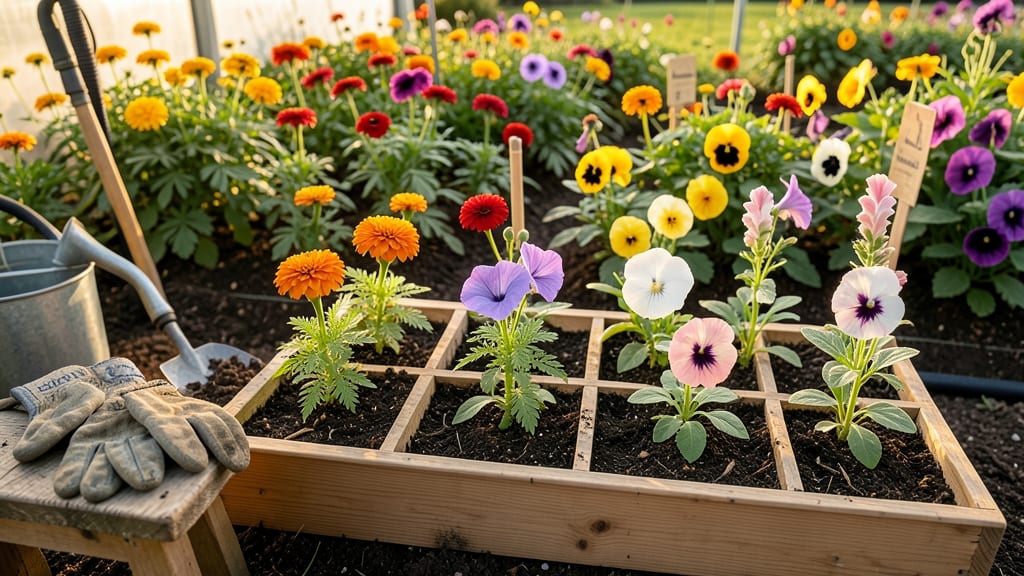
When to Plant Flowers: Exact Months by Climate Zone and Variety

Flowers

When to Plant Flowers: Exact Months by Climate Zone and Variety

You should plant flowers when should flowers be planted after the last frost in spring or 4-6 weeks before the first frost in fall 🌸 — timing this right is the secret to a garden that bursts with color instead of struggling to survive.

Picture this: you’ve spent weeks dreaming of vibrant blooms, only to watch them wilt under a late frost or bolt in the heat. The difference between a thriving garden and a disappointing one often comes down to when you put those seeds or bulbs in the ground.

But here’s the good news: with the right climate zone and variety knowledge, you can plant with confidence all year round.

From cool-season pansies that love early spring to heat-tolerant zinnias that thrive in summer, each flower has its own ideal window.

In Zone 6a, like many temperate regions, that means planting most annuals in March or April—but bulbs like tulips need to go in the ground even earlier, as much as 6-8 weeks before frost. Perennials? They’re a different story entirely, often waiting until the soil warms up.

Below, I’ll break down the exact months to plant by zone, variety, and season—plus how to adjust for early frosts, late springs, or even extreme climates. No more guesswork, just actionable timing to turn your garden into the showstopper you’ve been waiting for.

Exact planting months for flowers by USDA climate zones

Planting flowers at the right time ensures strong roots, vibrant blooms, and fewer pests. But with USDA climate zones 3 through 10 having vastly different frost dates, timing is everything.

Cool-season flowers like pansies thrive in early spring or fall, while warm-season zinnias need summer heat. Let’s break down the ideal planting windows for your region.

First, identify your USDA zone—most gardeners find it by entering their ZIP code into the USDA Plant Hardiness Zone Map. Then, adjust for your local last frost date (spring) and first frost date (fall).

For example, Zone 5 might have a last frost around May 15, while Zone 9 rarely sees frost at all. These dates dictate when to plant cool-season vs. warm-season flowers.

Below is a zone-by-zone planting guide for annuals, perennials, and bulbs. Remember: Bulbs go in fall (6-8 weeks before frost), while seeds often wait until soil warms to 60°F or above. Perennials can sometimes be planted in early spring or fall, but avoid extreme heat or cold.

For Zone 3 (coldest), plant cool-season flowers like pansies and snapdragons in early spring (April) or late summer (August) for fall blooms. Warm-season flowers like marigolds and cosmos go in after your last frost, typically mid-May to June. Bulbs like tulips need planting in September or October.

In Zone 4, extend your planting season slightly. Cool-season flowers can start in March or April, while warm-season varieties like petunias and zinnias wait until late April to May.

Fall planting for bulbs is September to early October. Perennials like coneflowers can be planted in spring or early fall.

Zones 5-6 offer more flexibility. Cool-season flowers thrive in March-April, while warm-season flowers like geraniums and sunflowers go in May after frost. Bulbs still need September-October planting. For perennials, spring or early fall works best, but avoid planting when soil is too wet or frozen.

In Zones 7-8, you can plant cool-season flowers like calendulas and sweet peas in fall (September-October) for winter blooms. Warm-season flowers like impatiens and vinca go in March-April. Bulbs can be planted October-November, and perennials thrive with spring or fall planting.

For Zone 9-10 (warmest), cool-season flowers like stock and sweet alyssum are planted in fall (October-November)** for winter/spring blooms. Warm-season flowers like hibiscus and bougainvillea can go in February-March.

Bulbs are tricky—plant in fall or early winter to avoid summer heat. Perennials like lavender can be planted year-round in mild climates.

Pro tip: Use row covers or cold frames to extend your planting season in colder zones. In hot zones, shade cloth can protect tender flowers from scorching. Always check your local frost-free dates for the most accurate timing!

USDA Zone Cool-Season Flowers (Spring/Fall) Warm-Season Flowers (Summer) Bulbs Perennials
Zone 3 April (spring) / August (fall) Mid-May to June September-October Spring or early fall
Zone 4 March-April (spring) / August-September (fall) Late April-May September-October Spring or early fall
Zones 5-6 March-April (spring) / September (fall) May after frost September-October Spring or early fall
Zones 7-8 September-October (fall) March-April October-November Spring or fall
Zones 9-10

Best flowers to plant by season (and when to avoid them)

Planting flowers at the right time ensures vibrant blooms and healthy growth, but timing mistakes can lead to weak plants or even death. For example, tender annuals like impatiens won't survive a late frost, while cool-season pansies may bolt in summer heat.

Understanding seasonal planting windows prevents costly errors and maximizes your garden's potential.

Each season offers unique opportunities for planting flowers, but some varieties thrive only in specific conditions. Spring is ideal for warm-season flowers like zinnias and marigolds, while fall is perfect for cool-season bloomers such as snapdragons and sweet alyssum.

Knowing which flowers to plant—and when to avoid them—can transform your garden from lackluster to spectacular.

⏰ When to Plant Flowers by Season

🌱 Spring Planting (March-May)

  • DO: Plant warm-season annuals (zinnias, petunias) after last frost
  • DO: Sow cool-season perennials (lavender, coneflowers) in early spring
  • DON'T: Plant tender bulbs (cannas, dahlias) before soil warms to 60°F

☀️ Summer Planting (June-August)

  • DO: Direct-sow heat-loving flowers (sunflowers, cosmos) in late summer
  • DO: Transplant fall-blooming perennials (mums, asters) in early summer
  • DON'T: Plant cool-season flowers (pansies, snapdragons) in peak heat

🍂 Fall Planting (September-November)

  • DO: Plant cool-season annuals (pansies, sweet alyssum) 6-8 weeks before frost
  • DO: Sow spring-blooming bulbs (tulips, daffodils) in fall
  • DON'T: Plant warm-season flowers (geraniums, impatiens) before frost

❄️ Winter Planting (December-February)

  • DO: Plant hardy perennials (heuchera, ornamental grasses) in early winter
  • DO: Start tender seeds indoors (geraniums, snapdragons) in late winter
  • DON'T: Plant any outdoor flowers in freezing ground

For spring planting, focus on warm-season annuals like zinnias and marigolds, which need consistent warmth to thrive. These flowers should only be planted after your last frost date, typically between April and May in most regions.

Meanwhile, cool-season flowers like pansies and snapdragons can handle light frosts and should be planted in early spring or fall.

Summer is your chance to direct-sow heat-loving flowers like sunflowers and cosmos, which thrive in the warmth. However, avoid planting cool-season varieties during this time, as they’ll struggle in the heat and may bolt or wilt.

Instead, focus on late-summer transplants like mums and asters, which will bloom beautifully in fall.

Fall is one of the best times to plant flowers, especially cool-season annuals like pansies and sweet alyssum. These flowers establish roots in mild weather and bloom prolifically through winter and early spring.

Additionally, planting spring-blooming bulbs like tulips and daffodils in fall gives them time to root before dormancy, ensuring stunning displays the following year.

Winter planting is limited, but you can still plant hardy perennials like heuchera or ornamental grasses in early winter, as they benefit from cooler temperatures. For tender flowers, start seeds indoors in late winter to give them a head start for spring planting.

Avoid planting anything directly outdoors during freezing temperatures, as the cold can damage or kill young plants.

By following these seasonal guidelines, you’ll avoid common mistakes like planting tender flowers too early or missing the ideal window for bulbs. Each season offers unique opportunities—spring for warm-season bloomers, summer for heat-loving varieties, fall for cool-season favorites, and winter for hardy perennials.

With the right timing, your garden will flourish year-round! 🌷

★★★★★5.0(11 reviews)
Categories Flowers