
Flowers
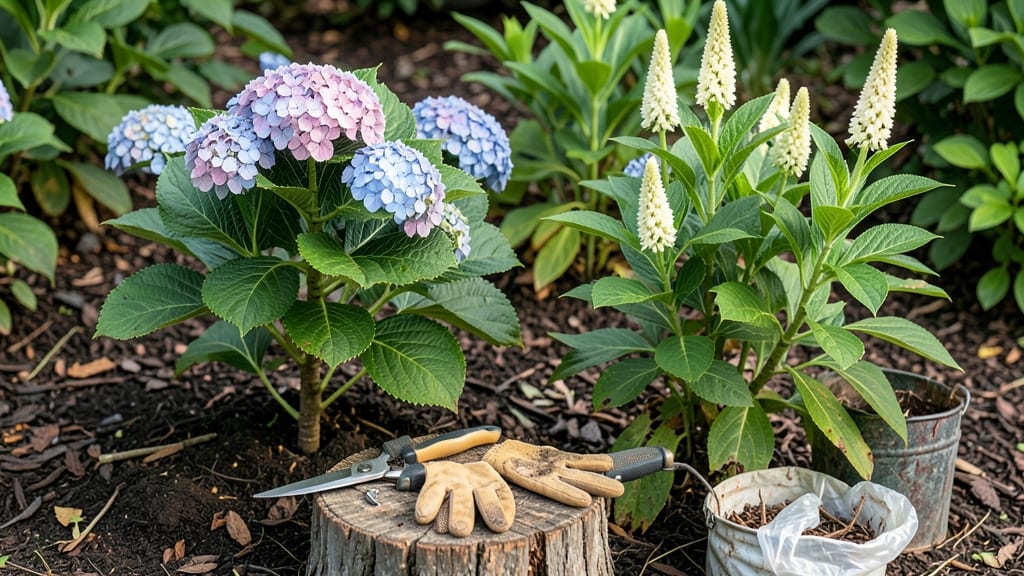
Cutting hydrangea flowers after they fade is the key to next year’s showstopping blooms 🌸 — timing it right makes all the difference between a bush full of flowers and one that barely budges.
Picture this: you’ve spent months admiring your hydrangeas, only to wake up one spring with sparse, weak stems where last year’s glory should be. That’s what happens when you prune too early or too late, and it’s easier to avoid than you think.
Most hydrangeas bloom on new wood, meaning the flowers form on fresh growth from the current season. If you cut back too soon, you’re snipping off next year’s buds before they even form.
Wait until late summer or early fall—after the blooms have faded and the stems have turned woody—and you’ll set your hydrangeas up for a bigger, healthier display in spring.
Below, I’ll walk you through the exact steps, the tools you’ll need, and the common mistakes that even experienced gardeners make—so you can prune with confidence and enjoy those lush, vibrant blooms year after year.
Best time to prune hydrangeas for maximum blooms next year
If you’ve ever wondered why your hydrangeas aren’t blooming as abundantly as they used to, the answer might lie in your pruning timing. The secret to next year’s maximum blooms starts with understanding when—and how—to cut back your plants.
Most gardeners make the mistake of pruning too early or too late, which can actually reduce flower production instead of boosting it. Let me show you the science-backed timing that ensures your hydrangeas thrive.
Hydrangeas bloom on old wood (last year’s growth) or new wood (current year’s growth), and this determines the best pruning window. For example, mophead and lacecap varieties typically bloom on old wood, while panicle hydrangeas bloom on new wood.
Misjudging this can mean cutting off next year’s flower buds before they even form. The key is to wait until after the blooms have fully faded—usually in late summer or early fall—to avoid this costly mistake.
Here’s the critical insight: Pruning at the right time strengthens stems and encourages the plant to produce more buds for the following spring. When you cut back hydrangeas too early, you risk removing next year’s flowering wood.
Conversely, waiting too long can leave the plant vulnerable to winter damage or overgrowth. Let’s break down the exact timing for each type and why it matters so much.
| Hydrangea Type | Bloom Wood Type | Best Pruning Time | Why It Works |
|---|---|---|---|
| Mophead (H. macrophylla) | Old wood | Late summer to early fall (after blooms fade) | Preserves next year’s flower buds on last year’s stems. |
| Lacecap (H. macrophylla) | Old wood | Late summer to early fall (after blooms fade) | Encourages larger blooms by removing spent flowers. |
| Panicle (H. paniculata) | New wood | Late winter to early spring (before buds swell) | Promotes vigorous new growth for summer blooms. |
| Oakleaf (H. quercifolia) | Old wood | Late summer to early fall (after blooms fade) | Maintains fall color and next year’s blooms. |
The late-summer/early-fall window (typically August to October, depending on your climate) is ideal for mophead and lacecap hydrangeas because it allows the plant to set buds for next year before winter.
For example, if you prune your mophead hydrangea in June, you might accidentally remove the flower buds that formed on last year’s stems, leaving you with bare branches the following spring.
For panicle hydrangeas, the rules are different. These varieties bloom on new wood, so you can prune them in late winter or early spring (just as new growth begins).
This stimulates fresh growth and ensures larger, more abundant blooms later in the season. Think of it as giving your plant a fresh start before the growing season kicks in.
Another critical factor is your USDA hardiness zone. In warmer climates (zones 8-10), hydrangeas may stay active longer, so you might extend your pruning window into early November.
In colder zones (3-7)mid-October to avoid exposing the plant to early frost, which can damage tender new growth.
Let me share a personal tip: Always prune on a dry, overcast day. This reduces stress on the plant and helps wounds heal faster. Use clean, sharp pruners to make clean cuts just above a leaf node or bud.
Avoid leaving stubs, as they can attract disease and weaken the plant over time.
One common misconception is that you should prune hydrangeas right after they finish blooming. While this might seem logical, it often leads to reduced blooms next year for old-wood varieties.
Instead, wait until the flowers have completely faded and the stems have turned brown. This ensures you’re not cutting off next year’s potential blooms.
Finally, don’t forget to shape your hydrangeas while you’re pruning. This isn’t just about removing dead flowers—it’s about encouraging airflow and light penetration, which reduces the risk of fungal diseases like powdery mildew. Aim to open up the
Step-by-step guide: how to prune hydrangeas without mistakes
Pruning hydrangeas might seem intimidating, but with the right timing and technique, you’ll encourage bigger blooms and a healthier plant. The key is knowing when to cut and how much to remove—each hydrangea type has unique needs.
Whether you’re dealing with mophead, lacecap, or panicle varieties, follow these steps to avoid common mistakes and set your plant up for success next season.
Before grabbing your pruners, check your hydrangea’s bloom cycle. Most varieties bloom on old wood (last year’s growth), while panicle hydrangeas bloom on new wood. Cutting at the wrong time can mean no flowers next year—so let’s get this right!
Start by identifying your hydrangea type, then follow the seasonal timeline below for flawless pruning.
When to Cut Hydrangea Flowers: Seasonal Pruning Timeline
- 1 Late Summer (August-September): Prune spent blooms of old-wood varieties (mophead, lacecap) after flowers fade. Cut back to the first set of 5 large leaves below the bloom.
- 2 Early Spring (March-April): Prune new-wood varieties (panicle, smooth) to shape the plant. Remove dead or weak stems at the base, cutting just above a bud or leaf node.
- 3 Never prune in Fall (October-November): This encourages new growth that won’t harden off before winter, risking frost damage. Wait until spring for new-wood types.
- 4 Shape in Late Winter (February): For overgrown hydrangeas, lightly trim to open the center and improve airflow. Avoid heavy cuts—1/3 of the plant is the max to remove.
- 5 Clean up debris: Remove all dead flowers and leaves after pruning to prevent pests and diseases. Dispose of clippings in yard waste or compost (if disease-free).
Now that you know the best times to prune, let’s talk technique. Always use clean, sharp pruners to make clean cuts at a 45-degree angle just above a leaf node or bud.
This encourages new growth in the right direction. For old-wood hydrangeas, avoid cutting back into old wood—this removes next year’s flower buds!
Watch for signs of over-pruning, like bare stems or no new growth in spring. If you’ve cut too much, don’t panic—your hydrangea will recover, but it may take a year to bounce back.
On the flip side, under-pruning leads to crowded centers and fewer blooms. Aim for a balance: remove dead or weak stems while keeping the plant’s natural shape.
Pro tip: Take a before-and-after photo of your hydrangea after pruning. This helps you track progress and adjust next year’s cuts. With practice, you’ll develop an eye for the perfect prune—one that keeps your hydrangea blooming beautifully for seasons to come. 🌸