
Flowers
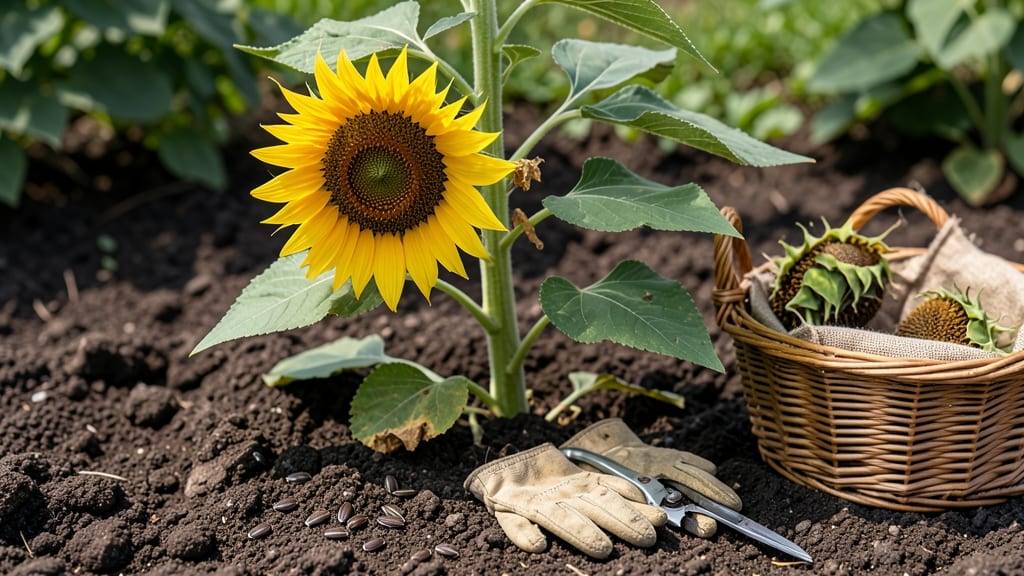
Harvesting sunflowers at the right time ensures you get the most vibrant blooms and longest vase life—or the perfect seeds for planting or snacking.
Picture this: you’ve spent months nurturing your 🌻 sunflowers, and now they’re towering over your garden, their golden faces turning toward the sun. But how do you know when to snip that stem?
Harvest too early, and you’ll miss peak beauty. Wait too long, and the petals will wilt before you even notice.
Timing matters because sunflowers change fast—petals droop, seed heads dry out, and the back of the bloom turns from green to yellow. These visual cues are your green thumb’s roadmap to the best harvest window, which typically falls between late summer and early fall.
In this guide, I’ll walk you through the 3 key signs your sunflowers are ready, plus pro tips for cutting at the ideal height and storing them for maximum freshness—whether you’re saving seeds or crafting bouquets.


3 Key visual signs your sunflowers are harvest-ready
Harvesting sunflowers at the perfect moment transforms your garden into a treasure trove of golden blooms and nutrient-rich seeds. The key lies in recognizing three unmistakable visual cues that signal peak ripeness. Miss these signs, and you might end up with floppy stems or underdeveloped seeds.
Pay close attention to these physical indicators to ensure you harvest at the ideal time for cutting or seed collection.
First, let’s talk about the back of the seed head, which undergoes a dramatic color shift from green to yellow. This isn’t just a subtle change—it’s a clear harvest signal that the seeds inside are maturing.
When this area turns fully yellow, it’s your green light to act. Ignoring this cue can mean waiting too long, and the petals will start to wilt before you’ve even picked the flower.
Next, focus on the petals themselves. At their peak, sunflower petals stand tall and vibrant, but as they age, they begin to droop and wilt. When the petals start curling downward and taking on a brownish hue, it’s time to harvest.
This isn’t just about aesthetics—wilting petals indicate the plant is redirecting energy to seed development, which is exactly what you want for a successful harvest.
Finally, check the seed head’s texture. A ripe sunflower seed head should feel dry and papery to the touch. If you gently shake it and hear seeds rattling inside, that’s another clear sign of readiness.
This dryness means the seeds are fully mature and ready for collection or consumption. Skipping this step could leave you with seeds that aren’t fully developed or dry enough for storage.
🌻 3 Visual Signs Your Sunflowers Are Harvest-Ready
- 🟡 Back Turns Fully Yellow: The reverse side of the seed head shifts from green to bright yellow, signaling seeds are maturing. Check this area first—it’s your primary harvest cue.
- 🌼 Petals Wilt and Droop: When petals curl downward and turn brown, the plant is focusing energy on seeds. Harvest within 1-2 days to avoid over-ripening.
- 📄 Seed Head Feels Dry: A ripe seed head should be lightweight and papery. Gently shake it—if seeds rattle inside, it’s time to harvest for seed collection.
Pro Tip: Harvest in the morning after dew dries but before midday heat to preserve stem freshness.
Timing your harvest isn’t just about these visual cues—it’s also about understanding the seasonal window for sunflowers. Most varieties reach harvest readiness between late July and early September, depending on your USDA zone and when you planted them.
In Zone 6a, for example, sunflowers typically hit peak harvest around mid-to-late August, just as the days start to shorten.
If you’re growing sunflowers for cutting arrangements, aim to harvest when the petals are just starting to wilt but haven’t fully browned. This ensures your bouquets stay vibrant and fresh for days.
For seed collection, wait until the seed head is completely dry and the back is a deep yellow. This guarantees your seeds will be viable and ready for planting next season.
One common mistake I see is waiting too long for the petals to fully brown. While it might seem like the seeds are riper, overripe sunflowers can scatter seeds or develop mold.
Always prioritize the yellow back and dry texture over the petal color. This ensures you get the best of both worlds: beautiful blooms and high-quality seeds.
For the best results, use a sharp pair of pruning shears and cut the stem at a 45-degree angle, about 6 inches below the flower head. This angle increases water uptake, helping your cut sunflowers last longer in a vase.
If you’re harvesting for seeds, leave the flower head on the plant until fully dry, then cut it and hang it upside down in a well-ventilated area to finish drying.
Now that you know the 3 key visual signs, you’re ready to harvest sunflowers like a pro. Whether you’re creating stunning bouquets or saving seeds for next year’s garden, timing is everything.
Keep an eye on those yellow backs, wilted petals, and dry seed heads, and you’ll always know exactly when to pick your sunflowers for the best results.
Best harvesting methods for cut sunflowers vs. seed collection
Harvesting sunflowers for cutting bouquets or seed collection requires different timing and techniques. For cut flowers, you’ll want to snip stems when petals are fully open but still vibrant, while seed collection happens later when the back of the head turns brown and seeds mature.
Timing is everything—cut too early, and your bouquets will wilt faster; wait too long, and seeds won’t be viable for planting. The best time of day to harvest is early morning when stems are hydrated, ensuring longer vase life for cut flowers.
For cut sunflowers, aim for stems that are 3-4 inches long below the bloom head. Use sharp pruners to avoid crushing stems, and always cut at a 45-degree angle to maximize water uptake.
Harvesting Sunflowers: Cut Flowers vs. Seeds
Cut Flowers
- When: Petals fully open, vibrant
- Time of Day: Early morning
- Stem Height: 3-4 inches below bloom
- Cut Angle: 45 degrees
- Vase Life: 7-10 days
Seed Collection
- When: Back turns brown, seeds rattle
- Time of Day: Dry, sunny afternoon
- Stem Height: Cut 6+ inches below head
- Drying Method: Hang upside down
- Storage: Cool, dry place
If you’re saving seeds, wait until the back of the seed head turns brown and seeds rattle when shaken. Harvest on a dry, sunny afternoon to prevent moisture from spoiling seeds during drying.
For seed collection, cut stems 6+ inches below the head and hang them upside down in a well-ventilated, dry area for 2-3 weeks. Once seeds are fully dry, rub the head between your hands to release them for storage.
Store seeds in a paper bag or airtight container in a cool, dry place. Label with the variety and harvest year to track germination rates for next season’s planting.
Pro tip: For both methods, always use clean, sharp tools to avoid disease transmission and ensure healthy plants continue growing in your garden.