
Flowers
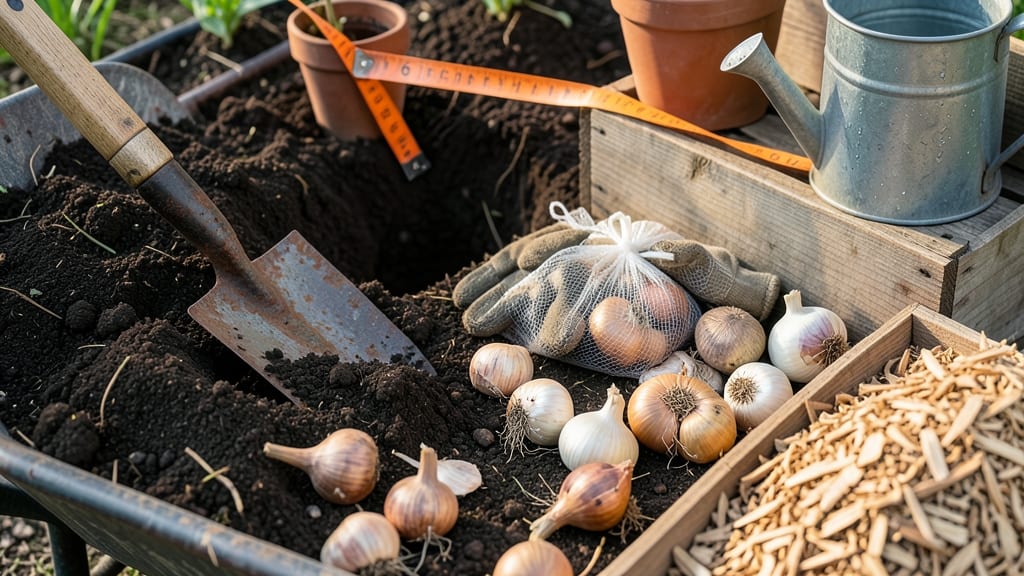
To plant flower bulbs in the spring for vibrant blooms, aim for 6 weeks before your last frost date—earlier for chill-sensitive varieties like tulips and later for hardy daffodils.
Spring gardening mistakes can leave your yard blooming later than your neighbors—timing flower bulb planting by chill-hours ensures vibrant blooms right on schedule. In USDA Zone 6, that means late March for tulips and early April for crocus, but your local frost dates may shift the window by weeks.
Most gardeners assume "spring planting" means after the last frost, but the real key is soil temperature: bulbs need cool, workable earth (around 50°F) to root before warm weather arrives. Planting too late risks weak growth or no blooms at all.
Below, I’ll break down the exact planting timeline by bulb type, soil prep secrets to boost success, and how to adjust for early or late springs—so you can enjoy bold, early color without the guesswork.
Spring flower bulb planting timeline by chill-hours requirements
Not all spring-blooming bulbs thrive on the same schedule—chill-hours (weeks of cold temperatures) determine when each variety wakes up. For example, tulips need 12-16 weeks below 45°F, while daffodils can handle 12-20 weeks.
Planting too early or late throws off their natural rhythm, leading to weak blooms or no flowers at all.
In USDA Zone 6, most gardeners aim for late March to early April, but your exact timeline depends on your last frost date and the bulbs you choose. Crocus and snowdrops are the earliest bloomers (plant in late winter), while hyacinths and alliums prefer slightly warmer soil (plant in early spring).
Soil temperature matters more than air temperature—bulbs need 50-60°F soil to root. Test with a soil thermometer or wait until you can push a trowel into the ground without resistance. Overheated soil can wake bulbs too soon, causing them to bolt or rot before blooming.
For USDA Zones 7-9, shift planting dates 2-4 weeks earlier since warmer winters reduce chill-hours. In colder Zones 3-5, delay planting by 1-2 weeks to avoid frost damage. Always check your local frost dates—they can vary by 10-14 days even within the same zone.
Pro tip: Plant crocus and snowdrops in late winter (February) for the earliest color. These bulbs tolerate cold soil and even light frost. In contrast, tulips and hyacinths planted too early may rot in soggy winter soil, so wait until the ground is workable but not warm.
Depth matters too! Plant bulbs 3x their height deep (e.g., 6-inch tulips go 18 inches down). Deeper planting prevents heaving (bulbs pushing up in freeze-thaw cycles) and protects them from voles and rodents. Use a bulb planter or trowel for precision—uneven depths cause uneven blooming.
After planting, mulch with 2-3 inches of straw or shredded leaves to insulate bulbs from temperature swings. Remove mulch in early spring once shoots appear to prevent rot from excess moisture. Water lightly after planting, then reduce watering once foliage appears—overwatering is a common mistake that weakens
How to adjust planting dates for early vs late springs
Spring weather can be unpredictable—one year you're shoveling snow in April, and the next, daffodils are peeking through in February. Adjusting your planting dates based on your local spring conditions is the secret to reliable blooms every season.
For example, in USDA Zone 6, tulips planted in late March might bloom in May, but in a warm spring, waiting until April risks missing the window entirely.
If your spring arrives early with warmer-than-average temperatures, bulbs planted too soon may sprout too early and get fried by unexpected late frosts. Conversely, a late spring with lingering cold can delay blooms or leave you staring at bare soil when neighbors' gardens burst with color.
The key is soil temperature, not just air temperature—bulbs need 45-55°F soil to root properly.
Use a soil thermometer to check depth (4-6 inches). Plant when soil hits 50°F+—cold soil slows root growth.
If frost dates shift 2+ weeks early, plant crocus and snowdrops in late February (they tolerate cold). Delay tulips and hyacinths until mid-April to avoid frost damage.
For indoor forcing, plant bulbs in containers in October, then move to a cool, dark basement (40-50°F) for 10-12 weeks. Bring indoors when buds form.
If spring arrives late, opt for hardy bulbs like daffodils (plant in early May) or annuals like pansies for instant color. Mulch heavily to preserve soil moisture.
Amend clay-heavy soil with compost or sand to improve drainage. Avoid fresh manure—it can burn delicate bulb roots.
Even if you miss the ideal window, don’t panic! Daffodils and alliums are the most forgiving bulbs—they’ll often bloom the following year if planted in early summer. For tulips and hyacinths, though, act fast: plant them within 2 weeks of soil warming or risk poor blooms.
Pro tip: Mark your last frost date on your calendar, then count backward. Tulips need 12-16 weeks of chill, so in a warm spring, you might need to pre-chill bulbs in the fridge for 6-8 weeks before planting. This trick works wonders for early blooms in mild climates.
Remember, soil temperature > air temperature—a sunny 70°F day can hide cold soil that’s still holding winter’s chill. Always test with a thermometer before planting. With these adjustments, you’ll beat the spring rush and enjoy bold, on-time blooms every year. 🌷