
Planting
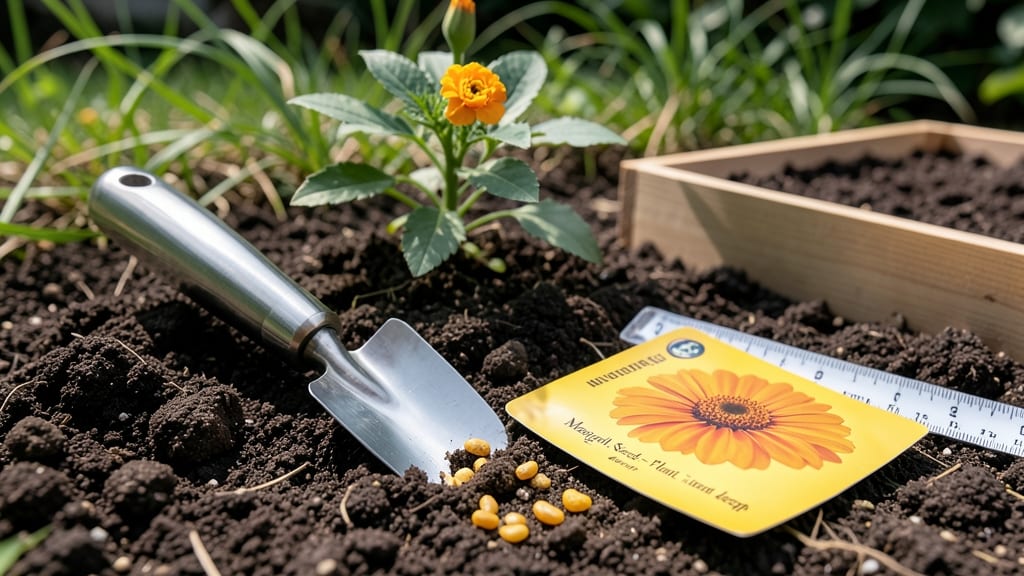
Planting flower seeds at the right depth is the secret to strong germination—too shallow and they dry out, too deep and they suffocate.
Struggling to get your flower seeds to sprout? Planting them at the wrong depth can mean the difference between a thriving garden and wasted effort.
The rule of thumb is simple: most seeds need to go in twice as deep as their width, but tiny seeds like petunias and large ones like sunflowers break that rule. Below, I’ll show you exactly how to measure, adjust for soil type, and troubleshoot common mistakes.
Why does depth matter so much? Seeds need just enough soil to stay moist and protected, but not so much that they can’t push through to the light. For example, poppies and snapdragons barely need covering at all, while beans and peas thrive when buried deeper.
I’ll walk you through the exceptions and tools—like toothpicks or seed-starting trays—to make it foolproof.
Ready to stop guessing? You’ll leave here with a checklist for perfect planting, from soil prep to post-sprout care, so your 🌸 flower seeds get the start they deserve.

Seed depth guidelines by size: tiny seeds vs. large seeds explained
Planting flower seeds at the right depth is like giving them the perfect first home—they need just enough darkness to sprout but not so much that they suffocate.
The general rule is to plant seeds at a depth 2-3 times their width, but this changes dramatically depending on whether you're dealing with tiny petunia seeds or large sunflower seeds. Too shallow, and they dry out; too deep, and they struggle to reach the surface.
Let’s break down the science and practical tips to get your seeds off to the best start.
For most small flower seeds (like marigolds, snapdragons, or petunias), the ideal depth is 1/8 to 1/4 inch. These seeds need just enough light to germinate, so burying them too deep can delay or prevent sprouting.
On the other hand, larger seeds (such as sunflowers, beans, or cosmos) can handle being planted 1/2 to 1 inch deep. Their thicker seed coats and stored energy allow them to push through denser soil layers. Understanding these differences saves time and frustration in the garden.
Here’s where things get tricky: soil texture plays a huge role. Sandy soil, which drains quickly, may require seeds to be planted slightly deeper to retain moisture. Conversely, clay-heavy soil can suffocate seeds if planted too deep, so adjust accordingly.
Tools like toothpicks, seed-starting trays, or even a simple ruler can help you gauge the perfect depth without guessing. Precision here means the difference between a garden full of blooms and a patch of bare soil.
| Seed Type | Seed Size | Planting Depth | Examples | Soil Adjustment |
|---|---|---|---|---|
| Tiny Seeds | 1/16" or smaller | 1/8" to 1/4" | Petunias, Impatiens, Lobelia | Lightly press into soil; keep moist |
| Small Seeds | 1/8" to 1/4" | 1/4" to 1/2" | Marigolds, Snapdragons, Zinnias | Use fine soil; avoid compacting |
| Medium Seeds | 1/4" to 1/2" | 1/2" to 1" | Cosmos, Bachelor’s Buttons, Calendula | Loosen soil for better drainage |
| Large Seeds | 1/2" or larger | 1" to 2" | Sunflowers, Beans, Poppies | Plant deeper in sandy soil |
Let’s take a closer look at some of my favorite flowers to see how these guidelines play out in real life. Marigolds, with their tiny seeds, should only be pressed 1/8 inch deep into the soil. If you bury them any deeper, they may never surface.
Meanwhile, sunflower seeds, which are large and energy-rich, can be planted 1 to 2 inches deep—they’ll still find their way to the light. Even within these categories, exceptions exist, like poppy seeds, which need to be planted just barely covered because they require light to germinate.
If you’re planting in containers or seed-starting trays, the same rules apply, but you’ll want to use a well-draining seed-starting mix to prevent rot.
A light sprinkle of soil over tiny seeds is often enough—just enough to shield them from drying out but not enough to block their path to light. For larger seeds, use a small spoon or your finger to create a cozy little nest at the correct depth.
The goal is to mimic the natural conditions these seeds would encounter in the wild, where they’re often scattered on the soil surface or lightly buried by wind or rain.
After planting, the next critical step is consistent moisture. Tiny seeds, in particular, need to stay damp until they germinate, but avoid overwatering, which can cause them to rot. A gentle misting with a spray bottle works best for delicate seeds, while larger seeds can handle a deeper watering.
Once sprouts appear, thin them out to give each plant enough space to grow. This step is often overlooked but is essential for preventing competition and ensuring strong, healthy plants.
For those who love fast and easy blooms, petunias and zinnias are excellent choices—they germinate quickly and thrive when planted shallowly.
On the other hand, if you’re growing perennials like peonies or delphiniums, their larger seeds can be planted a bit deeper, knowing they’ll establish roots for years to come. The key is to always check the seed packet for specific instructions, as some varieties have unique needs. When in
Common mistakes that kill flower seed germination (and how to fix them)
Even with the right planting depth, flower seeds can fail to germinate if you overlook subtle details. The most common culprits are over-planting seeds too close together, burying them too deep, or working with compacted soil that smothers roots.
I’ve seen gardeners waste entire seed packets because of these avoidable mistakes—let’s fix them for good.
Another silent killer is moisture imbalance. Too little water and seeds dry out before sprouting; too much and they rot. Even the best flower seeds need consistent moisture in the top inch of soil to break dormancy.
I’ll show you how to strike the perfect balance, plus how to adjust for different soil types—sandy soils dry faster, while clay holds too much moisture.
Here’s the hard truth: one-third of seed failures come from planting too deep. Tiny seeds like petunias or snapdragons need barely any soil coverage, while larger seeds like sunflowers or beans can handle deeper planting.
The rule of thumb—twice the seed width—is a great starting point, but exceptions exist.
Most flower seeds should be planted at a depth equal to 2-3 times their width. Here’s how to measure:
- Tiny seeds (e.g., marigolds, petunias): 1/8–1/4 inch deep (barely cover)
- Medium seeds (e.g., cosmos, zinnias): 1/4–1/2 inch deep
- Large seeds (e.g., sunflowers, beans): 1–2 inches deep
💡 Pro Tip: Use a toothpick to create precise furrows for tiny seeds.
Compacted soil is another hidden enemy. If your garden bed feels hard when pressed, roots can’t push through to reach moisture and air. To fix this, loosen the top 2–3 inches of soil with a fork before planting.
Mix in compost or perlite to improve aeration—this alone can double your germination rate for delicate flower seeds like lobelia or impatiens.
Watering techniques matter just as much as depth. After planting, mist the soil with a spray bottle to avoid displacing seeds, then water gently from below using a watering can with a fine rose attachment.
Overhead watering can wash seeds away or create crusts that block sprouts. For container gardens, use bottom-watering trays to keep moisture consistent without disturbing seeds.
To wrap up, here’s your quick-fix checklist for perfect germination:
- ✅ Test soil depth with a ruler or toothpick
- ✅ Loosen compacted soil before planting
- ✅ Water gently—no overhead streams
- ✅ Use seed trays for tiny seeds (e.g., poppies)
- ✅ Keep soil moist (not soggy) until sprouts appear
With these fixes, your flower seeds will sprout faster and stronger. The key is patience and precision—don’t let small mistakes derail your garden dreams! 🌱