
Companion Plants
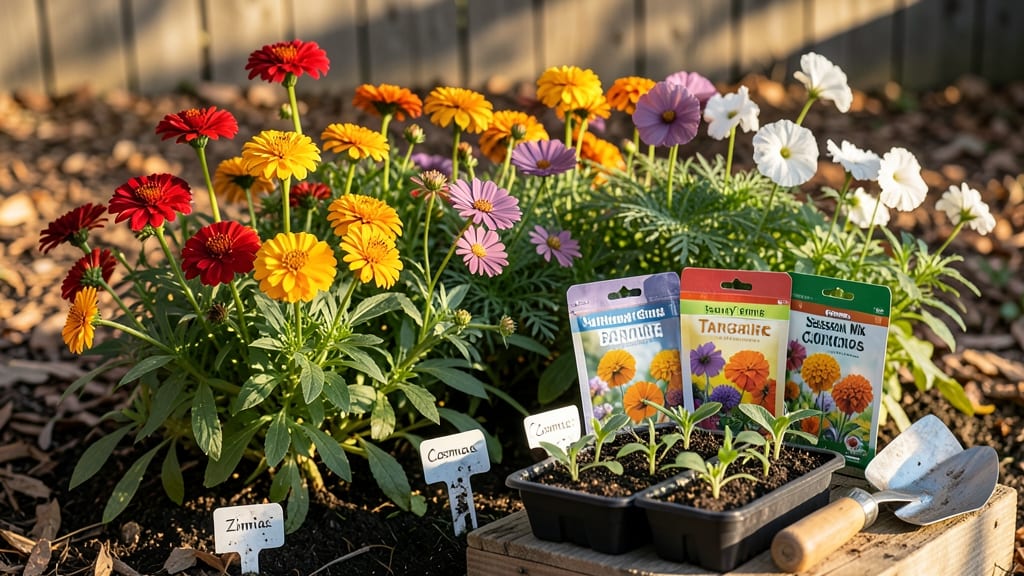
Planting flower seeds in Indiana at the right time means the difference between a burst of color by summer and a sad, frost-nipped disappointment.
Indiana’s unpredictable spring weather can turn your flower seeds into a gamble—unless you know the exact timing to beat last frost and maximize blooms. Mastering Zone 5-6 planting windows ensures vibrant gardens from early spring to late summer.
Most annuals like marigolds and zinnias thrive when planted after your average last frost date—around mid-April—but cool-season flowers like pansies can go in as early as late March. The key is soil temperature: wait until it hits at least 60°F.
Below, I break down the perfect planting schedule by month, including how to extend your season with cold frames and succession planting, so you never miss a bloom.
Indiana flower seed planting calendar by month: avoid last frost mistakes
Indiana’s Zone 5-6 climate means your flower seeds face a tight window between last frost dates (April 15–May 1) and summer’s heat. Plant too early, and frost will kill tender seedlings.
Wait too long, and you’ll miss the spring bloom rush. The key? Matching seed types to soil temperatures (50–70°F) and frost-free guarantees.
Cool-season flowers like pansies and snapdragons thrive when soil hits 50°F, while warm-season stars such as marigolds and zinnias need 60–70°F to sprout reliably. Below, we break down the month-by-month planting calendar to help you avoid common frost-related mistakes and maximize your garden’s colorful display.
Pro Tip: Use a soil thermometer to confirm temperatures before planting. Indiana’s unpredictable spring can delay warming, so always check 7-day forecasts for frost warnings.
April is your sweet spot for cool-season flowers like calendula and larkspur. These hardy annuals tolerate light frosts and bloom earlier than most, giving you color when spring feels slow. Direct-sow seeds 2–3 weeks before last frost (typically mid-March) for a head start.
For warm-season powerhouses like zinnias and marigolds, wait until after May 1—when soil temperatures consistently stay above 60°F. These heat-lovers won’t germinate in cool soil, so rushing them leads to poor sprouting rates or leggy, weak seedlings.
Indiana’s late-May heat waves can also stress young plants. Use shade cloth (30–50%) for the first 2 weeks after transplanting to help seedlings acclimate gradually. This simple step boosts survival rates by up to 40%.
Don’t overlook fall planting! August is perfect for cool-season flowers like asters, which thrive when sown 8–10 weeks before first frost (mid-October). These late bloomers add autumn color when many gardens fade.
If you’re new to Indiana gardening, mark your calendar for May 15—this is the safe bet for warm-season seeds in most years. For extra insurance, use biodegradable seed starters to jumpstart germination in cooler soil.
Remember: Soil temperature matters more than air temperature. A 55°F soil can delay germination for weeks, even if the air feels warm. Invest in a $10 soil thermometer—it’s the best frost-avoidance tool in your toolbox.
How to extend your Indiana flower season: staggered planting & cold frames
Want continuous blooms from spring to fall in Indiana? The trick is staggered planting and smart protection. By starting seeds indoors, using cold frames, and planting in succession batches, you can push your petunias and geraniums to bloom weeks earlier—or extend their season until frost.
Indiana’s Zone 5-6 climate gives us just 165 frost-free days, so every extra week counts. For example, planting marigolds in late March under cold frames can give you blooms by Memorial Day—two weeks ahead of traditional outdoor planting.
Meanwhile, a second planting of zinnias in early August ensures color until October.
3 Key Tactics to Extend Your Season
- Start cool-season flowers (like pansies) indoors in February for outdoor transplanting by late March. Use grow lights if natural light is limited.
- Use cold frames to protect tender seedlings. Place them over petunias or geraniums planted in early April—they’ll harden off faster and bloom sooner.
- Plant succession batches every 2-3 weeks from May through July. For example, sow cosmos seeds on May 1, June 1, and July 1 for staggered blooms.
Don’t forget the 3-step risk assessment for those tricky weeks. Check your local frost forecast 10 days before planting—if frost is predicted within 7 days, delay or use row covers.
For example, if your last frost date is April 15 but the forecast shows a late freeze on April 20, wait until May 1 to plant warm-season flowers like zinnias.
Cold frames are a game-changer for late-spring starts. Fill them with well-draining soil and place them in a south-facing location to maximize warmth. Remove the top when daytime temps hit 70°F to harden off seedlings.
I’ve seen geraniums planted in cold frames in early April bloom by early June—beating outdoor plantings by 3 weeks!
For fall extensions, focus on fast-growing annuals like cosmos or bachelor’s buttons. Start seeds indoors in early August and transplant by mid-August. These flowers tolerate cooler temps and will keep blooming until the first frost. Pair them with mums for a longer-lasting display.
Pro tip: Keep a planting journal to track what works. Note which staggered batches performed best and adjust next year. For example, if your petunias planted in early May bloomed until October, try a second batch in early June for even more color.
With these tactics, your Indiana garden can bloom nonstop from spring to fall! 🌷