
Flowers
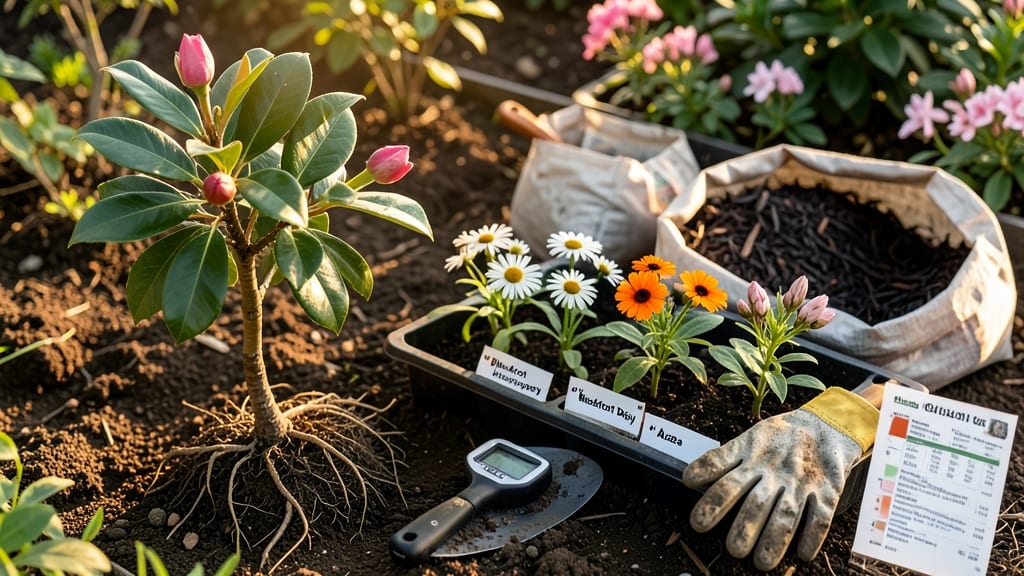
Planting flowers in Alabama means timing your blooms with the state’s two key windows—late winter to early spring and late summer to early fall—where the 7a-8b climate balances heat and humidity just right.
But here’s the catch: Alabama’s microclimates—from the steamy Gulf Coast to the cooler Appalachian foothills—can shift your ideal planting dates by weeks. Get it wrong, and your petunias might bolt in the heat or your azaleas could rot in soggy clay soil.
This guide cuts through the guesswork with region-specific frost dates, the best flowers for each season, and soil prep tricks to beat Alabama’s humidity. Whether you’re in Birmingham or Mobile, you’ll know exactly when to dig in for longer-lasting blooms.
We’ll start with a simple planting calendar, then dive into soil prep, watering hacks, and how to stretch your bloom season from March through November—no matter where you garden.
Alabama’s flower planting zones: when to plant by region (north vs. south vs. mountains)
Alabama’s diverse climate creates three distinct flower planting zones, each with unique frost dates and growing seasons. The northern region (Zones 7-8) experiences cooler temperatures, while the southern coastal areas (Zones 8-9) stay warmer longer.
Mountain regions like Lookout Mountain can even dip into Zone 6, requiring earlier planting. Understanding these differences ensures your annuals and perennials thrive.
For heat-sensitive varieties like impatiens, timing is critical. In the north, wait until mid-April after the last frost, while southern gardeners can plant as early as early March.
Mountain gardeners should start 4-6 weeks earlier to beat cooler soil temperatures. This regional approach prevents frost damage and maximizes bloom seasons.
In northern Alabama, where Zone 7-8 dominates, focus on late spring planting (April 15-May 15) for annuals like marigolds and zinnias. These heat-tolerant varieties handle summer’s humidity better than delicate impatiens. For perennials, divide and transplant in early spring or early fall to avoid stress during extreme heat.
Southern Alabama’s warmer microclimate (Zones 8-9) allows earlier planting. Start heat-sensitive flowers like impatiens in March and transition to fall planting by mid-July to avoid summer’s peak heat. Coastal areas may even support year-round blooms with careful selection of tropical varieties like hibiscus.
Mountain gardeners face unique challenges with cooler soil temperatures and shorter growing seasons. Plant cool-season crops like pansies in early spring (May) and focus on shade-tolerant annuals that thrive in partial sunlight. Mulch heavily to protect roots during unpredictable late spring frosts that can occur even in June.
For perennial flowers, timing matters less but still requires attention. In the north, plant daylilies and coneflowers in early spring (March-April) when soil is workable. Southern gardeners can extend planting into early fall (September-October) for established root growth before winter.
Mountain regions should prioritize hardy perennials like black-eyed Susans that tolerate cooler nights.
One common mistake is planting tender annuals too early in southern zones. While Zone 8-9 may seem ideal for early starts, unpredictable cold snaps can still occur. Use row covers for protection if planting impatiens or begonias before mid-March.
In northern zones, avoid planting heat-lovers like sunflowers until after May 1 to prevent bolting from sudden heat waves.
Soil preparation varies by region too. Northern gardeners should amend clay soils with compost in late winter to improve drainage before spring planting. Southern areas benefit from mulching in early spring to retain moisture during hot, dry spells.
Mountain gardeners focus on organic matter to warm cold soils faster in early spring.
Remember that fall planting is just as important as spring. In northern Alabama, aim for August 15-September 15 to give plants time to establish roots before winter. Southern gardeners can extend this window until mid-October, while mountain regions should finish by early September to avoid early frosts.
This strategy ensures longer bloom seasons and healthier plants next year.
When selecting flowers, consider your region’s heat tolerance needs. Northern gardeners thrive with zinnias and marigolds, while southerners can grow tropical flowers like cannas. Mountain areas excel with cool-loving varieties such as asters. Always check plant tags for specific microclimate recommendations—they’re your best guide for local success
Best flowers to plant by season in Alabama (spring, summer, fall, winter)
Alabama’s humid subtropical climate creates perfect conditions for vibrant blooms, but timing matters. Spring and fall are ideal for most flowers, while summer heat demands drought-tolerant varieties. Winter planting is limited, but cool-season bloomers like pansies thrive.
Start with soil prep—Alabama’s clay-heavy soil benefits from compost and sand amendments for better drainage.
For spring planting, focus on cool-season annuals like pansies, snapdragons, and sweet alyssum.
These handle Alabama’s mild winters and bloom early. Perennials like black-eyed Susans and coneflowers can go in late winter for summer color. Summer is all about heat-loving annuals: zinnias, marigolds, and sunflowers, which thrive in Alabama’s 90°F+ temperatures.
🌱
| Season | Best Flowers | Planting Time | Care Tips |
|---|---|---|---|
| Spring | Pansies, Snapdragons, Sweet Alyssum, Tulips, Daffodils | Feb–April (after last frost) | Water deeply 2x/week; mulch to retain moisture. |
| Summer | Zinnias, Marigolds, Sunflowers, Lantana, Petunias | May–June (after soil warms) | Water at soil level; deadhead for continuous blooms. |
| Fall | Mums, Asters, Salvia, Pansies, Calendulas | Aug–Sept (6–8 weeks before frost) | Fertilize lightly in August; protect from early frosts. |
| Winter | Pansies, Violas, Winter Jasmine, Camellias | Nov–Dec (cool-season hardy types) | Water sparingly; mulch heavily for insulation. |
Alabama’s high humidity means adjusting watering habits. Morning watering prevents fungal diseases like powdery mildew, while mulch (2–3 inches) locks in moisture. For containers, use fast-draining mixes and water daily in summer. In-ground plants need deeper watering—aim for 1–1.5 inches per week during dry spells.
Extend your bloom season by planting succession crops. Start zinnias in May, then again in July for fall color. Cool-season flowers like calendulas can handle light frosts, so plant them in late summer for winter interest.
Always check your local frost dates—northern Alabama’s last frost averages March 15, while southern regions may see blooms year-round.
🌿
Pro tip: Test your soil before planting—Alabama’s clay soil often needs organic matter to improve drainage. Mix in compost or aged manure 4–6 weeks before planting. For container gardens, use a well-draining potting mix with perlite to prevent root rot in Alabama’s rainy seasons.
💧