
Flowers
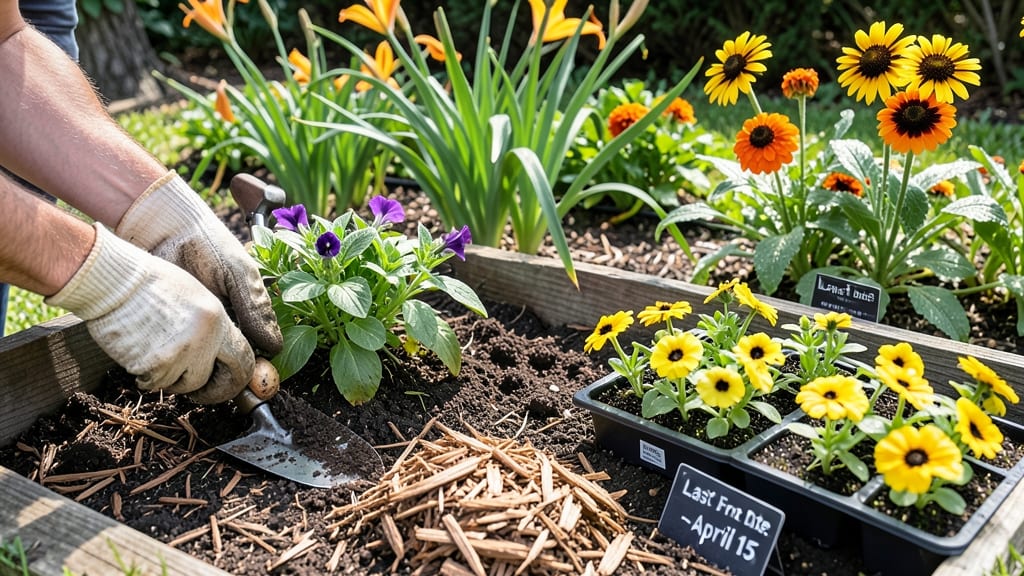
To plant flowers in Delaware, aim for March through May for spring blooms and August to September for fall varieties — timing that lets you beat the last frost while avoiding summer heat stress.
Here’s the catch: Delaware’s microclimates mean your neighbor’s perfect planting window might not work for you. Coastal areas like Lewes can plant two weeks earlier than inland spots near Wilmington, where soil stays colder longer.
Whether you’re tucking in petunias for summer color or daffodils for early spring cheer, the key is soil temperature and frost dates. I’ll break down the exact calendar for your zone, plus how to adjust for containers or raised beds.
You’ll leave here knowing not just when to plant, but how to stretch your blooms from April through October—even in Delaware’s humid summers—with minimal fuss.
Delaware’s flower planting calendar by microclimate zone
Delaware’s three distinct microclimate zones—Northern, Central, and Southern—create unique planting windows for your garden. The last spring frost typically arrives between April 15 (North) and May 1 (South), while the first fall frost hits November 15 (North) to November 30 (South).
These differences mean coastal gardens can plant 2-3 weeks later than inland areas due to moderating ocean breezes.
Soil temperatures also vary: Northern Delaware needs to wait until 60°F (15°C) for warm-season flowers, while Southern Delaware can start when soil hits 55°F (13°C). Understanding these nuances ensures your annuals, perennials, and bulbs thrive year-round.
Let’s break down the ideal planting windows for each zone, including heat-tolerant varieties and frost-sensitive species.
🌱
| Zone | Spring Planting Window | Fall Planting Window | Key Frost Dates | Soil Temp Threshold (°F) | Best Flowers |
|---|---|---|---|---|---|
| Northern Delaware (USDA 7a) | April 15–May 15 | August 15–September 15 | Last frost: April 15 First frost: November 15 |
60°F (15°C) | Daffodils, Peonies, Coneflowers, Petunias, Marigolds |
| Central Delaware (USDA 7a-7b) | April 1–May 10 | August 1–September 10 | Last frost: April 1 First frost: November 1 |
58°F (14°C) | Tulips, Daylilies, Black-Eyed Susans, Impatiens, Snapdragons |
| Southern Delaware (USDA 7b) | March 20–April 30 | July 20–September 1 | Last frost: March 20 First frost: November 30 |
55°F (13°C) | Crocuses, Hyacinths, Zinnias, Geraniums, Coleus |
For Northern Delaware, prioritize cold-hardy perennials like coneflowers and peonies, which thrive when planted in early spring. Annuals like petunias should wait until after the April 15 frost date to avoid damage.
In Central Delaware, you can start tulip bulbs in October for spring blooms, while impatiens love the longer growing season and can be planted as late as June 1.
Southern Delaware’s warmer microclimate allows for earlier spring plantings, including crocuses and hyacinths as soon as March 20. Heat-loving flowers like zinnias and coleus can handle the humidity and summer heat, making them perfect for late summer plantings in August.
Coastal areas may also benefit from wind-resistant varieties like beard grass or sea thrift.
🌿
Adjust your planting timeline if you’re using container gardening or raised beds.
Containers warm up faster in spring, so you can plant warm-season flowers like marigolds or basil flowers 2 weeks earlier than in-ground plantings. Mulch heavily in fall to protect tender perennials from early frosts, especially in Northern Delaware.
For bulbs like daffodils, plant them in October to establish roots before winter.
Pro tip: Use a soil thermometer to confirm ideal planting temperatures. For Southern Delaware, aim for 55°F (13°C), while Northern Delaware should wait until 60°F (15°C).
This small step prevents root rot or stunted growth in cooler soils. Pair your planting schedule with monthly fertilizer applications to keep blooms vibrant all season.
🌸
Don’t forget to
Best flowers for Delaware’s unique growing seasons
Delaware’s humid summers and moderate winters create perfect conditions for vibrant blooms year-round. The key is selecting flowers that thrive in our USDA zones 7a-7b while matching their needs to your microclimate—whether you're in coastal Lewes or inland Wilmington.
I’ve handpicked varieties that handle Delaware’s heat, humidity, and occasional frost with ease.
For spring color, focus on hardy perennials like daffodils and tulips, which bloom early and tolerate cool soil. Summer thrives with heat-loving annuals such as petunias and zinnias, while fall offers mums and aster for late-season flair.
Even winter gets a boost with hellebores and winter jasmine.
🌸 Companion planting is your secret weapon for extending bloom cycles. Pair marigolds with tomatoes to deter pests, or tuck salvia near roses to attract pollinators while repelling aphids. These pairings not only boost your garden’s beauty but also its resilience against Delaware’s summer pests and fungal diseases.
🌱 Seasonal Flower Guide for Delaware
- 🌷 Spring (March-May): Daffodils, Bleeding Heart, Sweet Alyssum – Plant bulbs in fall for early blooms; sow seeds after last frost (April 15).
- ☀️ Summer (June-August): Petunias, Zinnias, Black-Eyed Susans – Start seeds indoors in March or transplant after May 15 when soil warms.
- 🍂 Fall (September-October): Mums, Asters, Goldenrod – Plant late summer (August) for fall color; choose disease-resistant varieties for humidity.
- ❄️ Winter (November-February): Hellebores, Winter Jasmine, Pansies – Plant pansies in fall (October) for winter blooms; hellebores thrive in shade.
💡 Pro Tip: Use mulch in fall to protect roots from freeze-thaw cycles and extend blooms into late autumn.
Delaware’s coastal areas benefit from earlier planting—try snapdragons in March for spring color, while inland gardens should wait until mid-April to avoid late frosts.
For container gardening, opt for compact varieties like bacopa or geraniums, which thrive in pots and can be moved to shadier spots during peak summer heat.
To extend your bloom season, deadhead spent flowers regularly and fertilize every 4-6 weeks with a balanced 10-10-10 mix. In humid summers, water early in the morning to prevent fungal issues like powdery mildew.
With these strategies, your Delaware garden can burst with color from March through November.
Don’t overlook native Delaware flowers like black-eyed Susans or butterfly weed, which require less water and support local pollinators. Pair them with annuals for a low-maintenance, high-impact display that thrives in our climate. Happy planting! 🌻