
Flowers
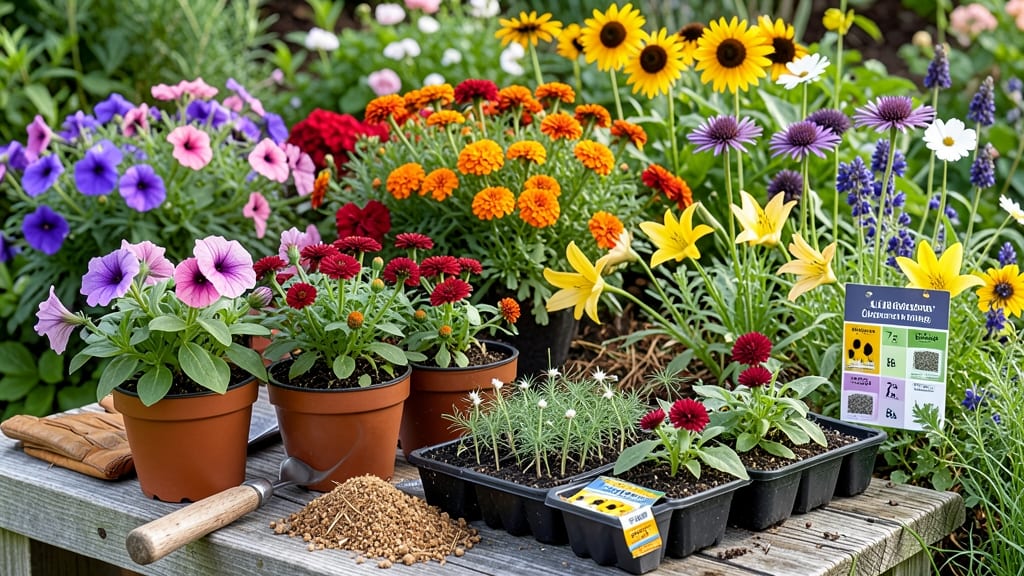
To plant flowers in Georgia at the perfect time means catching those late winter and early fall windows when the soil warms just enough for roots to take hold—but not so hot that blooms bolt before they open.
Georgia’s warm climate and diverse gardening zones create the perfect conditions for year-round blooms—but timing is everything to avoid wilting before flowers even open. One week too early in Zone 7a-9a, and a late frost will turn your 🌸 azaleas into sad, brown mush.
Whether you’re planting tender annuals like marigolds or hardy perennials like daylilies, the key is knowing your last frost date—March 15 in Atlanta or April 15 in Savannah—and adjusting for Georgia’s humidity and clay-heavy soil.
Below, I’ll break down the exact months for each flower type, how to prep your soil for Georgia’s unique climate, and the one mistake that kills more gardens here than anything else.
Georgia planting zones explained: when to start flowers by region
Georgia’s USDA planting zones 6A-8B create a unique gardening landscape where year-round blooms are possible with the right timing. Unlike northern states, Georgia’s mild winters and long growing seasons allow for both spring and fall planting opportunities.
But knowing your exact zone—and when to plant—is critical to avoid frost damage or heat stress in delicate blooms.
For example, Zone 7A (northwest Georgia) has an average last frost date of March 15, while Zone 8B (southwest Georgia) can start planting as early as February 15 for heat-tolerant varieties.
Understanding these microclimates helps you select flowers that thrive in your specific conditions, whether you're growing cool-season pansies or heat-loving zinnias.
Below is a zone-specific planting guide for Georgia’s most popular flowers, including annuals, perennials, and seasonal bloomers. Use this as your roadmap to timing transplants, sowing seeds, and mulching perennials for maximum impact.
🌱
Notice how Zone 6A gardeners must wait until March 15 to plant cool-season flowers, while Zone 8B gardeners can start as early as February 1. This 6-week difference explains why tender annuals like marigolds thrive in southern Georgia but may struggle in northern counties if planted too early.
For perennial flowers like azaleas and camellias, timing matters too. These acid-loving plants need to be planted in early spring (March-April) in Zone 7-8 to establish roots before summer heat sets in.
In contrast, summer-blooming perennials like black-eyed Susans should go in the ground by May 1 to avoid heat stress during germination.
Georgia’s humid summers
Best flower varieties for Georgia’s seasonal planting schedule
Georgia’s mild winters and long growing season let you enjoy continuous blooms year-round—but the key is planting at the right time. Cool-season flowers thrive in early spring and fall, while heat-loving varieties shine in summer.
By following this seasonal schedule, you’ll avoid wilted blooms and stunted growth from Georgia’s humidity and temperature swings.
For Zone 7-8 gardens, timing matters most. Plant cool-season flowers like pansies and snapdragons in September-October for winter color, then transition to spring bulbs like tulips and daffodils in January-February. Summer annuals such as petunias and zinnias should wait until after the last frost (typically mid-March in Atlanta).
Georgia Flower Planting Timeline
- 🌱 Fall (Sept-Oct): Cool-season flowers like pansies and snapdragons for winter blooms.
- ❄️ Winter (Dec-Feb): Plant tulip bulbs and daffodil bulbs for spring color.
- 🌸 Spring (Mar-Apr): Set out petunias, marigolds, and zinnias after last frost.
- ☀️ Summer (May-Jun): Transplant roses and hibiscus for mid-season blooms.
- 🍂 Late Summer (Aug-Sept): Add mums and asters for fall color before first frost.
Don’t overlook perennials like black-eyed Susans and coneflowers, which thrive when planted in early spring (March-April). These hardy varieties return year after year with minimal care, making them perfect for Georgia’s humid summers.
For containers, opt for heat-tolerant petunias or geraniums, which bloom prolifically in Georgia’s Zone 7-8 heat.
If you’re new to Georgia gardening, start with easy-care annuals like marigolds or cosmos. These low-maintenance flowers self-seed and handle Georgia’s clay-heavy soil better than fussy varieties. For longer blooms, mix in zinnias (which attract pollinators) and sunflowers (which thrive in full sun).
Pro tip: Use mulch to retain moisture in Georgia’s hot summers and protect roots from temperature swings. A 2-3 inch layer of organic mulch around perennials keeps soil cool and reduces watering needs. For container gardens, choose self-watering pots to handle Georgia’s intense afternoon sun.
With this seasonal schedule, your Georgia garden will burst with color from winter pansies to fall mums, proving that timing is everything in the Peach State’s unique climate. 🌿