
Flowers
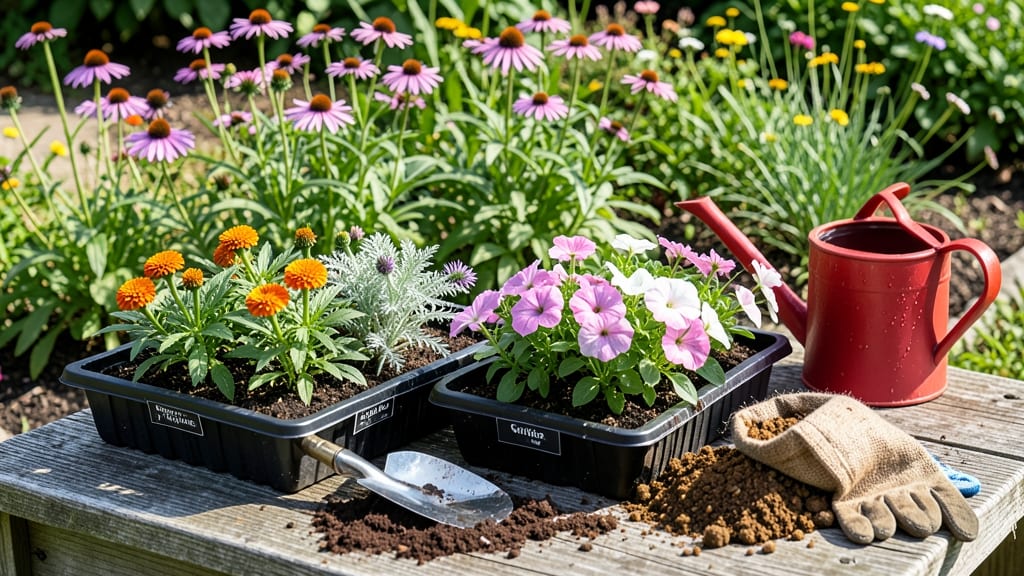
To plant flowers in Iowa, aim for early spring after the last frost—typically by April 15—when soil temperatures hit 50°F for perennials or slightly warmer for tender annuals.
Iowa’s short growing season means timing is everything—plant flowers too early, and frost will kill them; too late, and they’ll struggle to bloom. But with USDA Zone 5b’s precise deadlines, you can maximize your garden’s beauty year after year.
Annuals like marigolds and zinnias thrive when seeded directly after the last frost, while hardy perennials such as coneflowers and black-eyed Susans can go in the ground as early as March if you protect them with frost cloth.
Below, I break down the exact deadlines for spring and fall planting, soil prep tips, and how to adjust for Iowa’s unpredictable weather—so you’ll know when to plant for longer blooms and fewer missed opportunities.
Iowa’s best flower planting deadlines by season (USDA Zone 5b guide)
Iowa’s USDA Zone 5b climate demands precision when planting flowers—miss the window, and your blooms may never appear. The average last frost date hovers around April 15, but soil temperature (not air temperature) is your true guide.
Aim for 50°F or warmer before planting tender annuals, while hardy perennials and bulbs can go in earlier. Fall planting also matters: late August to mid-September offers the best chance for roots to establish before winter.
Understanding these deadlines transforms guesswork into a bloom-filled garden. For example, tulip bulbs need planting by October 15 to naturalize, while marigolds can wait until May 1 after frost risk passes.
Below, I’ve broken down the critical windows by flower type, so you can plan with confidence—no more wasted seeds or wilted dreams!
⚠️ PRO TIP: Use row covers or a mini greenhouse to extend your planting season by 2-3 weeks if late frosts threaten. This is especially useful for heat-loving annuals like zinnias or sunflowers.
For annual flowers, timing is non-negotiable—plant too early, and a late frost will kill seedlings. Start marigolds, zinnias, and sunflowers indoors 4-6 weeks before your last frost (around March 15) or wait until May 1 for direct sowing.
My go-to annuals for Iowa’s heat include black-eyed Susans and coreopsis, which handle our 90°F summers like champions.
Perennials are more forgiving but still need attention. Coneflowers and bee balm can handle early spring planting as soon as soil is workable (usually mid-March), while daylilies prefer late spring to establish roots before summer heat. Divide clumps every 3-4 years in early spring to keep them vigorous.
Don’t overlook fall planting—it’s your secret weapon for a spring surprise. Bulbs like tulips and daffodils need 6-8 weeks of cold to bloom, so plant them by October 15.
For annuals like cosmos and snapdragons, sow seeds in late August for fall blooms before the first frost hits in mid-October.
Iowa’s microclimates can shift planting windows by 1-2 weeks. If you live in a warmer southern county (like Scott County), you might plant 2 weeks earlier than someone in northern Worth County.
Use a soil thermometer to confirm readiness—50°F for annuals, 40°F for perennials—and watch the National Weather Service
Top 5 flowers to plant in Iowa (with exact timing for maximum blooms)
Iowa’s USDA Zone 5b climate rewards gardeners who time their plantings perfectly—especially for hardy perennials and heat-loving annuals. The key is planting when soil temperatures hit 50°F for perennials or 60°F for tender annuals, typically by mid-April.
But don’t wait too long—late plantings often mean fewer blooms before Iowa’s first frost in mid-October.
For maximum blooms, focus on these 5 top performers: coneflowers, black-eyed Susans, marigolds, zinnias, and tulips. Each thrives in Iowa’s conditions but has specific deadlines to avoid frost damage or missed growing seasons. Here’s exactly when to plant each for long-lasting color.
- 1. Coneflowers (Echinacea) – Plant in early spring (March 15–April 15) or fall (September 1–October 1) for year-round root establishment. These drought-tolerant perennials bloom from June to October with minimal care.
- 2. Black-Eyed Susans (Rudbeckia) – Direct-sow seeds in May after frost or transplant starts by April 30. They thrive in full sun and poor soil, making them Iowa’s low-maintenance superstar with blooms from July to frost.
- 3. Marigolds (Tagetes) – Sow seeds directly after last frost (May 1–15) for summer-long blooms. These heat-tolerant annuals deter pests and thrive in containers or garden beds, flowering until first frost.
- 4. Zinnias (Zinnia elegans) – Plant seeds in late May (after soil warms to 60°F) for bold, long-stemmed blooms. Pinch back young plants to encourage bushier growth and enjoy flowers from July to October.
- 5. Tulips (Tulipa) – Plant bulbs in fall (October 1–November 15) for spring blooms (April–May). Iowa’s freeze-thaw cycles help break dormancy, but avoid planting in summer—bulbs need cool soil to root.
🌱 Pro Tip: Mulch newly planted perennials with 2–3 inches of straw to protect roots from late spring frosts.
For annuals like marigolds and zinnias, don’t skip the soil prep—amend clay-heavy Iowa soil with compost or sand to improve drainage. These sun-loving varieties will reward you with vibrant blooms all summer if planted at the right time.
Fall is also a critical window for planting tulip bulbs and hardy perennials. The 6–8 weeks before first frost (early October) gives roots time to establish before winter. Avoid planting in wet or frozen soil, as this can rot bulbs or smother young perennials.
By following these exact deadlines, you’ll transform Iowa’s short growing season into a year-round floral display—from spring tulips to fall coneflowers. Happy planting! 🌺