
Flowers
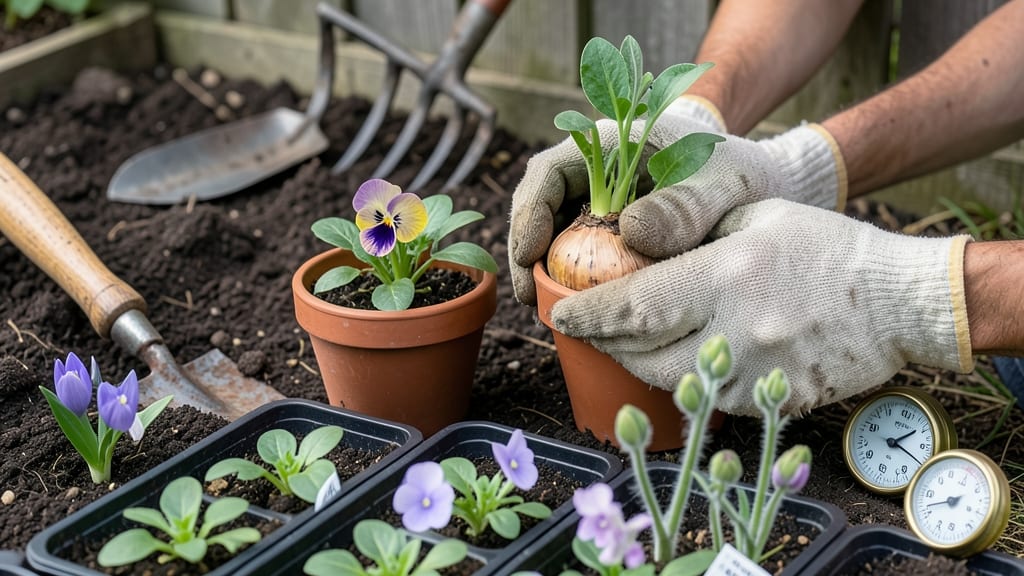
You can plant flowers in spring as soon as the soil warms to 50°F and the last frost has passed — typically late April in Zone 6a but earlier in warmer regions.
Timing is everything in gardening—plant your spring flowers too early and risk frost damage, too late and miss peak blooms. The secret to vibrant, long-lasting flowers lies in knowing the exact planting window for your USDA zone.
Whether you’re sowing seeds or transplanting young 🌸, the right moment ensures stronger roots, faster blooms, and fewer headaches. Below, I’ll break down the ideal months by zone, the best flowers for early vs. late spring, and how to prep your soil for success.
Ready to transform your garden into a burst of color? Let’s dive into the zone-specific schedule that guarantees your flowers thrive from the first day.
Spring flower planting calendar by USDA Zone: month-by-month breakdown
Spring is the perfect time to transform your garden into a vibrant canvas of color, but the key to success lies in planting your flowers at the right time. Timing varies dramatically across USDA zones, with cool-season flowers like pansies thriving in early spring and warm-season favorites like zinnias needing warmer soil.
Understanding your frost-free date and soil temperature is critical—plant too early, and frost will kill tender seedlings; too late, and you'll miss peak blooms.
To simplify, I've created a zone-specific planting calendar that covers USDA zones 3 through 11, including ideal transplant windows for both annuals and perennials. Whether you're in Alaska's Zone 3 or Florida's Zone 11, this guide ensures you plant at the perfect moment for maximum blooms.
Let's dive into the month-by-month breakdown that will set your garden up for success.
Pro Tip: Always check your local last frost date (available through USDA climate data or Almanac tools) and wait until soil temperatures reach at least 50°F (10°C) for warm-season flowers. For cool-season varieties, you can plant 4-6 weeks before the last frost date.
| USDA Zone | Early Spring (Cool-Season) | Mid-Spring (Transplant) | Late Spring (Warm-Season) | Notes |
|---|---|---|---|---|
| 3-4 | March 15 - April 15 | April 30 - May 15 | May 30 - June 15 | Use row covers; wait for soil 50°F+ |
| 5-6 | March 1 - April 15 | April 15 - May 10 | May 15 - June 1 | Start cool-season flowers indoors in Feb |
| 7-8 | February 15 - March 15 | March 15 - April 15 | April 15 - May 1 | Warm soil needed for warm-season starts |
| 9-10 | January 15 - February 15 | February 15 - March 15 | March 15 - April 1 | Long growing season; extend blooms into fall |
| 11 | December 15 - January 15 | January 15 - February 15 | February 15 - March 1 | Plant year-round; no frost risk |
For Zone 3-4 gardeners, early spring planting begins in mid-March with cool-hardy annuals like pansies, snapdragons, and sweet peas. These flowers can handle light frosts and even snow cover, making them ideal for early season color.
I recommend starting seeds indoors in late February to get a head start, especially for perennials like peonies or daylilies, which need time to establish roots before summer heat arrives.
In Zones 5-6, where frost dates can vary widely, focus on transplanting after April 15 for most annuals. This timing ensures your petunias, marigolds, and geraniums have enough warmth to thrive.
I’ve found that soil thermometers are worth the investment—planting when soil hits 60°F (15°C) guarantees better germination for warm-season flowers like zinnias and sunflowers.
Gardeners in Zones 7-8 enjoy longer growing seasons, but timing still matters. Early spring (February-March) is perfect for cool-season flowers, while warm-season varieties should wait until soil warms in mid-April.
I always plant heat-loving flowers like lantana and salvia after Memorial Day to avoid late spring frosts, which can still occur in these zones.
If you're in Zones 9-11, you’re in luck—your growing season never truly ends! Start cool-season flowers in late fall for winter blooms, and warm-season flowers can go in as early as January.
I love planting calendulas and nasturtiums in December for year-round color. Just be mindful of humidity levels
Best flowers to plant early vs. late spring for maximum blooms
Spring's fleeting beauty demands smart planning—planting the wrong flowers at the wrong time means missed blooms or frost damage. The key is matching flower types to your planting window, whether you're in Zone 5's chilly mornings or Zone 9's warm soil.
Early spring cool-lovers thrive when nights are still crisp, while late spring heat-seekers need soil that's warmed by summer's approach.
I've planted hundreds of annuals and perennials over the years, and the difference between a disappointing spring and a burst of color often comes down to these three timing categories: early spring (March-April), mid-spring (May), and late spring (June).
Each has its star performers that will reward you with nonstop blooms if planted correctly.
🌱 Spring Planting Timeline for Maximum Blooms
- Early Spring (March-April): Cool-season flowers like pansies and snapdragons thrive when soil temps are 40-50°F. Plant 6-8 weeks before last frost for early blooms.
- Mid-Spring (May): Transplant warm-season favorites like petunias and marigolds after last frost when soil reaches 60°F+. Ideal for container gardens and border edges.
- Late Spring (June): Heat-loving annuals such as zinnias and geraniums need 70°F+ soil. Direct-sow after Memorial Day in most zones for summer-long color.
- Pro Tip: Use mulch to regulate soil temps—black plastic warms soil faster for late spring plantings, while straw mulch protects early spring flowers.
For USDA Zones 3-5, start with pansies and violas in March—they tolerate light frosts and bloom earlier than most. I've seen pansies still flowering in 20°F!
Their secret? Thick foliage acts like a natural blanket. Pair them with snapdragons, which add vertical interest and butterfly magnet appeal.
By late May in Zones 6-8, shift to heat-tolerant annuals like zinnias and celosia. These summer superstars handle 90°F+ temps and drought conditions once established. I always plant zinnias around Mother's Day—they explode with color just as spring fatigue sets in!
For containers, geraniums and portulaca are my go-tos—they thrive in heat and require minimal water.
Don't overlook perennials for late spring! Black-eyed Susans and coneflowers can be planted in May-June for next year's blooms. Their deep roots establish quickly in warm soil, giving them a head start over spring-planted varieties.
I've found that dividing perennials in late spring also boosts their vigor—just be sure to water deeply after transplanting.
Remember: Soil temperature matters more than air temperature. Use a soil thermometer (they're cheap!) to check—50°F is ideal for cool-season flowers, while 60°F+ is needed for warm-season varieties. And always harden off container-grown plants before setting them outside to avoid shock.
With this strategy, you'll enjoy continuous blooms from April through October—no bare patches in sight! 🌸