
Flowers
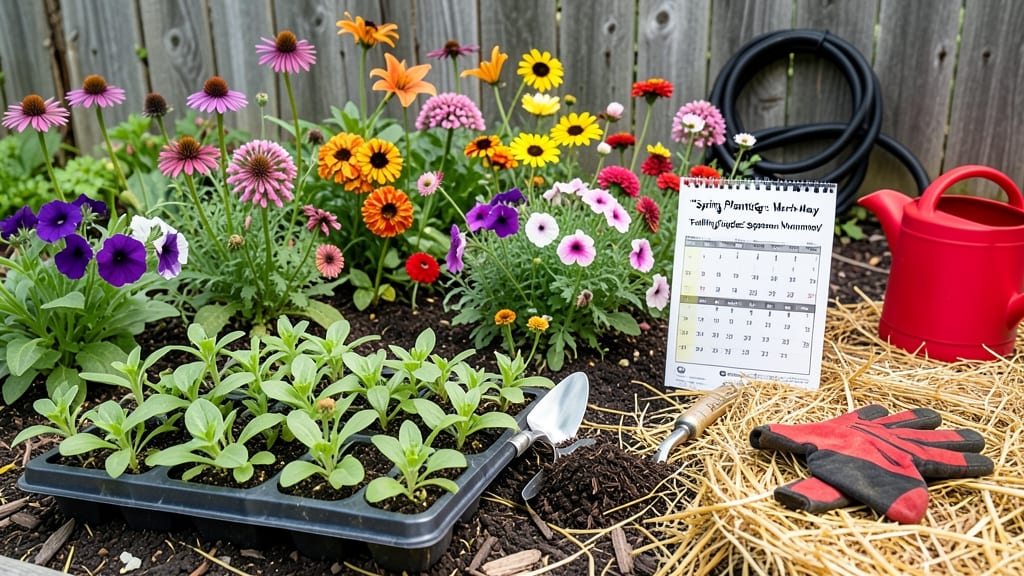
Planting flowers in Kansas at the right time ensures vibrant blooms and thrives in USDA Zones 5b to 7a 🌸 — and missing the window can mean frost-burned petals or stunted growth.
Kansas gardeners know the drill: unpredictable spring weather and late frosts can turn a well-meaning planting into a gamble. Whether you’re dreaming of summer marigolds or hardy fall mums, timing is everything.
From March’s first tulip bulbs to September’s late-season asters, this guide breaks down the exact planting calendar for your zone, plus soil prep tricks to beat Kansas’ extremes.
You’ll learn how to stretch your bloom season, avoid three common mistakes that kill Kansas gardens, and pick the best flowers for each month—so your yard stays colorful from spring to frost.
Kansas flower planting calendar by USDA zone 5-7 and bloom season
Kansas gardeners know timing is everything when it comes to planting flowers. With USDA Zones 5-7 and unpredictable spring frost dates, choosing the right time to plant can make or break your blooms.
I’ve broken down the best months to plant annuals, perennials, and bulbs across Kansas—including adjustments for Wichita, Kansas City, and Topeka—so you can enjoy vibrant gardens from spring to fall.
The key to success in Kansas is understanding your last frost date (typically mid-April) and your first frost date (usually mid-October). These dates help determine when to plant cool-season flowers versus warm-season varieties.
For example, tulips and daffodils thrive when planted in fall or early spring, while marigolds and zinnias need to wait until after the last frost.
Below is your month-by-month guide, tailored to Kansas’ unique climate. Whether you’re a beginner or a seasoned gardener, this calendar will help you maximize blooms and minimize frustration.
| Month | Plant Type | Best Flowers to Plant | Notes for Kansas |
|---|---|---|---|
| February | Bulbs | Tulips, Daffodils, Hyacinths | Plant in containers or protected areas for early spring blooms. |
| March | Perennials, Cool-Season Annuals | Pansies, Snapdragons, Calendula | Start seeds indoors or plant hardy varieties after soil thaws. |
| April | Annuals, Perennials | Petunias, Geraniums, Lavender | Wait until after last frost (mid-April) for warm-season flowers. |
| May | Warm-Season Annuals | Marigolds, Zinnias, Sunflowers | Ideal for full sun; mulch to retain moisture. |
| June-July | Succession Planting | Cosmos, Nasturtiums, Vinca | Plant every 2-3 weeks for continuous blooms. |
| August-September | Fall Perennials, Bulbs | Mums, Asters, Fall Crocus | Plant perennials 6-8 weeks before first frost. |
| October | Bulbs for Spring | Tulips, Daffodils, Alliums | Plant before ground freezes for early spring color. |
For gardeners in Wichita, which tends to be slightly warmer, you can push planting dates 1-2 weeks earlier in spring and 1 week later in fall.
In Kansas City and Topeka, where nights can be cooler, extend the planting window for cool-season flowers by 1-2 weeks in early spring and late fall.
One of my favorite tricks for Kansas gardens is succession planting. By staggering plantings every 2-3 weeks in late spring and summer, you ensure a steady supply of blooms. For example, plant zinnias in early May, then again in late June to enjoy flowers until frost.
Don’t forget to prepare your soil before planting. Kansas’ clay-heavy soil benefits from compost and organic matter to improve drainage and fertility. A simple soil test can help you determine if your garden needs lime, phosphorus, or potassium to support vibrant blooms.
If you’re planting perennials, early fall is often the best time. The cooler temperatures help roots establish before winter, and you’ll see stronger growth in spring. For annuals like marigolds or sunflowers, wait until after the last frost—typically mid-April—to avoid frost damage.
Finally, keep an
Best flowers to plant in Kansas by season for long-lasting color
Kansas gardeners know that seasonal timing is everything for long-lasting blooms. With USDA Zones 5-7 and extreme temperature swings, choosing the right flowers—and planting them at the perfect time—can transform your garden from mediocre to spectacular.
I’ve tested these top-performing varieties over years of Kansas gardening, and they consistently deliver vibrant color while handling our hot summers and chilly springs.
For spring color, focus on hardy bulbs like daffodils and tulips, which thrive in cool soil and bloom early. Summer demands heat-tolerant annuals such as marigolds and zinnias, while fall offers a second wave of color with mums and asters.
Each season has its own planting window, care requirements, and maintenance tips to keep your garden thriving.
🌱 Spring Flowers (Plant in March-April)
- Daffodils & Tulips – Plant bulbs in October-November for early spring blooms. Choose deer-resistant varieties like 'Ice Follies' tulips.
- Bleeding Heart – Thrives in partial shade and moist soil. Plant crowns in early spring after frost danger passes.
- Lungwort – Drought-tolerant perennial with silvery foliage. Plant in spring or fall for best establishment.
☀️ Summer Flowers (Plant after last frost, May-June)
- Zinnias – Heat-loving annuals that bloom nonstop until frost. Deadhead regularly for continuous color.
- Marigolds – Disease-resistant and deer-proof. Plant seeds directly in warm soil for best results.
- Lantana – Drought-tolerant and hummingbird magnet. Pinch back early to encourage bushier growth.
🍂 Fall Flowers (Plant in August-September)
- Mums (Chrysanthemums) – Plant tubing varieties in early fall for long-lasting color. Mulch heavily to protect roots.
- Asters – Late-season bloomers that attract butterflies. Choose drought-resistant varieties like 'Alma Potschke'.
- Russian Sage – Low-maintenance perennial with silvery foliage. Shear back in early spring to encourage new growth.
To maximize bloom longevity, I recommend mulching around plants to retain moisture and regulate soil temperature. For summer annuals, water deeply early in the morning to prevent fungal diseases from overnight humidity. Deadheading spent blooms encourages more flowers and keeps your garden looking neat and vibrant.
Kansas’ unpredictable weather can challenge even the hardiest plants, but with these seasonal favorites and a few simple care tips, you’ll enjoy long-lasting color from spring through fall.
Start with spring bulbs, transition to summer annuals, and cap off the season with fall perennials for a nonstop floral show.
Pro tip: Group flowers by color and height for a stunning visual impact. Tall varieties like delphiniums belong at the back, while pansies and snapdragons thrive in containers or borders. Happy planting! 🌻