
Flowers
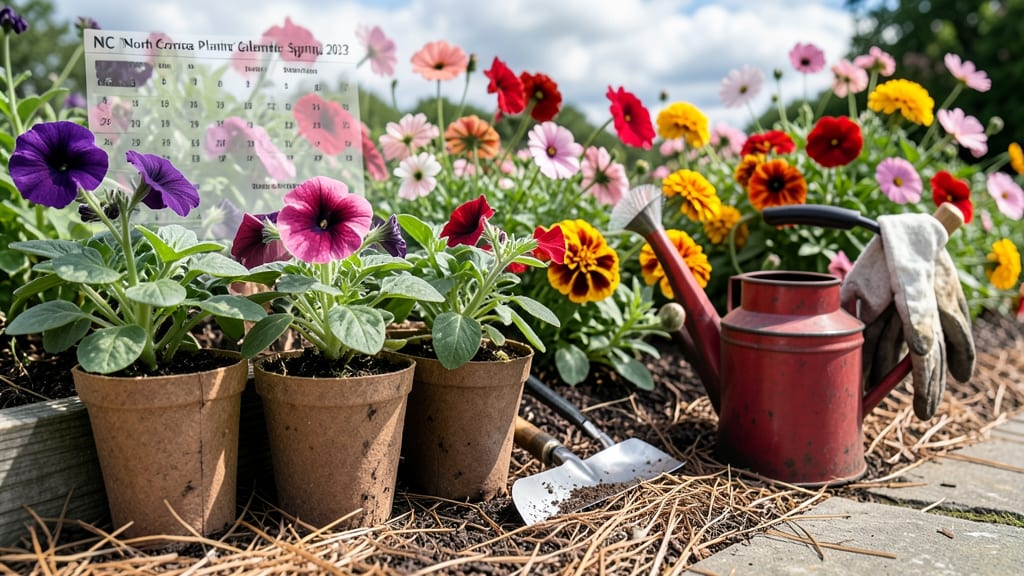
To plant flowers in NC at the right time means timing your blooms for maximum vibrancy—and avoiding the heartbreak of frost-killed petals before they even open.
North Carolina’s diverse climate—from the mountains to the coast—means your flower planting timing can make or break your blooms. Get it right, and you’ll enjoy vibrant gardens all season long; get it wrong, and you might end up with wilting petals before they even peak.
In this guide, I’ll break down the exact months to plant annuals, perennials, and bulbs across NC’s USDA zones 6b-8a, including regional tweaks for frost dates and humidity.
Whether you’re in the Piedmont or the coast, you’ll know when to start seeds indoors, when to transplant, and how to stretch your blooms from spring to fall.
Ready to transform your garden? You’ll also find a downloadable checklist for prepping beds, choosing the best flowers for your zone, and pro tips to beat NC’s unpredictable weather—so your 🌸 stay lively all season.
North Carolina planting zones: when to plant flowers by region (mountains vs. Piedmont vs. coastal)
North Carolina spans USDA hardiness zones 6b through 8a, creating dramatic differences in planting windows from the cool mountain valleys to the warm coastal plains.
In the Blue Ridge Mountains (Zone 6b), last frosts linger until mid-March, while coastal Zone 8a areas near Wilmington may see year-round blooms for heat-loving varieties. Even within these regions, urban heat islands can push planting dates 2-3 weeks earlier than rural areas.
Understanding these microclimates helps you avoid late frosts that can kill tender seedlings or heat stress that stunts summer blooms. For example, pansies thrive in mountain zones when planted in September, but coastal gardeners can start them as early as August for fall color.
Let’s break down the exact planting windows for your region to maximize blooms.
🌱 Key Takeaway: Mountain zones (6b) have 40-50 frost-free days longer than coastal zones (8a), but elevation changes can create microclimates within a single county. Always check your specific last frost date—tools like the NC State Climate Office’s frost calculator are invaluable.
| Region/Zone | Last Frost Date | First Frost Date | Cool-Season Flowers (Annuals/Perennials) | Warm-Season Flowers (Annuals) | Bulbs (Spring) |
|---|---|---|---|---|---|
| Mountains (6b) | Mid-March | Mid-November | Feb 15 - Apr 15 | May 1 - June 15 | Oct 1 - Nov 15 |
| Piedmont (7a) | Early March | Late October | Feb 1 - Apr 1 | Apr 15 - June 1 | Sep 15 - Nov 1 |
| Coastal (8a) | Late February | Early December | Jan 15 - Mar 15 | Mar 15 - May 15 | Sep 1 - Oct 15 |
| Urban Heat Islands (All Zones) | 2-3 weeks earlier | 2-3 weeks later | Adjust dates +2 weeks | Adjust dates +2 weeks | Adjust dates -2 weeks |
*Adjust for microclimates: Higher elevations (e.g., Asheville) follow mountain dates; valleys (e.g., Charlotte) align with Piedmont.
For cool-season flowers like pansies, snapdragons, and sweet alyssum, mountain gardeners should start seeds indoors by February 1 to transplant outdoors in March.
Coastal gardeners can direct-sow outdoors as early as January 15, thanks to milder winters. Perennials like black-eyed Susans and coneflowers can be planted in early spring (March-April) across all zones, but they’ll establish faster in Zone 8a where soil warms earlier.
Warm-season annuals like impatiens, zinnias, and marigolds demand soil temperatures above 60°F to germinate.
In the mountains (Zone 6b), wait until May 1 to sow seeds or transplant seedlings, while coastal gardeners can start in late March. Succession planting every 2-3 weeks ensures continuous blooms—critical for summer-long color in Zone 8a, where heat can stress plants by July.
🌿 Pro Tip: Test your soil temperature with a soil thermometer ($10 at garden centers). Warm-season flowers need 60-70°F soil to thrive; cooler soils delay germination by weeks. Mountain gardeners often need to start seeds indoors to beat the last frost.
Bulbs like tulips and daffodils should be planted in fall (September-November) to naturalize, but timing varies by zone. Mountain gardeners (Zone 6b) have until November 15, while coastal gardeners (Zone 8a)
Best flowers to plant in NC by season: timing for year-round color
North Carolina’s four distinct seasons create perfect opportunities for year-round blooms, but timing is everything. Whether you're in the cool mountain regions or humid coastal plains, choosing the right flowers for each season ensures your garden stays vibrant from spring to winter.
I’ve tested these varieties in my own garden, and they consistently deliver stunning results when planted at the optimal times.
The key to seasonal color lies in understanding which flowers thrive in NC’s warm and cool seasons. Some varieties, like pansies and snapdragons, can handle winter’s chill, while others, such as impatiens and zinnias, need the warmth of summer.
Let’s break down the best flowers to plant each season and the exact timing for transplanting them.
🌱 Seasonal Planting Calendar for NC Gardens
- 🌸 Winter (Jan-Feb): Plant pansies, violas, and hellebores 4-6 weeks before last frost (late Jan-early Feb in most zones). These cold-hardy annuals bloom even in 30°F temperatures.
- 🌿 Spring (Mar-Apr): Transplant tulips, daffodils, and sweet peas in early spring (Feb-Mar) for early blooms. Add coleus and impatiens after last frost (mid-Apr in Piedmont).
- ☀️ Summer (May-Jul): Plant zinnias, marigolds, and sunflowers after Memorial Day (May 30) when soil temps reach 60°F+. Succession plant cosmos and black-eyed Susans every 3 weeks for continuous blooms.
- 🍂 Fall (Aug-Oct): Start mums, asters, and salvias in late summer (Aug) for fall color. Plant crocus and winter aconite bulbs in Sept-Oct for early spring blooms.
For mountain gardeners (Zone 6b), aim to plant cool-season flowers like snapdragons and sweet alyssum in early spring (March) and warm-season flowers like petunias and geraniums after May 15.
In coastal areas (Zone 8a), you can extend your season by planting winter jasmine and camellias as early as October, while summer bloomers like hibiscus thrive with late-May starts.
Pro tip: Use mulch to protect early spring plants from late frosts and shade cloth to safeguard summer flowers from intense midday sun. I’ve found that drip irrigation helps maintain consistent moisture, especially during NC’s humid summers.
Don’t forget to deadhead spent blooms regularly—this encourages longer flowering seasons. For example, zinnias can bloom from summer through early fall if you remove faded flowers weekly. Pairing annuals with perennials also creates a seamless transition between seasons.
With this seasonal guide, your NC garden can burst with color every month, from winter pansies to fall mums. Start with just a few varieties each season, and expand as you gain confidence. Happy planting! 🌷