
Flowers
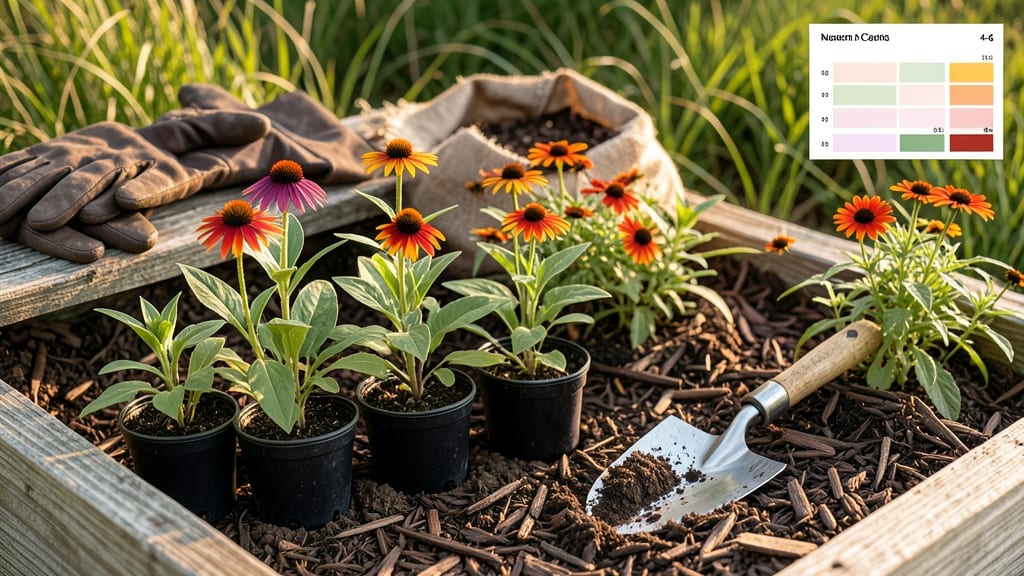
To plant flowers in Nebraska at the perfect time means timing your spring and fall plantings with the last frost—typically mid-April—and avoiding the brutal summer heat.
Nebraska’s unpredictable weather can make flower gardening tricky—but timing your plantings correctly ensures vibrant blooms from spring to fall. Whether you're a first-time gardener or a seasoned pro, knowing the exact zone-specific months for planting flowers in Nebraska is the key to a thriving garden.
In USDA zones 5a-6b, most annuals and perennials thrive when planted between April 15 and May 15, while bulbs like tulips need a fall window of August 1 to September 15. But don’t just guess—soil temperature and microclimates (like wind exposure) can shift your schedule by weeks.
Below, I break down the best months for each flower type, how to adjust for late frosts, and which varieties handle Nebraska’s droughts and winds like a pro. Ready to turn your garden into a year-round showstopper?
Nebraska planting zones & best months by flower type
Nebraska spans USDA hardiness zones 4-6, creating distinct planting windows for flowers depending on your location. Eastern Nebraska (like Omaha) typically falls in zone 5b-6a, while western areas (such as Scottsbluff) are often zone 4b-5a.
These zones dictate when to plant annuals, perennials, and bulbs to avoid frost damage and maximize blooms.
Understanding your last frost date is critical—most of Nebraska experiences its final spring frost between April 15-30, with western areas often waiting until early May. For fall plantings, the first frost usually arrives October 1-15, leaving a narrow window for late-season flowers like cosmos or marigolds.
Cold-hardy flowers like tulips, daffodils, and peonies can be planted in early spring (March-April) or even fall (September-October) for early blooms. In contrast, heat-loving annuals such as marigolds and zinnias thrive when planted after May 1, once soil temperatures exceed 55°F.
Regional variations matter: Eastern Nebraska’s milder winters allow for slightly earlier spring plantings, while western Nebraska’s harsher conditions require waiting until mid-May for tender annuals. Always check your local Almanac frost dates or use a soil thermometer to confirm readiness.
For annual flowers, direct sow seeds 2-3 weeks after your last frost date.
In Nebraska, this typically means late April to mid-May in eastern zones and mid-May to early June in western areas. Slow-growing annuals like petunias or snapdragons may need to be started indoors in March for earlier blooms.
Perennials like coneflowers and daylilies can often be planted in either spring or fall. Fall planting (September-October) gives roots time to establish
How to adjust planting times for Nebraska’s unpredictable weather
Nebraska’s late spring frosts and early fall freezes can throw off even the best-laid gardening plans. I’ve learned the hard way that planting too early can mean frost-damaged blooms, while waiting too long risks stunted growth before winter.
The key is flexibility—using soil temperature, microclimates, and staggered planting to outsmart Mother Nature.
Start by checking soil temperatures with a thermometer—most flowers thrive when soil is at least 50°F for spring or 60°F for fall. In Nebraska’s USDA zones 5a-6b, this often means waiting until mid-to-late May for spring plantings, even if frost dates suggest otherwise.
For fall, aim for late August to early September to avoid early cold snaps.
- 🌱 Spring: After May 15 (soil 50°F+)
- 🌿 Fall: Before Sept 15 (soil 60°F+)
- ☀️ Heatwaves: Wait until temps drop below 85°F
- 🌡️ Frost Dates: Use 3-week buffer after last frost
- ❄️ Spring: Before May 1 (frost risk)
- 🔥 Fall: After Sept 20 (early freeze)
- 🌡️ Soil Too Cold: Below 45°F in spring
- 💦 Drought Stress: Planting during heatwaves
For continuous blooms, I use a staggered planting schedule. For example, plant marigolds every 2 weeks from May through July—this ensures flowers bloom at different times, extending your season. Similarly, succession planting works for zinnias and cosmos, which handle Nebraska’s heat better than delicate petunias.
Protect tender plants with frost cloths or row covers if late frosts threaten. I’ve saved geraniums and begonias by covering them at night and removing covers during the day.
For drought-prone areas, group plants with similar water needs and mulch heavily to retain moisture—this is especially critical in Nebraska’s western regions where rainfall is scarce.
Monitor your garden’s microclimates: A south-facing wall can add 5-10°F warmth compared to open areas, while low spots may stay cooler longer. Use this to your advantage—plant heat-sensitive flowers like impatiens near walls, while drought-tolerant varieties like lavender thrive in exposed spots.
When in doubt, start seeds indoors 6-8 weeks before your target planting date. This gives seedlings a head start and lets you transplant them once outdoor conditions improve. I’ve had great success with tomato flowers (yes, they count!) and calendulas using this method in Nebraska’s shorter growing season.