
Flowers
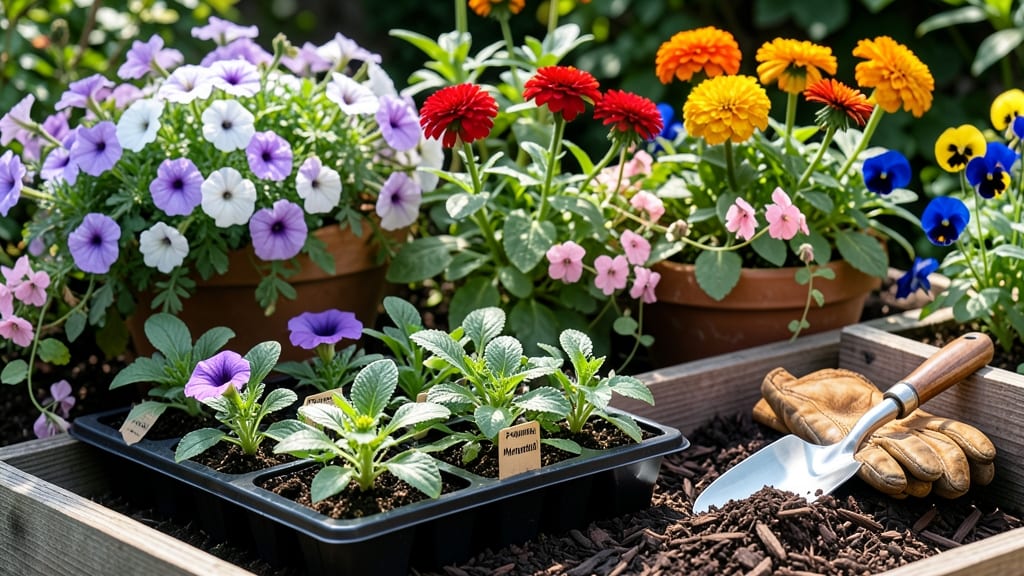
Plant flowers in New Jersey between March and May for spring blooms and again in September and October for fall displays, aligning with your USDA Zone 6a-7b climate.
New Jersey’s unpredictable spring weather can leave gardeners guessing—plant too early, and frost zaps your blooms; too late, and you miss peak flowering season. But with the right timing, you can transform your NJ garden into a year-round floral paradise.
For perfect blooms, focus on cool-season flowers like pansies and violas in early spring, then shift to heat-loving annuals like marigolds and petunias by June. Bulbs like tulips and daffodils need planting in fall, while perennials thrive when transplanted in spring.
Below, I’ll break down the best months for each flower type, frost-free date adjustments, and how to extend your blooming season—so you can enjoy year-round color without the guesswork.
NJ planting calendar by flower type: best months for annuals, perennials & bulbs
New Jersey’s USDA Zones 6a-7b create a unique gardening challenge—cool coastal breezes in the south contrast with colder inland winters in the north. Timing is everything to avoid frost damage while maximizing bloom seasons.
Whether you’re planting cool-season annuals like pansies or warm-season perennials such as coneflowers, understanding these regional variations ensures your garden thrives year-round.
For North Jersey (Zone 6a), last frost typically arrives around April 20-25, while South Jersey (Zone 7a) sees frost-free conditions by March 25-April 10.
This 2-3 week difference means gardeners in the southern half can plant earlier, but both regions share similar fall planting windows (September-October) for cool-season blooms.
🌱Pro Tip: Use row covers or cold frames to extend your planting season by 2-4 weeks in early spring or late fall.
For annual flowers, the key is dividing them into cool-season (planted in early spring or fall) and warm-season (planted after last frost). Cool-season annuals like pansies and sweet alyssum can handle light frosts, while warm-season varieties such as marigolds and zinnias need soil temperatures above 60°F to thrive.
🌿Region-Specific Tip: In South Jersey, you can start warm-season annuals in containers indoors by late February, giving them a head start before transplanting after April 15. North Jersey gardeners should wait until May 1 to avoid late
How to adjust planting times for NJ’s microclimates & frost risks
New Jersey’s microclimates create unique challenges—coastal areas stay milder, while inland zones can drop below freezing unexpectedly. To protect your spring flowers, start by checking your last frost date, which ranges from April 1-15 in North Jersey to April 15-30 in South Jersey.
Use these dates as your baseline, but always monitor weekly forecasts for late frosts.
For urban gardeners in cities like Newark or Trenton, container gardening offers flexibility. Pots can be moved indoors or under row covers when nighttime temps dip below 32°F. Choose cold-hardy varieties like pansies or snapdragons, which tolerate light frosts better than delicate petunias or marigolds.
Soil temperature matters just as much as air temperature. Use a soil thermometer to confirm when soil reaches 60°F—the ideal warmth for planting warm-season flowers like zinnias or cosmos.
In cooler microclimates (e.g., USDA Zone 6a), wait until mid-May to plant heat-lovers, while Zone 7b gardeners can start as early as late April.
⚠️ Frost Protection Hacks for NJ Gardeners
- Row Covers: Use lightweight fabric to shield seedlings from 28°F temps (e.g., frost cloth over pansies).
- Cloche Tunnels: DIY with plastic bottles or buy bell jars for delicate blooms like tulips.
- Mulch Thickly: Apply 3-4 inches of straw or leaves to insulate soil and roots.
- Avoid Overwatering: Wet soil conducts cold—water deeply but less frequently before frost.
🌡️ Pro Tip: Group heat-loving plants together to create a microclimate that warms faster.
Extend your blooming season by planting succession crops. For example, sow cosmos seeds every 2 weeks from May through July to ensure continuous summer color. Similarly, fall-planted bulbs like crocuses or daffodils (planted in October-November) will reward you with early spring blooms.
Monitor local weather patterns using tools like the NJ State Climate Office or NOAA frost maps. For instance, North Jersey (e.g., Bergen County) often sees later frosts than South Jersey (e.g., Cape May).
Adjust your planting timeline accordingly—delay tender annuals by 1-2 weeks if you’re in a colder pocket.
For container gardens, prioritize fast-growing flowers like bachelor’s buttons or calendulas, which establish quickly and tolerate transplanting better. Place pots near south-facing walls to absorb and radiate warmth, creating a 10°F warmer microclimate than open-air beds.
In urban heat islands, this can mean the difference between frost damage and thriving blooms.