
Flowers
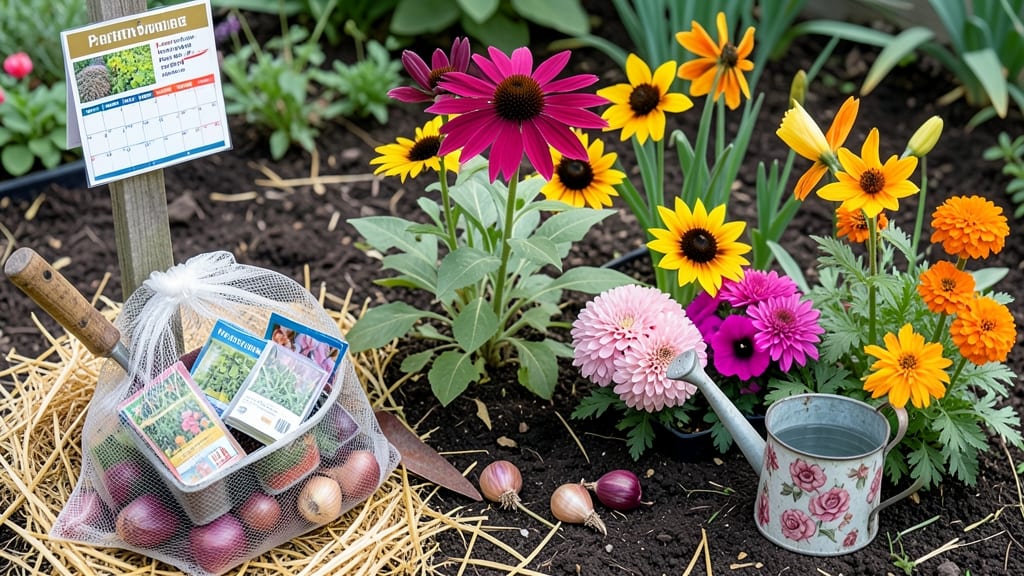
Planting flowers in Pennsylvania at the right time ensures vibrant blooms all season long 🌸 — aim for March to May in spring and August to September in fall to align with your hardiness zone.
Timing your flower planting in Pennsylvania can mean the difference between vibrant blooms and a disappointing garden—get it wrong, and you risk frost damage, stunted growth, or missed seasonal displays.
With zones ranging from 5b to 7a, Pennsylvania’s climate offers a 165-day frost-free window, but late frosts can still sneak in. Knowing your last frost date (mid-April on average) is the key to avoiding lost seedlings.
Below, I’ll break down the best months for annuals, perennials, and bulbs, plus soil prep tips and care tricks to keep your garden thriving from the first bloom to the final frost.
Pennsylvania planting zones: when to plant flowers by hardiness Zone
Pennsylvania spans USDA Hardiness Zones 5b through 7a, meaning frost dates and planting windows vary by region. In Zone 5b (northern PA), last frosts average April 15-30, while Zone 7a (southern PA) sees last frosts March 15-April 15.
These differences create a 4-week window for planting annuals between northern and southern PA.
For perennials and bulbs, fall planting (August-September) is ideal in all zones, allowing roots to establish before winter. Annuals should wait until after the last frost date, with Zone 5b gardeners holding off until mid-May while Zone 7a can plant as early as mid-April.
Heat tolerance also varies—Zone 7a can handle late-summer annuals like zinnias and marigolds until October 15, while Zone 5b may need to start these indoors by June for fall blooms.
🌱
In Zone 5b, I recommend starting tender annuals like impatiens indoors by March 1 to ensure they’re ready for late-May planting. For Zone 7a, you can direct-sow warm-season flowers like sunflowers as early as April 1 if nighttime temperatures stay above 50°F.
Fall planting in Zone 6a (central PA) is especially critical for bulbs like tulips and daffodils, which need 6-8 weeks of cool weather to root before winter. Plant them by September 15 to avoid early frost damage.
For heat-sensitive perennials like peonies and daylilies, spring planting in Zone 7a can begin as early as March 15, while Zone 5b gardeners should wait until May 1 to avoid late-spring frosts.
Always check your local microclimate—urban areas like Philadelphia (Zone 7a) may experience heat islands that allow earlier planting of heat-lovers, while rural mountain regions in Zone 5b might need to delay until June 1 for safety.
Use row covers in Zone 5b to extend the season for tender annuals like begonias until October 15, pushing your blooms 2-3 weeks longer than the average first frost.
🌿
Best flowers to plant in Pennsylvania by season: spring vs. fall timing
Pennsylvania’s diverse climate—from snowy winters to humid summers—means your flower planting schedule should adapt to seasonal shifts. Spring brings early bloomers like tulips and daffodils, while fall sets the stage for hardy perennials and bulbs that brave winter.
Getting the timing right ensures your garden thrives year-round, with minimal frost damage and maximized bloom potential. Whether you’re a beginner or seasoned gardener, these seasonal strategies will help you plan like a pro.
In spring, focus on cold-hardy annuals and perennial transplants once the soil warms to 50°F (10°C). This is prime time for black-eyed Susans, bee balm, and coreopsis, which love Pennsylvania’s full sun conditions.
Meanwhile, fall planting (August–September) gives bulbs like daffodils and chrysanthemums a head start on root growth before winter dormancy. Both seasons offer unique opportunities to diversify your garden with minimal effort.
- Early Spring (March–April): Plant cold-hardy bulbs like tulips and crocuses as soon as the ground is workable. Perennials like peony and daylily can also go in early spring for established roots before summer heat.
- Late Spring (May): After the last frost date (typically mid-April in most of PA), sow annuals like marigolds, petunias, and sunflowers. These thrive in warm soil and long daylight hours.
- Summer (June–July): Add heat-tolerant plants like zinnias or lantana for late-season color. Succession plant fast-growing annuals every 2–3 weeks to keep blooms coming.
- Fall (August–September): Plant fall-blooming bulbs like chrysanthemums and aster, plus spring-blooming bulbs (e.g., daffodils) for next year’s early-season blooms. Perennials like coneflower benefit from fall planting to establish roots.
For spring planting, prioritize native Pennsylvania flowers that thrive in Zone 5–7. Black-eyed Susans and purple coneflowers are low-maintenance and attract pollinators all season. In fall, opt for bulbs like alliums or tulips, which naturalize beautifully over time.
Both seasons benefit from well-draining soil and mulch to protect roots from temperature swings.
Pro tip: Use row covers in early spring to extend the season for heat-loving annuals like geraniums. In fall, plant bulbs 6–8 weeks before frost to ensure they root before dormancy. This simple adjustment can double your bloom time the following spring.
Don’t overlook container gardening for seasonal flexibility. Potted petunias or pansies can be moved indoors or to protected spots during late frosts, while hardy perennials like hostas thrive in shadier fall gardens.
With the right timing, your Pennsylvania garden can burst with color from spring to frost.
Remember, local nurseries are your best resource for region-specific advice. They often carry PA-adapted varieties that outperform generic plants. Start with 3–5 key flowers per season, and expand as you master the timing. Your garden will thank you with vibrant blooms and minimal stress.