
Flowers
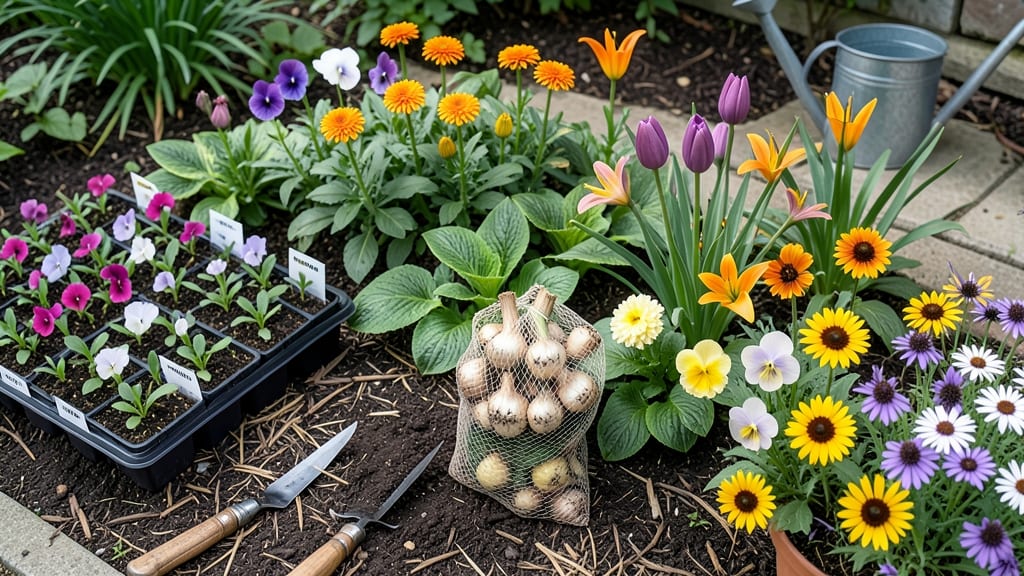
To plant flowers in Rhode Island, aim for April 15–May 15 after the last frost—skipping this window risks stunted growth or lost blooms before summer’s peak.
Rhode Island’s unpredictable spring weather can turn a gardener’s dream of vibrant blooms into a guessing game—but timing your flower plantings just right ensures a showstopping garden from spring to frost.
In USDA Zone 6a, where last frosts average between April 15 and May 15, the right variety and planting strategy mean the difference between wilting disappointment and a garden that steals the neighborhood’s attention.
Below, I break down the exact deadlines for annuals, perennials, and bulbs—plus how to adjust for coastal vs. inland microclimates—so you can plant with confidence and enjoy blooms from May through October.
Rhode Island flower planting deadlines by season: exact dates for annuals, perennials, and bulbs
Timing your flower plantings in Rhode Island isn’t just about avoiding frost—it’s about syncing with the state’s unique coastal vs. inland microclimates and soil temperature shifts.
The last average frost date (April 15) and first frost (October 15) bookend your growing window, but inland areas like Providence often warm 2–3 weeks earlier than coastal spots like Newport.
For example, tulip bulbs need chilling by December but can’t be planted until mid-October—or risk rotting in soggy fall soils.
Here’s the key rule: Wait until soil temperatures hit 50°F for spring plantings and plant bulbs 6–8 weeks before your first hard frost for fall blooms. Coastal gardens may need to delay heat-loving zinnias by 1–2 weeks compared to inland beds.
Let’s break down the exact deadlines for your favorite flowers, plus how to adjust for Rhode Island’s quirks.
For cool-season flowers like pansies and snapdragons, the window opens March 15—but coastal gardeners should wait until April 1 to avoid salt spray damage. These hardy annuals thrive in 40–50°F soil and can even handle light frosts, making them ideal for early spring color.
My trick? Plant them in raised beds if your yard floods easily—excess moisture turns their roots to mush.
Heat-loving annuals such as marigolds and zinnias demand patience. Don’t rush them out before May 10, even inland, because soil temperatures below 60°F stunt growth. Start seeds indoors 4–6 weeks before your last frost (around April 1) for a head start.
Coastal areas? Wait until May 15—the extra week ensures roots establish before summer’s humidity hits.
Perennials like coneflowers and black-eyed Susans are forgiving but benefit from two planting windows: spring (April 1–May 15) for bare-root plants and fall (September 1–15) for container-grown varieties. The key is soil temperature consistency—wait until it’s 50°F+ to avoid shock.
Pro tip: Divide clumps every 3–4 years in early spring to rejuvenate blooms. Overcrowding leads to leggy stems and fewer flowers.
Bulbs are where Rhode Island’s microclimates really matter. Tulips and daffodils need 6–8 weeks of chilling, so plant them October 1–November 15. Inland areas can push this to mid-November, but coastal zones risk soggy soils—stick to early October.
For fall-blooming bulbs like crocuses, plant September 15–October 10 when soil is still warm but frost isn’t imminent.
One mistake I’ve seen too often? Ignoring soil temperature and planting based on air temperature alone.
How to extend your Rhode Island flower season: cold-hardy varieties and frost-protection hacks
Rhode Island’s Zone 6b climate delivers 165 frost-free days, but early frosts can still cut your flower season short. The key to a longer bloom time lies in selecting cold-hardy varieties and using frost-protection hacks to shield tender plants.
By combining the right flowers with simple tools like row covers and cloches, you can push your garden’s beauty well into October—or even November.
For example, cosmos and black-eyed Susans naturally thrive in cooler weather, while petunias and geraniums need extra care to survive Rhode Island’s chilly nights. My strategy?
Start with 10 cold-hardiest flowers proven to withstand 28°F temperatures, then layer in protective gear like lightweight row covers or mini-greenhouses to buy extra weeks of blooms.
Here’s the game-changer: Indoor seed starting 12 weeks before your last frost (around January 15) gives delicate annuals like marigolds and zinnias a head start. Pair this with late-summer sowing (August) for fall-blooming varieties, and you’ll enjoy color from June through October—or even later with frost protection.
Pros and Cons of Frost-Protection Methods
Frost-Protection Methods for Rhode Island Gardens
Row Covers
Pros: Lightweight, reusable, protects down to 25°F
Cons: Reduces airflow, may need staking
Cloches
Pros: Creates microclimate, extends season by 3-4 weeks
Cons: Single-plant use, can overheat in sun
Mulch
Pros: Insulates roots, retains moisture, free
Cons: Limited protection (30°F max), no airflow
Indoor Starting
Pros: 12-week head start, fuller plants
Cons: Requires space, transplant shock risk
My top 10 cold-hardy flowers for Rhode Island include cosmos (self-seeding, drought-tolerant), black-eyed Susans (perennial, 28°F tolerant), and pansies (bloom in 40°F). For short-season varieties like petunias, I recommend succession planting—sow new seeds every 3 weeks from May through July to maintain continuous color.
For late-season blooms, try fall-planted bulbs like tulips or daffodils, which thrive when planted in October. Pair them with mums and asterners, both of which handle 25°F with ease.
A lightweight row cover over these in early October can push blooms into November, adding a stunning finale to your garden.
Don’t forget: Monitor your local frost dates using the National Weather Service or Old Farmer’s Almanac. In coastal Rhode Island, frost arrives 1-2 weeks later than inland areas—so adjust your timing accordingly. With these strategies, you’ll turn Rhode Island’s short growing season into a long, colorful spectacle.