
Flowers
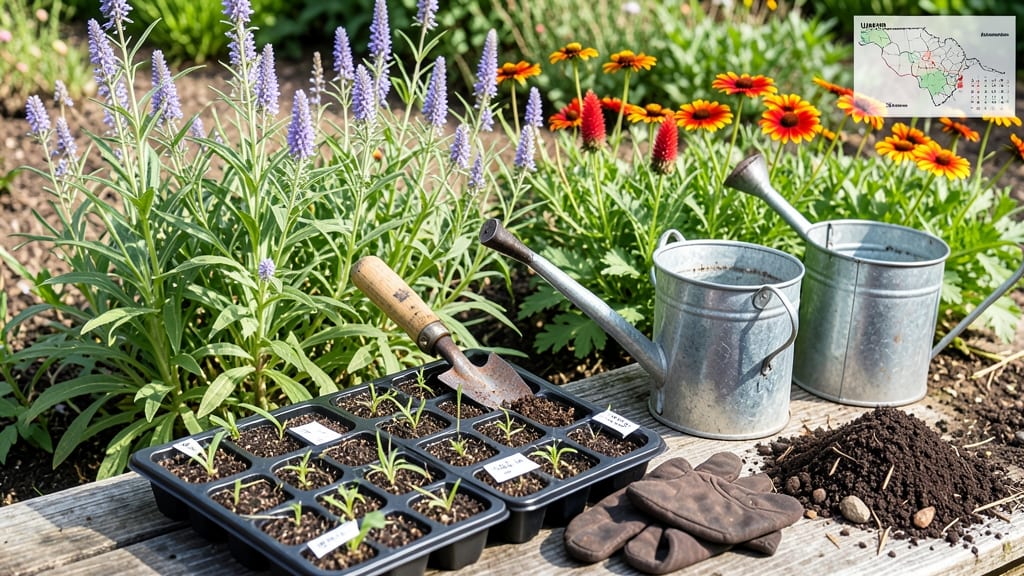
Planting flowers in Utah at the right time means the difference between a garden bursting with 🌸 color and one that struggles to take root.
Utah’s climate is anything but one-size-fits-all—whether you’re in the high desert of St. George or the alpine valleys near Park City, timing matters. Miss the window, and your flowers might bolt before blooming or wilt under unexpected frost.
But get it right, and you’ll enjoy vibrant blooms from spring through fall.
This guide breaks down the best planting windows for Utah’s USDA zones, from March in the north to fall in the south, plus the top flowers that thrive in your region.
We’ll also cover soil prep, watering hacks, and how to pick varieties that beat Utah’s dry heat and temperature swings.
Ready to transform your garden into a year-round showstopper? Let’s dive into the exact dates and tips you need for a flourishing Utah flower bed.
Utah planting zones: when to plant flowers by region
Utah’s USDA planting zones 4-8 create unique challenges for gardeners, with high-altitude valleys like Park City (Zone 5) and low-desert areas like St. George (Zone 8). Understanding these zones helps you plant annuals, perennials, and bulbs at the perfect time for vibrant blooms all season.
Each region has distinct last frost dates and microclimates that affect planting windows.
For northern Utah cities like Salt Lake City (Zone 6), last frost dates typically fall around March 15, while southern Utah areas like St. George (Zone 8) can plant as early as February 15.
These differences mean spring flowers like tulips and daffodils thrive earlier in the south, while fall plantings of mums and asters extend later in cooler northern zones.
Microclimates further complicate timing—urban heat islands in Salt Lake City can delay frost, while mountain slopes near Provo experience earlier freezes. Adjust planting dates by 1-2 weeks based on elevation and proximity to water bodies. For example, Ogden’s Zone 6B may need late-April plantings for heat-sensitive annuals, while Provo’s Zone 5B should wait until mid-May for safety.
| Region | USDA Zone | Last Frost | First Frost | Spring Planting | Fall Planting |
|---|---|---|---|---|---|
| Salt Lake City | 6B | March 15 | October 15 | April 1 - May 15 | August 15 - September 15 |
| Ogden | 6A | March 20 | October 10 | April 15 - May 10 | August 1 - September 10 |
| Provo | 5B | April 5 | October 25 | May 1 - June 1 | August 1 - September 5 |
| St. George | 8A | February 15 | December 1 | February 1 - March 31 | September 1 - October 15 |
In Zone 8 St. George, gardeners can plant cool-season annuals like pansies and snapdragons as early as February, while tender perennials like lavender thrive with fall plantings in September. This extended growing season allows for year-round color with careful variety selection.
For example, blanketflower (Gaillardia), a Utah native, blooms from May to October when planted in full sun and well-draining soil.
For northern Utah’s Zone 5-6, focus on hardy perennials like coneflowers and black-eyed Susans, which establish roots early and rebound from late frosts. Bulbs like tulips should be planted in fall (October) for spring blooms, while spring-planted annuals like zinnias need to wait until after May 1 to avoid frost damage. Mulching with straw can extend the season by 2-3 weeks in cooler zones.
Microclimate adjustments are key—urban areas like Salt Lake City’s downtown experience 5-10°F warmer nights than rural areas, allowing earlier plantings. Conversely, high-elevation gardens in Provo’s foothills may need biodegradable row covers to protect young plants from late-spring frosts. Always check local frost date averages from Utah State University Extension for precise timing.
When planting drought-tolerant flowers like yarrow or Russian sage, soil temperature matters more than air temperature. These plants thrive when soil reaches 60°F, often 2-
Best flowers to plant in Utah by season for year-round color
Utah’s four distinct seasons create the perfect opportunity to enjoy continuous blooms in your garden. By selecting the right flowers for each season, you can transform your landscape into a year-round color show.
The key is understanding which varieties thrive in Utah’s dry climate and variable temperatures, from the cool springs of the Wasatch Front to the hot summers of St. George.
Spring brings tulips and daffodils that pop against the desert backdrop, while summer showcases zinnias and cosmos that flourish in Utah’s intense sunlight. Fall delivers mums and asters with rich hues, and winter-hardy lavender and sedum add structure and fragrance.
Let’s dive into the best flowers to plant each season for a garden that never sleeps.
🌱 Seasonal Planting Guide for Utah Gardens
- Spring (March-May): Plant tulips and daffodils after the last frost (typically mid-March in Salt Lake City). Add Utah native blanketflower for drought resistance.
- Summer (June-August): Sow zinnias and cosmos for vibrant summer color. Choose heat-tolerant varieties like 'Benary’s Giant' zinnia.
- Fall (September-October): Plant mums and asters in early fall for late-season blooms. Try dwarf garden mums for containers.
- Winter (November-February): Focus on lavender and sedum for structure and fragrance. These thrive in Utah’s cold winters.
🌿 Pro Tip: Mulch after planting to retain moisture in Utah’s dry climate.
For spring blooms, nothing beats the classic tulips and daffodils. These bulbs are easy to grow and tolerate Utah’s cool spring temperatures. Plant them in well-draining soil and full sun for the best results.
Consider adding Utah native blanketflower (Gaillardia aristata) for a drought-tolerant pop of color that thrives in rocky soils.
When summer arrives, zinnias and cosmos take center stage. These sun-loving annuals bloom prolifically in Utah’s hot, dry conditions. Choose heat-tolerant varieties like 'Benary’s Giant' zinnia or 'Bright Lights' cosmos for long-lasting color. Deadhead spent blooms to encourage more flowers and extend the season.
Fall brings mums and asters that add rich hues to your garden. Plant dwarf garden mums in containers or borders for easy maintenance. New England asters are another great choice, offering late-season blooms that attract pollinators. These flowers thrive in cool fall temperatures and add structure to your landscape.
Even in winter, your Utah garden can shine with lavender and sedum. These winter-hardy perennials provide structure, fragrance, and drought resistance. Lavender’s silver foliage and purple blooms add contrast to snowy landscapes, while sedum’s succulent-like leaves retain their color all season long.
To keep your garden thriving, always adjust watering based on Utah’s variable weather. Mulch around plants to retain moisture and protect roots from temperature swings. With the right seasonal selections, your Utah garden will be a year-round masterpiece of color and texture. 🌸