
Flowers
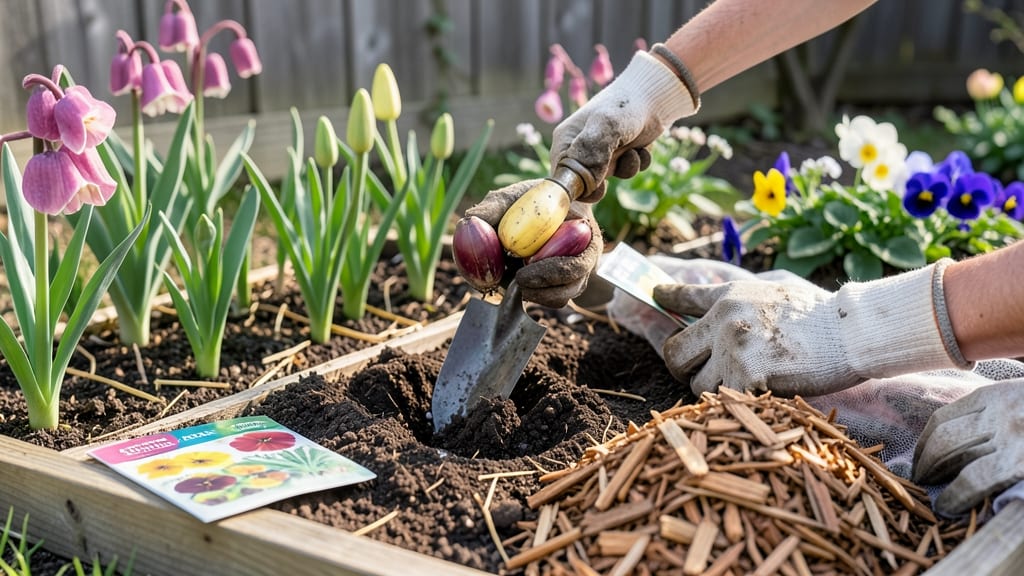
Planting flowers in Zone 5 after the last frost date — usually mid-April — is the key to vibrant blooms all season.
Timing is everything in gardening—plant your flowers too early, and a late frost could wipe them out; too late, and they’ll struggle to bloom before winter. Here’s the exact science-backed schedule to maximize your flowers’ success this season.
Zone 5 gardeners know the stakes: a two-week window can mean the difference between a lush summer display and a sad, stunted garden. Whether you’re planting annuals like marigolds or perennials like coneflowers, knowing when to put them in the ground is half the battle.
Below, I’ll break down the ideal planting months for every type of flower, regional adjustments for northern vs. southern Zone 5, and how to prep your soil for a stronger, healthier garden. Ready to get growing?
Zone 5 frost dates and ideal flower planting months by type
Understanding Zone 5 frost dates is the first step to planting flowers successfully. In this zone, the average last frost date typically falls between April 15-30, while the first frost usually arrives around October 15-30.
However, these dates can shift by 2-4 weeks depending on whether you're in the northern (colder) or southern (warmer) part of Zone 5.
Northern Zone 5 (e.g., Minnesota, Wisconsin) often sees frost lingering into mid-May, while southern areas (e.g., Ohio, Missouri) may warm up by mid-April. This variation means your planting schedule should account for local microclimates—like sheltered garden spots that warm faster.
For annual flowers, the ideal planting window is 2-4 weeks after your last frost date. This gives tender seedlings time to establish roots before summer heat arrives. Perennials, on the other hand, can often handle cooler soil and may be planted 1-2 weeks earlier than annuals.
Bulbs like tulips and daffodils have their own timeline—plant them in fall (October-November) for spring blooms. This gives roots time to grow before winter dormancy. Meanwhile, fall-planted annuals (like pansies and snapdragons) should go in 4-6 weeks before your first frost.
| Flower Type | Best Planting Months | Key Notes | Northern Zone 5 Adjustment |
|---|---|---|---|
| Annuals (Marigolds, Petunias) | May-June (after last frost) | Wait until soil is 60°F+; use row covers if frost threatens | Delay until late May for safety |
| Perennials (Coneflowers, Lavender) | April-May (or fall for some) | Plant when soil is workable; mulch to retain moisture | Start 2 weeks later than southern Zone 5 |
| Spring Bulbs (Tulips, Daffodils) | October-November (fall) | Plant 6 weeks before ground freezes; deeper = more frost protection | Plant earlier (Sept-Oct) to avoid early freezes |
| Fall Annuals (Pansies, Kale) | August-September | Choose cold-hardy varieties; plant 4-6 weeks before frost | Extend to late Sept for longer blooms |
| Heat-Loving Annuals (Geraniums, Salvia) | June-July (after soil warms) | Avoid planting before 65°F soil; use black plastic to warm soil | Wait until July for northern areas |
If you're unsure about your local frost dates, check the USDA Plant Hardiness Zone Map and consult your local cooperative extension service. They provide hyper-local data that can save your flowers from frost damage.
For example, cities like Chicago often see frost until May 10, while St. Louis may be frost-free by April 15.
For container-grown flowers, you have more flexibility—move pots indoors or to sheltered spots during late spring frosts. Just remember, tender annuals (like begonias) won’t tolerate even light frost, while hardy perennials (like black-eyed Susans) can bounce back from 20°F temperatures.
Pro tip: Use frost cloth or row covers to extend your planting season by 2-3 weeks in spring or fall. This is especially useful for southern Zone 5 gardeners who want to plant earlier or northern gardeners who need to push late-season blooms.
Finally, always amend your soil with compost before planting—rich soil helps flowers establish faster and recover quicker from temperature fluctuations. A well-prepared garden bed is your best defense against frost-related setbacks.
With these Zone 5 planting guidelines, you’ll avoid the most common mistakes and enjoy longer, healthier blooms all season long. Happy gardening! 🌸
How to adjust planting for early vs. late Zone 5 springs
Zone 5 spans a wide range of climates—from frigid northern regions where frost lingers into May to milder southern areas where spring arrives by March.
If you’re in a colder microclimate, your last frost might be weeks later than your neighbor’s. This variation means your planting timeline needs flexibility to avoid frost damage or missed blooms.
For gardeners in early-spring Zone 5 (like northern Illinois or upstate New York), patience is key. Wait until mid-May to plant tender annuals like petunias or geraniums. Meanwhile, those in late-spring Zone 5 (like parts of Virginia or Missouri) can start marigolds by early April.
The secret? Adjusting for your local frost date and choosing the right plants for your climate.
Early vs. Late Zone 5 Planting Strategies
Early Zone 5 (Colder Microclimates)
- Pros: Longer growing season
- Cons: Later frost risk
- Solution: Use row covers or plant cold-hardy varieties like pansies or snapdragons
Late Zone 5 (Warmer Microclimates)
- Pros: Earlier planting window
- Cons: Heat stress for some flowers
- Solution: Start heat-tolerant annuals like zinnias or cosmos by March
Soil Warming Tip: Use black plastic mulch or straw bales to warm soil in cold areas by 5-10°F.
Frost Protection: Cover tender plants with frost cloth if temps drop below 28°F.
One of the easiest ways to extend your planting window is by choosing cold-hardy flowers. In early Zone 5, opt for biennials like sweet william or perennials such as bee balm, which tolerate cooler soils.
For late Zone 5, prioritize heat-loving annuals like sunflowers or black-eyed Susans, which thrive in warmer conditions.
Soil temperature matters just as much as air temperature. Use a soil thermometer to check when your soil reaches 50°F—the ideal temperature for most flower seeds to germinate.
If your soil is still chilly, try warming it with compost or a cold frame. This simple trick can shave weeks off your planting timeline.
Don’t forget about fall planting for late bloomers! In Zone 5, you can still sow hardy annuals like calendulas or perennials like asters in early September. These plants establish roots before winter and burst into bloom the following spring, giving you a head start on the season.
Protecting your flowers from late frosts is non-negotiable. Keep frost cloth or row covers on hand—these can raise temperatures by 5-8°F and shield delicate blooms. For extra insurance, plant fast-growing annuals like nasturtiums in staggered rows so you always have fresh blooms as others mature.