
Flowers
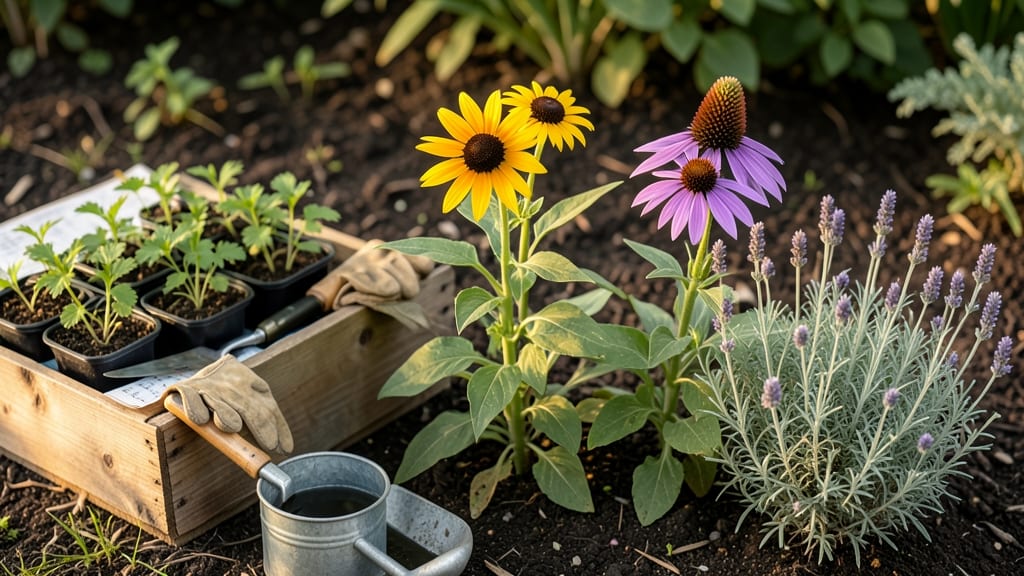
Planting flowers in Zone 6 at the right time means the difference between a garden bursting with color and one that struggles to take root.
Timing your flower planting in Zone 6 can mean the difference between vibrant blooms and wilted disappointment—get it wrong, and you’ll miss peak seasons entirely.
Whether you’re planting annuals for summer splendor or perennials for years of beauty, the calendar is your guide. Spring is the classic window, but fall offers a second chance for bulbs and hardy varieties.
Below, I’ll walk you through the exact months to plant by flower type, how to adjust for early or late frosts, and the top 5 fast-blooming flowers for a summer extension.
Best planting months for annuals, perennials, and bulbs in Zone 6
Timing your flower planting in Zone 6 can mean the difference between vibrant blooms and wilted disappointment—get it wrong, and you’ll miss peak seasons entirely. The USDA Zone 6 spans from late April to mid-October for frost-free growing, but exact timing varies between cool-season and warm-season plants.
For example, pansies thrive in spring while marigolds need summer heat to flourish.
Understanding these differences is key. Zone 6b areas (warmer microclimates) like the Midwest can plant warm-season annuals a week earlier than Zone 6a regions (like Appalachia). Always check your last frost date—typically April 15—and first frost date—around October 15—to plan accordingly.
Here’s a quick breakdown of the best months for each plant type in Zone 6:
Spring is the golden window for most Zone 6 gardeners. Start with cool-season crops like pansies and snapdragons in March, then transition to warm-season annuals like marigolds and cosmos once soil warms to 60°F+ in May.
For bulbs, fall planting is critical—tulips and daffodils need 6–8 weeks to root before winter.
Fall planting offers a second chance for cool-hardy perennials and spring-blooming bulbs. Aim to plant perennials like hostas and coneflowers in September so roots establish before frost. Bulbs like crocus and alliums thrive when planted in October, ensuring vibrant spring displays.
For Zone 6b gardeners in milder areas (e.g., Midwest), you can extend warm-season planting into early June. However, Zone 6a regions (e.g., Appalachia) should wait until mid-May to avoid late frosts damaging tender zinnias or petunias.
Always monitor soil temperature—use a soil thermometer to confirm it’s 60°F+ before planting warm-season favorites.
Bulbs are a special case. Spring-blooming bulbs (like tulips) must be planted in fall, while summer-blooming bulbs (like dahlias) go in spring. Pro tip: Chill bulbs in the fridge for 6–8 weeks before spring planting to mimic winter dormancy.
Mulching is non-negotiable in Zone 6. Apply 2–3 inches of mulch after planting to retain moisture and regulate soil temperature. For fall-planted bulbs, use straw mulch to prevent frost heave, while spring annuals benefit from shredded bark to suppress weeds.
Don’t forget about succession planting! In Zone 6, you can stagger plantings of fast-growing annuals like basil or bush beans every 2–3 weeks from May to July for continuous blooms. This trick works especially well for cosmos and sunflowers, which self-seed happily if given space.
Finally, keep an eye on local microclimates. A south-facing slope warms up faster than a
How to adjust planting times for early vs. late frost risks in Zone 6
Zone 6 gardeners face unique challenges because frost dates can shift dramatically between regions like Appalachia (colder) and the Midwest (milder). A late spring frost in April can devastate tender seedlings, while an early October chill might cut short summer blooms.
The key is flexibility—adjusting your planting timeline based on soil temperature, local frost-free dates, and microclimate factors.
Start by researching your last average frost date (typically mid-April in Zone 6) and first frost date (around October 15). However, these are averages—your actual dates could vary by 2-3 weeks.
For example, if you’re in Appalachia, aim to plant warm-season flowers like marigolds or zinnias only after May 1, while Midwest gardeners might safely start by April 15.
⚠️ callout warning
Even if your last frost date passes, soil temperature is the real indicator. Use a soil thermometer—if it’s below 60°F, wait. Cold soil stunts root growth, making plants vulnerable to rot or fungal diseases. For example, petunias and geraniums won’t thrive until soil warms.
Pro Tip: Cover seedlings with frost cloth if nights dip below 40°F after planting. This buys you 1-2 extra weeks of protection.
For hardy perennials like coneflowers or black-eyed Susans, you can plant as early as March in milder microclimates, but wait until April in colder areas. These plants establish roots slowly, so give them time to acclimate before summer heat arrives.
If you’re unsure, opt for container planting—pots warm up faster and can be moved indoors during unexpected cold snaps.
If spring surprises you with a late frost (after your usual planting window), focus on fast-germinating annuals like cosmos or nasturtiums. These bloom in 30-45 days, giving you color even if planted in June.
Pair them with heat-tolerant perennials like lantana or salvia to extend your season without risking frost damage.
Fall planting is another adjustment zone. In colder microclimates, plant bulbs like tulips in October (6-8 weeks before frost), while milder areas can wait until November. For cool-season annuals like pansies, aim for September planting—they’ll bloom until first frost and often rebound in spring.
Track your garden’s microclimate for a year to refine your timing. Note where frost lingers longest (like low-lying areas) and where heat pools (like south-facing walls). With these adjustments, you’ll turn Zone 6’s frost risks into opportunities for longer bloom seasons and hardier plants.