
Companion Plants
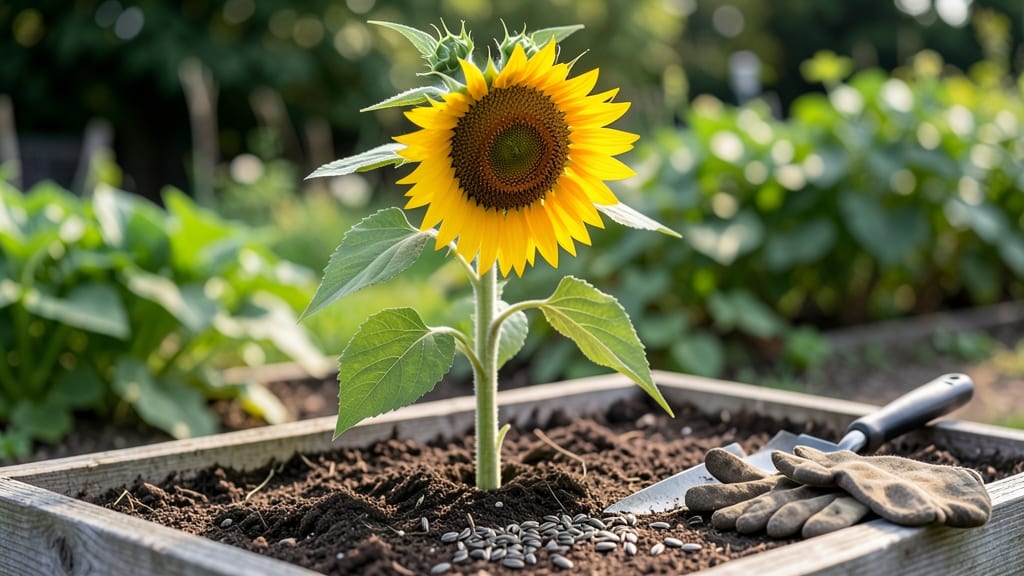
Plant sunflower seeds in Colorado after the last frost date — typically mid-April for lowland areas and early June at higher elevations — to give your 🌻 a strong start.
Sunflowers bring vibrant color and joy to Colorado gardens—but planting them at the wrong time means wilting dreams before they bloom. Timing is everything, especially with Colorado’s dramatic elevation shifts and unpredictable mountain weather.
Whether you’re in the Front Range or the Western Slope, knowing your local frost-free dates is the key to success. Skip the guesswork and plant when soil temperatures hit 50°F, ensuring your sunflowers thrive from seed to towering bloom.
Below, I’ll break down the best planting windows by elevation zone, share tips for indoor starts vs. direct sowing, and help you pick the perfect variety for your Colorado garden.
Colorado sunflower planting calendar by elevation zone (with frost-free date ranges)
Colorado’s dramatic elevation changes mean your sunflower planting window can shift by weeks depending on where you live. Lowland areas like Denver and Colorado Springs (3,000–5,000 ft) enjoy earlier springs, while high-altitude gardens above 7,000 ft face shorter growing seasons.
Getting these dates right ensures your sunflowers 🌻 grow tall and strong instead of struggling against late frosts.
I’ve broken down the best planting windows by elevation, including average last-frost dates and ideal soil temperatures. Whether you’re in the Front Range or Western Slope, these ranges will help you time your sunflower seeds perfectly for a vibrant summer display.
For lowland gardens (3,000–5,000 ft), like those in Denver or Colorado Springs, you can start planting sunflower seeds as early as mid-April, once the soil warms to 50°F.
This gives your sunflowers a 120–150-day growing season, perfect for tall varieties like Russian Giant or Mammoth that can reach 12+ feet.
Mid-elevation areas (5,000–7,000 ft), such as Fort Collins or Boulder, have a shorter window. Aim to plant between May 1 and June 1 to avoid late frosts. Here, dwarf varieties like Teddy Bear or Sunspot thrive, maturing in just 60–70 days and reaching 3–5 feet tall.
At high altitudes above 7,000 ft, like in Leadville or Aspen, your planting window shrinks dramatically. Wait until early June and choose fast-maturing varieties or start seeds indoors 4–6 weeks early. Varieties like Autumn Beauty or ProCut are excellent choices for these conditions.
Pro tip: Use a soil thermometer to confirm your soil is warm enough before planting. Sunflower seeds won’t germinate well in cold soil, so patience is key—especially in higher elevations where nights remain chilly well into summer.
If you’re unsure about your local frost dates, check the National Weather Service or your local Cooperative Extension office for updates. Microclimates can vary even within a few miles, so observe your garden’s patterns over time to refine your planting schedule.
Once you’ve planted, give your sunflowers plenty of sunlight (6+ hours daily) and well-draining soil. With the right timing, you’ll be rewarded with vibrant blooms that brighten up Colorado’s often cloudy summer days.
🌻
How to adjust sunflower planting for Colorado’s unpredictable mountain weather
Colorado’s mountain weather throws curveballs—late frosts, sudden temperature swings, and short growing seasons can turn your sunflower dreams into crispy failures. The key is flexibility. I’ve learned to plant sunflowers with backup plans, like using row covers or choosing fast-maturing varieties for high elevations.
These strategies help me beat Colorado’s unpredictable climate and still enjoy those towering 🌻 blooms.
First, soil temperature is your best friend. Sunflower seeds need soil that’s at least 50°F to germinate. Use a soil thermometer to check—especially in high-altitude zones where cold lingers longer.
If your soil is still chilly, start seeds indoors 2-3 weeks before your last frost date. This gives seedlings a head start before transplanting outdoors.
🌱 Numbered Highlights: Adjusting Sunflower Planting for Colorado’s Mountain Weather
- 1. Wait for soil warmth: Plant only when soil hits 50°F+—use a thermometer in high elevations (7,000+ ft).
- 2. Extend the season: Start seeds indoors 2-3 weeks before last frost or use row covers for seedlings.
- 3. Choose fast varieties: Pick 45-60 day sunflowers like ‘Teddy Bear’ or ‘Moulin Rouge’ for short seasons.
- 4. Protect from late frosts: Cover seedlings with frost cloth if temps drop below 32°F after planting.
- 5. Mulch heavily: Apply 3-4 inches of mulch to retain heat and suppress weeds in dry mountain soils.
For high-altitude gardens (7,000+ ft), time is even tighter. Stick to dwarf or semi-dwarf varieties like ‘Sunspot’ or ‘Autumn Beauty,’ which mature in 45-60 days. These give you a better shot at blooms before the first frost.
If you’re in the Front Range, you’ve got more wiggle room—plant from mid-April to early June—but always have row covers ready for those sneaky late frosts.
Don’t forget mulching. A thick layer of straw or wood chips keeps soil warm and retains moisture, which is critical in Colorado’s dry mountain air. I’ve seen sunflowers wilt when mulch is skipped—especially in south-facing beds where soil dries out fast.
Aim for 3-4 inches of mulch around your plants to mimic the moisture retention of Colorado’s native prairie soils.
If you’re pushing the limits with late-season planting, opt for heat-tolerant varieties like ‘ProCut’ or ‘Russian Giant.’ These handle Colorado’s hot afternoons better than delicate types. And if all else fails, try container growing—you can move pots to sheltered spots or even indoors overnight if frost threatens.
Sunflowers are resilient, but they need a little help from us gardeners to thrive in Colorado’s wild weather.
With these adjustments, you’ll turn Colorado’s unpredictable climate into an advantage. Your sunflowers will soar—not just in height, but in vibrant color and resilience—right through the heart of summer. Happy planting! 🌻