
Plants
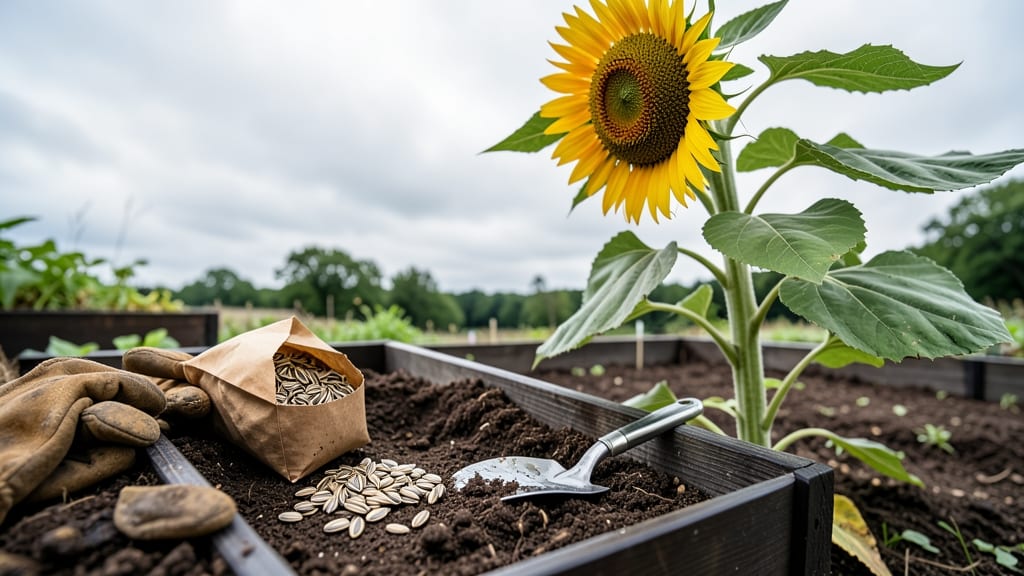
Plant sunflower seeds in Virginia between mid-April and early June for the tallest, most vibrant blooms 🌻 — timing directly impacts their height and resilience.
Sunflowers in Virginia can reach towering heights—some even surpassing 12 feet—but timing your planting is the secret to unlocking their full potential.
Whether you're aiming for vibrant summer blooms or winter bird feed, knowing the exact USDA zone-specific windows can mean the difference between a thriving garden and a failed experiment.
In cooler zones like USDA 5a-6a, wait until after the last frost (usually late April) to avoid stunted growth, while warmer regions like USDA 7a-8a can start as early as mid-March. Direct-sowing too soon risks frost damage, while planting too late cuts bloom time short.
Below, I break down the best planting windows by zone, soil prep tips for Virginia’s clay-heavy soil, and how to adjust for giant varieties or early harvests. Let’s get those seeds in the ground at the perfect moment!
Virginia’s USDA zones & the best months to plant sunflower seeds for maximum height
Virginia’s USDA zones 5a through 8a create diverse planting windows for sunflowers, but timing directly impacts their height and bloom potential.
In cooler zones like 5a-6a, early spring sowing (March-April) gives plants a longer growing season to reach towering heights, while late summer sowing (July-August) works best in warmer zones 7a-8a. The key?
Avoiding late spring frosts that can stunt growth and ensuring soil temperatures stay above 55°F (13°C) for germination.
Sunflowers thrive on warm soil and sunlight, so direct sowing after the last frost date is ideal for most varieties. However, giant varieties like 'Russian Giant' benefit from a 6-8 week indoor head start in cooler zones.
For maximum height, aim to transplant outdoors when nighttime temperatures consistently stay above 60°F (16°C). This timing ensures robust stem development before the first fall frost arrives.
Here’s how Virginia’s microclimates affect planting: Coastal areas (zone 7b-8a) can start seeds as early as February-March, while mountain regions (zone 5a-6a) should wait until late April-May.
The Piedmont region falls in between, with April-May being the sweet spot. Understanding these nuances helps you avoid common pitfalls like frost damage or stunted growth.
| USDA Zone | Best Planting Window | Soil Temp Requirement | Germination Time | Height Potential |
|---|---|---|---|---|
| 5a-6a | April 15 - May 15 | 55°F+ (13°C+) | 7-14 days | 8-12 ft (with long season) |
| 6b-7a | March 30 - May 10 | 55°F+ (13°C+) | 5-10 days | 9-12 ft |
| 7b-8a | February 20 - April 30 | 60°F+ (16°C+) | 4-7 days | 10-14 ft |
| Late Summer Option (All Zones) | July 15 - August 15 | 65°F+ (18°C+) | 5-10 days | 5-8 ft (shorter season) |
For tallest sunflowers, focus on spring planting in all zones. In zones 5a-6a, start seeds indoors 4-6 weeks before the last frost to give them a head start. Transplant outdoors when soil is warm and frost-free, typically by mid-May.
In warmer zones 7b-8a, you can direct sow as early as late February if you use row covers to protect young seedlings from unexpected cold snaps.
Late summer planting (July-August) is a great option for shorter varieties or if you missed the spring window. While these sunflowers won’t reach the same heights, they’ll still provide vibrant blooms and birdseed before winter.
Choose dwarf varieties like 'Teddy Bear' for this timing, as they mature faster and tolerate cooler fall temperatures better than giant varieties.
One critical factor across all zones is frost risk. Sunflowers are frost-sensitive, so avoid planting too early. In zones 5a-6a, late spring frosts can occur until mid-May, while zones 7b-8a typically see their last frost by mid-March.
Use a frost date calculator for your specific location to pinpoint the safest planting window.
Germination timelines vary by zone and soil temperature. In cooler zones 5a-6a, expect 7-14 days for seeds to sprout, while warmer zones 7b-8a see germination in just 4-7 days.
To speed up the process, soak seeds overnight before planting or use a seedling heat mat if starting indoors. Keep soil consistently moist but not waterlogged during germination to avoid rot.
Pro tip: Direct sowing is best for sunflowers, as they hate transplant shock. However, if you’re growing giant varieties, starting seeds indoors in
How to adjust planting dates for sunflower varieties in Virginia’s climate
Virginia’s diverse climate—from the coastal plains to the mountainous west—means sunflower planting dates should shift based on your USDA zone and microclimate. Giant varieties like 'Russian Giant' need longer growing seasons, while dwarf types thrive with shorter timelines.
Let’s break down how to customize your planting schedule for maximum success.
First, understand that Virginia’s frost dates vary wildly: Coastal areas (Zone 7b-8a) see last frosts around March 15, while mountain regions (Zone 5b-6a) can wait until April 30.
This means your direct sowing window shifts by 6+ weeks depending on location. For heat-sensitive giants, this timing is critical to avoid stunted growth.
🌻
- 1 Coastal Virginia (Zones 7b-8a): Plant 'Russian Giant' seeds March 20–April 15 for summer blooms. Dwarf varieties like 'Teddy Bear' can go until May 1 without heat stress.
- 2 Piedmont Region (Zones 6b-7a): Wait until April 15–May 1 for giants to avoid frost. Birdseed varieties (e.g., 'Autumn Beauty') can handle late starts—sow until June 1 for fall color.
- 3 Mountain Zones (5b-6a): Delay until May 1–June 1 for tall varieties. Heat tolerance becomes key—choose 'Moulin Rouge' (dwarf) for shorter seasons or use black plastic mulch to warm soil.
- 4 Soil Prep Adjustments: Amend clay-heavy soils (common in Piedmont) with compost 2 weeks before planting. In mountains, add sand to improve drainage for giant varieties.
- 5 Extend Late Blooms: For fall interest, sow birdseed types July 15–August 1 in coastal areas. Use row covers in mountains to protect seedlings from early frosts (target September 15 last planting).
Heat tolerance is another game-changer. Giant sunflowers wilt in 90°F+ temps, so in Virginia’s Piedmont, I’ve had success with drip irrigation and shade cloth during July-August. For coastal gardens, prioritize morning watering to prevent fungal issues like powdery mildew, which thrives in Virginia’s humid summers.
Don’t overlook soil temperature—sunflower seeds need 60°F+ soil to germinate. Use a soil thermometer in cooler zones (like the mountains) to confirm readiness. If soil is cold, opt for dwarf varieties or start seeds indoors 4–6 weeks before your target outdoor date.
For late-season blooms, try succession planting: Sow a second batch of dwarf sunflowers July 1–July 15 in coastal Virginia. This ensures continuous color into October, when birds flock for seeds. Just remember—shorter daylight hours in fall can delay maturation, so choose fast-growing varieties like 'ProCut'.
🌿