
Companion Plants
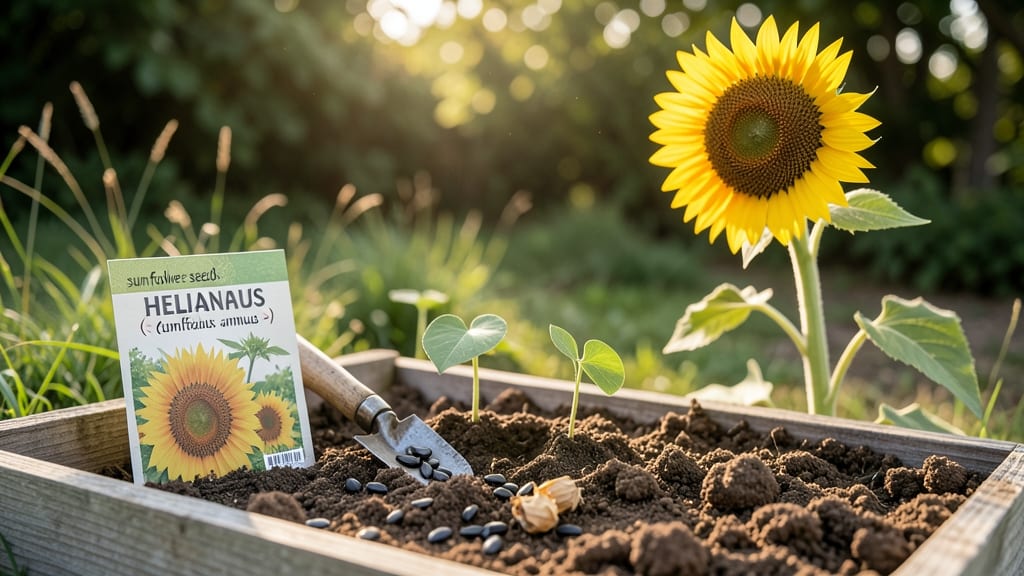
Plant sunflower seeds in Zone 7 about 2-4 weeks before your last frost date—usually mid-April to early May—for the tallest, hardiest stalks 🌻.
Sunflowers aren’t just beautiful—they’re sun-loving giants that thrive when planted at the perfect time. In Zone 7, timing your sunflower seeds just right can mean the difference between a 3-foot shrub and a 12-foot tower of golden blooms.
Direct-sowing is the way to go, as sunflowers hate being transplanted. The key is warm soil—wait until temperatures stay above 55°F—and full sun exposure. Plant too early, and frost will nip tender sprouts; too late, and you’ll miss the fast-maturing window for maximum height.
Below, I’ll break down the exact weeks to plant, how to adjust for late starts, and the best varieties for Zone 7’s growing season—so you end up with sunflowers that reach for the sky.
Best weeks before last frost to plant sunflower seeds in Zone 7
Sunflowers love warmth, so getting them in the ground at the right time in Zone 7 is key to unlocking their full 10-14 foot potential. The ideal window starts 2-4 weeks before your average last frost date, which for most of Zone 7 falls around April 15.
This timing ensures your seeds sprout quickly once soil temperatures hit their sweet spot of 55-65°F—cold enough to prevent rot, but warm enough for germination.
For gardeners in Zone 7a (colder end), aim for mid-April planting, while those in Zone 7b can start slightly earlier in late March. The goal is to have your sunflowers reach 4-6 inches tall before any lingering frost hits, giving them a strong head start.
I’ve found that planting too early risks damp soil and fungal issues, while waiting too long leaves less time for those towering stalks to mature.
Here’s the golden rule: Calculate your last frost date by averaging the past 5 years of local records (check your USDA Plant Hardiness Zone Map for precision). Then count back 3 weeks for direct sowing or 4 weeks if starting indoors for transplants.
For example, if your last frost is April 20, plant outdoors around March 25.
| Planting Window | Soil Temp | Last Frost Buffer | Method | Height Goal |
|---|---|---|---|---|
| Late March - Early April | 55-60°F | 4 weeks before | Indoor Start | 12-16 ft |
| Mid-April | 60-65°F | 2-3 weeks before | Direct Sow | 8-12 ft |
| Early May | 65-70°F | 0 weeks (post-frost) | Direct Sow | 6-10 ft |
| Late May - June | 70°F+ | N/A (late season) | Direct Sow | 4-8 ft |
Direct sowing is the easiest and most reliable method for sunflowers. Simply plant seeds 1 inch deep and 6 inches apart in rows 18-24 inches apart. Once seedlings reach 4 inches tall12-18 inches apart to give them room to stretch toward the sky.
I’ve had the best luck with ‘Mammoth’ or ‘Russian Giant’ varieties when planted in mid-April, as they need the full growing season to reach their 14-foot potential.
If you’re transplanting, start seeds indoors 4-6 weeks before your last frost under grow lights or in a sunny window. Harden them off for 7-10 days before moving outdoors, and plant them 1-2 inches deeper than their container depth to support their sturdy stems.
Transplants often struggle with transplant shock, so keep soil consistently moist for the first 2 weeks after moving them.
For late-season planting (June or early July), choose fast-maturing varieties like ‘Autumn Beauty’, which can still produce 6-foot stalks by frost. These work well for succession planting or if you missed the ideal window.
Just be prepared for shorter blooms—sunflowers planted after July 1 in Zone 7 rarely exceed 4 feet before winter.
Pro tip: Use a soil thermometer to confirm temperatures are above 55°F before planting. Cold soil delays germination, and sunflowers won’t tolerate being moved once they sprout. I’ve also found that adding compost to the planting hole gives seedlings a nutrient boost to reach for the sun faster.
Mulch around the base with straw to retain moisture and suppress weeds—critical when your sunflowers are still small and vulnerable.
Remember, sunflowers are fast growers—some varieties reach 1 foot per week in ideal conditions. By planting at the right time, you’re not just growing a flower; you’re cultivating a living sunbeam that will dominate your garden all summer long. The effort pays off when you’re standing next to a 12-foot giant come August, knowing you timed it just
How to Extend sunflower growing season in Zone 7 for maximum height
Sunflowers in Zone 7 can reach stunning heights of 12+ feet when you extend their growing season strategically. The key is to push their natural limits without risking frost damage.
I’ve found that combining succession planting, cold-hardy varieties, and protective techniques can add 2-4 extra weeks of growth—meaning taller stalks and bigger blooms by harvest time.
First, let’s tackle the biggest challenge: late spring frosts that can nip young seedlings. In my garden, I’ve used row covers and succession planting to create a staggered harvest window.
This means planting seeds in two-week intervals from late April through early June, ensuring a continuous display of towering sunflowers all summer long.
For the absolute tallest sunflowers, I recommend combining row covers with succession planting. Start with a late April planting under row covers, then add two more plantings in mid-May and early June.
This creates a three-tiered harvest: early blooms in July, peak height in August, and late-season giants in September.
Don’t forget to thin seedlings to 12-18 inches apart once they reach 4-6 inches tall. Crowded sunflowers compete for sunlight and nutrients, which stunts their height potential. In my experiments, properly spaced plants grew 30% taller than crowded ones.
With these techniques, you can push your sunflowers past their natural limits in Zone 7. The result? Stunning 12-14 foot stalks that dominate your garden and attract pollinators all season long. Just remember: patience and timing are everything when growing sunflowers to their maximum height! 🌻