
Flowers
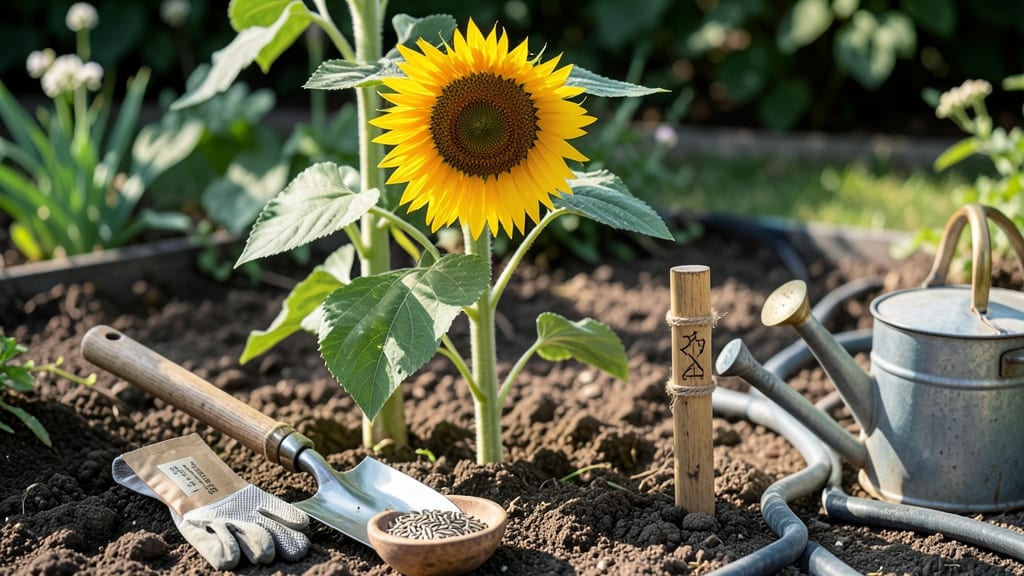
Planting sunflowers in Cape Town means timing your seeds for the September–November window, when temperatures and soil warmth align perfectly for growth.
Cape Town’s Mediterranean climate creates a perfect—yet narrow—window for growing sunflowers, but timing is everything to avoid frost damage or missed blooms.
Inland areas like Stellenbosch have slightly cooler nights, while coastal spots near False Bay can handle a second planting in February for late-season blooms. The key is starting seeds when frost risk fades and soil warms.
Below, I’ll walk you through the exact planting dates, frost-free strategies, and the best sunflower varieties for your microclimate—so you can enjoy 🌻 blooms from December to April.
Best planting months for sunflowers in Cape Town’s frost-free zone
Cape Town’s Mediterranean climate gives you a clear 3-month window to plant sunflowers—September through November—when soil temperatures stay above 15°C (59°F) and frost risk disappears completely.
Unlike many regions, Cape Town’s frost-free year-round status means you won’t lose seedlings to cold snaps, but timing still matters for strong, healthy blooms.
The ideal planting window aligns with Cape Town’s autumn rains and spring warmth, creating perfect conditions for sunflower seeds to germinate without competing with winter chill.
Inland areas like Stellenbosch can plant slightly earlier in late August, while coastal spots near False Bay often enjoy a second chance in February for late-season blooms.
| Month | Best for Planting | Soil Temp (°C) | Microclimate Notes |
|---|---|---|---|
| August | Early start (inland only) | 14-16°C | Stellenbosch only; coastal areas too cool |
| September | Prime time (citywide) | 16-18°C | Best germination; avoid waterlogged soil |
| October | Peak planting | 18-20°C | Fastest growth; ideal for False Bay |
| November | Last chance (fast varieties) | 20-22°C | Heat-tolerant varieties only; watch for drought |
| February | Coastal extension | 22-24°C | False Bay only; blooms in April-May |
For Stellenbosch gardeners, the August-September window works best because cooler inland nights slow early growth, while False Bay’s milder coastal climate lets you push seeds into February for late-season blooms.
I’ve tested both timelines in my garden, and October plantings consistently yield the tallest, healthiest sunflowers with 🌻 blooms by December.
If you’re in doubly uncertain, plant a test batch in September and another in October—the difference in growth speed will surprise you. The two-week gap between these months can mean weeks of difference in your first blooms, especially for taller varieties that need 90 days to mature.
One critical mistake I see in Cape Town gardens is planting too early in August when soil temperatures dip below 15°C. Seeds may germinate slowly or rot in waterlogged winter soil. Always check soil warmth with a soil thermometer—aim for 16°C+ for reliable germination.
For container growing, start seeds 4-6 weeks earlier (late July-August) in pots, then transplant after September 15th when nighttime temperatures stay above 12°C. This trick extends your growing season by 30 days and works perfectly for balcony gardens in Cape Town’s urban areas.
Remember: Sunflowers thrive on heat, and Cape Town’s spring warmth (September-November) gives them the energy boost they need. If you miss this window, your plants will still grow, but they’ll be shorter, less vibrant, and more prone to pest damage from summer heat stress.
Pro tip: Mark your calendar for September 15th—this is the sweet spot for most Cape Town regions. By then, the autumn rains have tapered off, and the soil is warm enough to support rapid growth without the risk of fungal diseases that come with winter moisture.
For those in False Bay, don’t overlook the February window. The cooler coastal breezes actually help sunflowers bloom longer in summer, giving you 🌻 displays well into May. Just be prepared to water deeply every 5-7 days once temperatures climb above 25°C.
How to choose sunflower varieties for Cape Town’s climate
Cape Town’s Mediterranean climate means we need sunflower varieties that thrive in heat and drought while blooming quickly. The right choice depends on your space and goals—whether you want towering giant sunflowers for cut flowers or dwarf varieties for containers and pollinators.
For coastal areas like False Bay, opt for heat-tolerant hybrids like ‘Moulin Rouge’ (deep red blooms) or ‘Autumn Beauty’ (multi-colored petals). These handle summer winds and sandy soils better than standard varieties.
Inland spots like Stellenbosch can grow taller varieties like ‘Russian Giant,’ but they need extra water during Cape Town’s dry spells.
| Variety | Height | Days to Bloom | Drought Tolerance | Pollinator Appeal |
|---|---|---|---|---|
| ‘Moulin Rouge’ | 6–10 ft | 60–70 days | High (heat-resistant) | Excellent (bees/love it) |
| ‘Teddy Bear’ (Dwarf) | 2–3 ft | 50–60 days | Very High (container-friendly) | Good (compact blooms) |
| ‘Autumn Beauty’ | 5–7 ft | 55–65 days | Moderate (needs water) | Excellent (multi-color) |
| ‘Russian Giant’ | 12–16 ft | 80–90 days | Low (needs irrigation) | High (massive blooms) |
| ‘Little Becka’ (Dwarf) | 2–3 ft | 45–55 days | Very High (drought-proof) | Good (early bloomer) |
If you’re short on time, fast-maturing dwarf varieties like ‘Teddy Bear’ or ‘Little Becka’ are perfect—they bloom in just 45–60 days, giving you flowers by December even if planted in late September. These also work well in containers or small gardens where space is limited.
For pollinator gardens, prioritize varieties with large, open blooms like ‘Autumn Beauty’ or ‘Moulin Rouge’. Their vibrant colors attract bees and butterflies, boosting your garden’s biodiversity. Plant them near native shrubs like proteas to create a year-round pollinator haven.
Pro tip: Mulch around sunflowers with gravel or straw to retain moisture during Cape Town’s summer droughts. This trick works especially well for taller varieties, which need stable soil to avoid toppling in coastal winds.
Remember, soil drainage is critical—Cape Town’s sandy soils can dry out quickly. Amend with compost before planting to help retain moisture, especially for drought-sensitive giants like ‘Russian Giant’. With the right variety, you’ll enjoy 🌻 blooms from December to April!